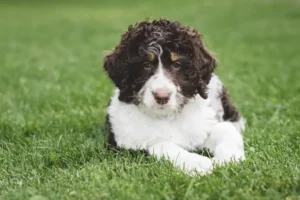
Full Grown Mini Aussiedoodle Guide: Accurate Height, Weight & Size
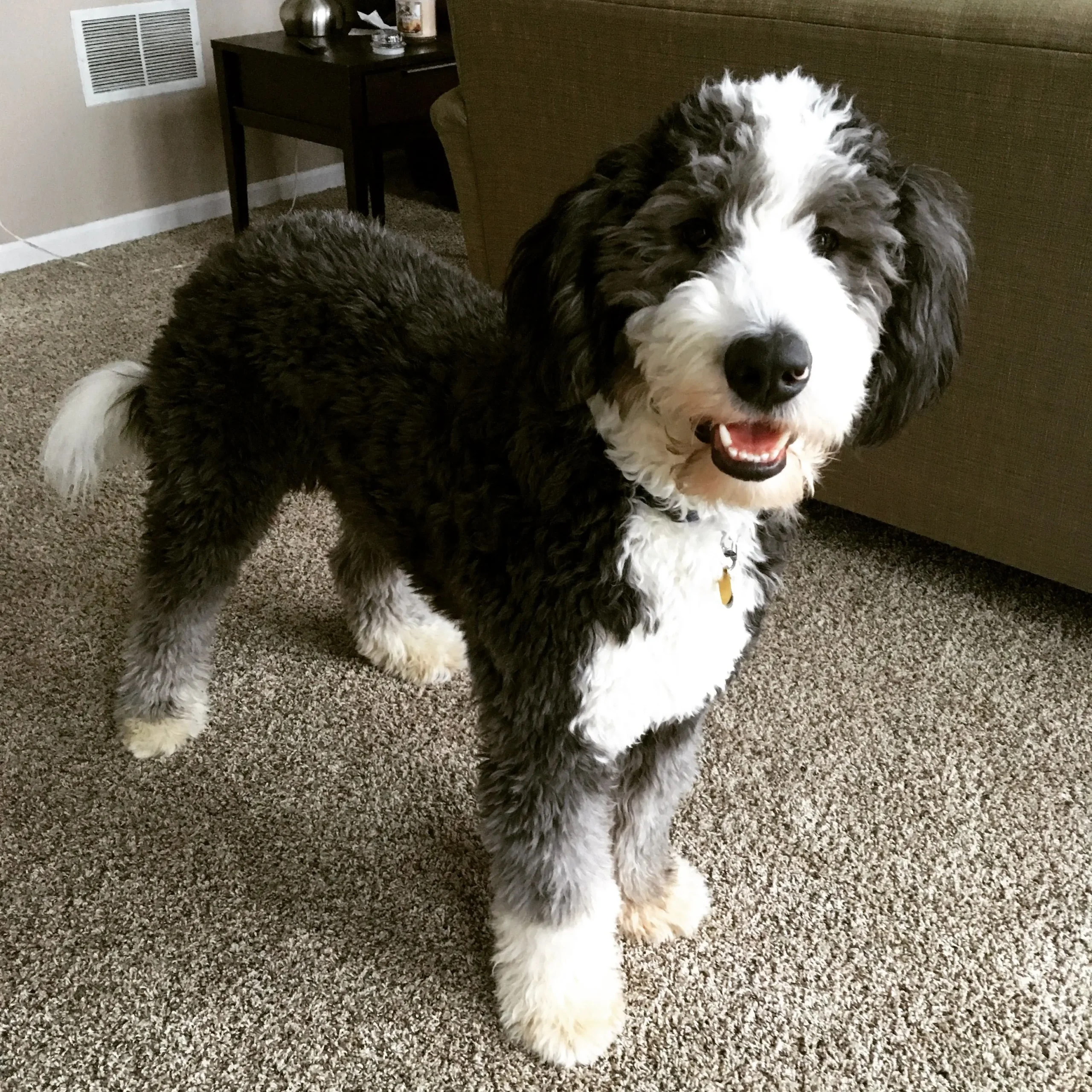
A full-grown Mini Aussiedoodle typically weighs between 15 and 35 pounds and stands about 12 to 18 inches tall at the shoulder, though size can vary depending on the genetics of the Miniature Australian Shepherd and Miniature Poodle parents. In some cases, if one parent is larger, they may reach closer to 40 pounds which is why reviewing the parents’ size is the most reliable way to predict adult growth.
Most Mini Aussiedoodles reach their full height by 10–12 months, but they may continue filling out and developing muscle until around 14–16 months. Proper nutrition, regular exercise, and responsible breeding all play an important role in achieving a healthy adult size.
Petsay
Size
12 to 18 Inches
Weight
20 to 40 pounds
9 to 18 kg
Lifespan
10 to 14 years
Did You Know? Aussiedoodles Come in 3 Adorable Sizes!
Smart, low-shedding, family-friendly companion dog
Health Condition
Aussiedoodles are healthy but need vet care, good food, and exercise.
DATE OF ORIGIN
They originated in the U.S. in the late 1990s.
Official Name
Aussiedoodle
Lifespan
10 to 14 years
Good with
Children, Dogs, Families, seniors other Animals
Grooming Needs
Require regular grooming to keep their coat healthy and mat-free
Intelligence
High
Shedding
Seasonal
BREED TYPE
Designer / Hybrid CrossBreed
Unique Eyes
Mini Aussiedoodles can have two-colored eyes or even multi-colored in one!
Parent Breeds
Poodle crossed with a Mini Australian Shepherd
TRAINING
Socialize Well, Have Fun, Basic Commands
Did You Know? The Australian Shepherds Isn’t Actually from Australia!
mini aussiedoodle
Parent breeds
of
Miniature Aussiedoodle
A delightful combination of the Australian Shepherd’s affectionate nature and the Poodle’s elegant charm, creating a truly lovable companion.
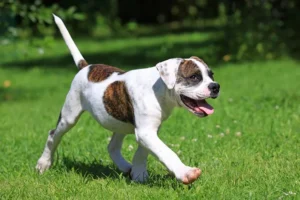
Poodle
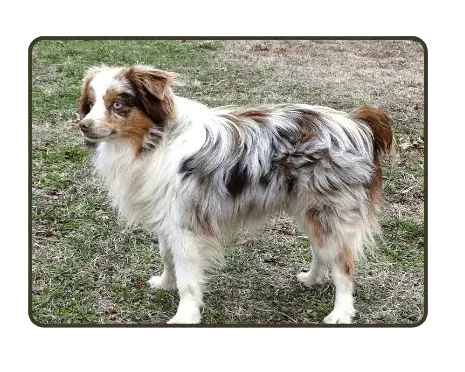
Australian Shepherd
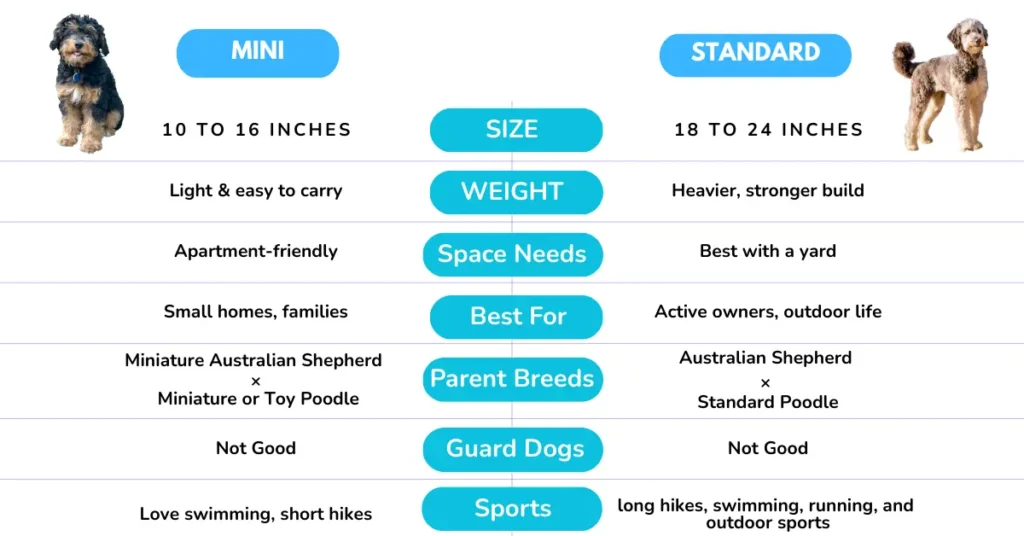
Mini vs Standard Aussiedoodle
What are common health issues in full-grown Mini Aussiedoodles?
Hip Dysplasia
It’s when the hip joint doesn’t fit right, making it hurt to walk or run. Mini Aussiedoodles can get it from their parents. Staying fit and visiting the vet helps keep it under control.
Ear Infections
Mini Aussiedoodles have floppy ears that can trap moisture and dirt. If their ears aren’t cleaned and dried after baths or swimming, they can get ear infections. Regular ear care helps keep them healthy and happy.
Dental Issues
Mini Aussiedoodles can get dirty teeth and sore gums if you don’t brush them. Cleaning their teeth often keeps their mouth healthy and their smile bright.
Patellar Luxation
This happens when the kneecap slips out of place. It’s common in small dogs like Mini Aussiedoodles and can make it hard for them to walk or run properly.
Quick Overview
Adaptability
suitable for apartments or houses & active families
A journey of love and intelligence through generations of exceptional breeds.
The Mini Aussiedoodle is a hybrid breed that comes from the Miniature Poodle and Miniature Australian Shepherd. It was first bred in North America as part of a growing trend of doodle breeds like Labradoodles and Goldendoodles. People wanted dogs that were intelligent, hypoallergenic, and had fewer health problems than purebreds. This mix quickly became popular because it combined the loyalty and herding instincts of the Australian Shepherd with the intelligence and low-shedding coat of the Poodle.
The Miniature Poodle has been around for over 500 years, originally bred as a smaller version of the Standard Poodle. The Miniature Australian Shepherd was developed in the 1960s from the smallest Australian Shepherds. By the 1990s, breeders began mixing these two breeds to create a smart, friendly, and energetic companion. The Mini Aussiedoodle quickly became one of the most popular designer breeds, loved for its charming personality and adaptability.
Micro Mini Aussiedoodles
Some breeders specialize in producing even smaller Aussiedoodles, known as Micro Mini Aussiedoodles. These dogs are typically under 15 pounds and may be as small as 10 inches tall. However, it’s important to note that “micro” is not a standardized size classification and may vary among breeders.
How often does a full-grown Mini Aussiedoodle need grooming?
A full-grown Mini Aussiedoodle needs grooming every 4 to 6 weeks to keep their coat healthy and clean. Brush their fur 2 to 3 times a week to stop tangles and keep it neat. Bathe them every 2 to 3 months or when they get dirty, using a gentle dog shampoo. Trim their coat regularly to keep it manageable, and check their ears weekly to avoid infections. Clip their nails every 3 to 4 weeks, and brush their teeth 2 to 3 times a week to keep them healthy and happy.
final thoughts
Mini Aussiedoodles make wonderful companions for families and individuals seeking a playful, intelligent, and affectionate dog. Their smaller size, low-shedding coats, and friendly personalities suit them in various situations. To ensure your Mini Aussiedoodle lives a long and healthy life, remember to provide them with proper care, including regular exercise, a balanced diet, grooming, and veterinary checkups. Following these guidelines, you can enjoy a fulfilling and rewarding relationship with your furry friend.