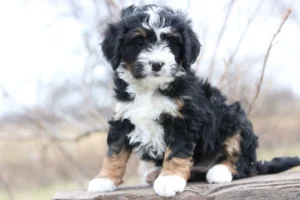
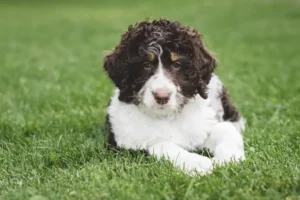
A Mini Aussiedoodle can have one of the cutest coats around. The hair may look soft and wavy. Some dogs have loose curls. Others grow a thick coat that looks more like a Poodle.
That beautiful hair needs regular care.
A Mini Aussiedoodle coat can collect loose hair and dirt close to the skin. Small knots may form behind the ears or under the legs. Those knots can grow into tight mats when the owner misses them for several days.
Home grooming does not mean giving your dog a perfect salon haircut. The main goal is to keep the coat clean and comfortable. You also need to care for the nails and paws and ears.
A simple routine can prevent many problems. Brush before the coat becomes tangled. Bathe the dog when it becomes dirty. Dry the hair fully. Check the nails and ears each week.
Some owners feel nervous the first time. That is normal. Start slowly. Let your dog smell each tool. Reward calm behavior with small treats.
Never rush through a painful knot. Never force a scared dog to stay still for a long session.
A professional groomer is still useful. Home care keeps the coat healthy between professional appointments. It also makes salon visits easier because the groomer does not need to remove weeks of painful matting.
The table below shows the basic tools and what each one does.
| Grooming Tool | Main Use | Important Tip |
| Slicker brush | Removes loose hair and small tangles | Use light pressure |
| Metal comb | Checks the coat close to the skin | The comb should pass through easily |
| Pin brush | Smooths longer or looser hair | Best after tangles are removed |
| Dog shampoo | Cleans dirt and body oils | Never use harsh human shampoo |
| Dog conditioner | Adds slip and helps reduce tangles | Rinse the coat very well |
| Absorbent towels | Remove extra water after bathing | Press instead of rubbing hard |
| Pet dryer | Dries the coat more fully | Use low heat and gentle airflow |
| Nail clippers | Shorten overgrown nails | Trim small pieces at a time |
| Nail grinder | Smooths sharp nail edges | Introduce the sound slowly |
| Dog ear cleaner | Loosens visible wax and dirt | Use only a veterinarian-approved product |
| Cotton pads | Wipe the outer ear | Never push them deep into the ear canal |
| Non-slip mat | Helps the dog stand safely | Use it in the bath and grooming area |
The right tools make grooming safer and faster. You do not need a large box full of expensive products. A few useful items can handle most home care.
A slicker brush has many thin metal pins. It can lift loose hair and separate small tangles.
Choose a brush that matches your dog’s size and coat depth. A very short brush may only move over the top of a thick coat. A brush with longer pins can reach deeper hair.
Do not press hard. The pins may scratch the skin when you use too much force.
Test the brush on your own arm first. You should feel the pins without feeling a sharp scrape.
Brush in the direction that the hair grows. Use slow strokes. Stop when your dog becomes uncomfortable.
A metal grooming comb is one of the most important tools for a Mini Aussiedoodle.
The brush can make the outer coat look smooth while knots remain close to the skin. The comb finds those hidden areas.
After brushing one section place the comb near the hair ends. Move it slowly toward the skin.
The comb should pass through without getting stuck.
When it stops you have found a tangle. Go back to the slicker brush and work on a smaller section.
Use shampoo made for dogs. A dog’s skin is different from human skin. Strong human products may cause dryness or irritation.
A dog conditioner can make a curly or wavy coat easier to comb. Choose one made for pets.
You also need several towels and a non-slip bath mat.
A pet dryer can help with thick coats. A normal human hair dryer may become too hot. When you use one keep it on a cool or low setting and hold it away from the skin.
You can use dog nail clippers or a nail grinder.
Clippers work quickly. A grinder removes smaller amounts and can smooth rough edges.
Some dogs dislike the grinder sound. Introduce it while the machine is turned off. Let the dog smell it. Turn it on at a distance and give a treat.
Brushing is the most important part of Mini Aussiedoodle home grooming. It removes dirt and loose hair. It also stops small knots from becoming thick mats.
A curly coat may need attention almost every day. A shorter wavy coat may stay comfortable with several complete sessions each week.
The real schedule depends on the coat. Check it with your fingers and comb rather than following one fixed rule.
Choose a quiet room with good light.
Place your dog on a non-slip surface. A rubber mat can help the feet stay steady.
Keep treats nearby. Start after your dog has used the bathroom and had a little exercise. A dog with extra energy may struggle to stand calmly.
Do not begin with a full-body session when your puppy is new to brushing. Work for one or two minutes. End while the puppy still feels relaxed.
Line brushing helps you reach the coat near the skin. It works well on thick wavy and curly hair.
Follow these steps:
Do not brush one large area quickly. That may only smooth the top.
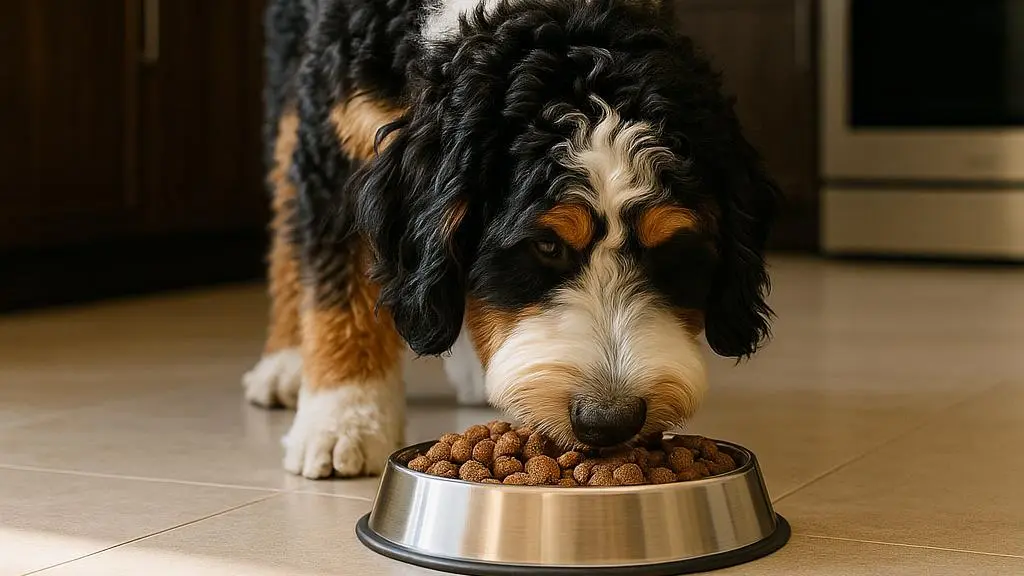
Mini Aussiedoodle mats often form where the coat rubs or stays moist.
Check behind the ears. Feel under the collar and harness. Look inside the front legs and around the back legs.
The chest and belly also need attention. Check the tail base and the hair between the paw pads.
A small knot feels like a firm lump inside the hair. Work on it before it gets tighter.
Hold the hair close to the skin. This reduces pulling. Brush from the outer edge of the knot rather than dragging through the middle.
Use a little dog detangling spray when needed.
Stop when the dog shows pain. A tight mat may need help from a professional groomer.
Mini Aussiedoodles do not need a bath every few days. Bathe your dog when the coat becomes dirty or begins to smell.
Active dogs may need baths more often. A dog that stays mostly indoors may need fewer.
The condition of the skin also matters. Ask a veterinarian about bathing when your dog has allergies or ongoing itching.
Never place a badly tangled Mini Aussiedoodle straight into the bath.
Water can make knots tighter. Shampoo may also become trapped inside a dense mat.
Complete a careful brush and comb check first.
Remove leaves and grass and dry mud. Check the skin for redness or cuts. Look between the toes for small objects.
When you find a large tight mat contact a groomer. Do not hide it under water and hope it becomes softer.
Place a non-slip mat inside the bathtub or sink. Gather shampoo and conditioner and towels.
Use lukewarm water. Hot water can make the dog uncomfortable. Cold water may make the dog frightened of future baths.
Keep the water pressure gentle.
Wet the body slowly. Avoid spraying water directly into the eyes or ears.
Mix concentrated shampoo according to the product directions. Spread it through the coat with your fingers. Work in the direction of hair growth.
Do not twist the hair into circles. That movement may create tangles.
Wash the feet and belly and rear area carefully. Keep soap away from the eyes and mouth.
Rinsing takes longer than many owners expect.
A thick coat may hold shampoo close to the skin. Leftover product can cause itching and flakes.
Part the hair with your fingers while rinsing. Continue until the water runs clear and the coat no longer feels slippery.
Apply conditioner when the product instructions allow it. Conditioner may add softness and make brushing easier.
Rinse again.
Press towels against the coat to remove water.
Do not rub the hair hard in every direction. Rough towel rubbing may twist the coat and create knots.
A pet dryer can separate the hair and help you see the skin. Use gentle airflow and low heat.
Keep the dryer moving. Never hold hot air in one place.
Brush small sections while drying when your dog accepts it. Make sure the ears and armpits and belly become fully dry.
A damp undercoat can smell bad and may irritate the skin.
Nail and ear care are part of a complete grooming routine. These jobs need patience because a sudden mistake can make the dog afraid.
Mini Aussiedoodle nails may wear down during walks. That does not always keep every nail short.
Check the front and back feet. Do not forget the dewclaws when your dog has them. Long nails may touch the floor while the dog stands. You may hear loud clicking on hard surfaces.
The quick is the sensitive area inside the nail. It contains blood vessels and nerves. Cutting into it causes pain and bleeding. Light-colored nails may let you see the pink quick. It is harder to see inside dark nails.
Trim a tiny amount at a time. Stop before reaching the centre of the nail. Keep styptic powder nearby in case bleeding starts. Apply gentle pressure and follow the product directions.
When you do not feel confident ask a groomer or veterinary professional to demonstrate.
Start with paw handling.
Touch one paw and reward the dog. Hold one toe for a second. Give another reward.
Later touch the clipper to the nail without cutting. Repeat this over several short sessions.
You do not need to trim every nail on the same day. One or two calm nails are better than a long fight.
Mini Aussiedoodles often have floppy or hairy ears. Check them each week for redness and smell and discharge.
Use an ear-cleaning product approved by your veterinarian. Follow the bottle directions. Some cleaners go into the ear canal before the dog shakes its head. Other products are only made for wiping the visible outer ear.
Never pour water or random home mixtures into the ear. Do not push cotton swabs deep inside. They may push debris farther down or hurt the ear.
Use a cotton pad to wipe the visible folds. Contact a veterinarian when the ear smells strong or looks swollen. Head shaking and scratching may also point to infection or irritation.
Mats are more than an appearance problem. They pull on the skin every time the dog moves.
A tight mat can trap moisture and dirt. It may hide sores or skin irritation.
Prevention takes less time and causes less discomfort than removing a large mat.
A dog that always mats behind the ears may be scratching. It may also rub that area on furniture.
Collars and harnesses create friction. Remove them during brushing and check the hair underneath. Swimming and rain can increase tangles. Brush the dog after the coat dries. Pay extra attention to the legs and belly.
Clothing can also rub the hair. A sweater may create mats under the arms or across the chest.
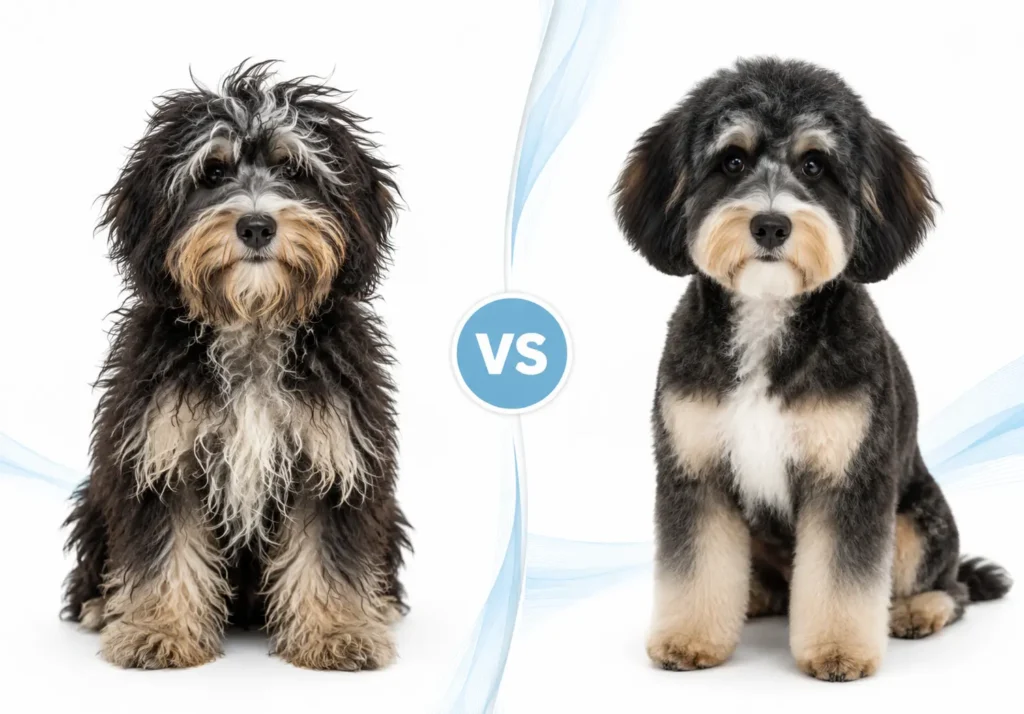
A long teddy-bear coat looks cute. It also needs serious work.
A shorter trim may suit an active dog or a busy household. It is easier to wash and dry. It also makes skin checks easier. Choosing a short style does not mean you failed at grooming. Comfort matters more than coat length.
Discuss the desired length with your professional groomer. Ask which areas mat fastest on your dog.
Dog skin can pull up inside a mat. It may sit much closer to the scissors than you think.
One quick cut can cause a serious wound.
Loose surface tangles may come apart with patient brushing. Dense mats close to the skin should be removed by a professional. Sometimes shaving is the kindest choice. Trying to save badly matted hair can cause unnecessary pain.
During grooming look for bumps and scabs and red spots.
Check for fleas or small dark specks. Notice any bald areas or strong smell.
A healthy coat should not suddenly fall out in patches.
Contact a veterinarian when your dog keeps scratching or licking one place. Grooming cannot fix an infection or allergy by itself.

A good Mini Aussiedoodle home grooming schedule should match the individual coat.
A curly adult with long hair may need daily brushing. A dog with a short loose coat may need fewer complete sessions. Puppies also change as they grow. The soft puppy coat can mix with new adult hair and tangle quickly.
Use this routine as a starting point:
A long coat may need more care than this. A short trim may need less brushing but still requires regular checks.
Grooming is easier when the dog feels safe.
Use tiny food rewards. Praise soft and calm behavior. Give short breaks. Teach simple positions such as stand and sit and lie on one side. Do not chase the dog around the room with a brush. Use a leash or safe grooming area when needed. Keep the experience quiet.
When the dog becomes stressed, go back to an easier step. For example you may only brush one leg. The next day you can work on the other side.
Slow progress creates a dog that cooperates for years.
Home grooming has limits.
Book professional help for tight mats or difficult clipping. A groomer can also shape the face and feet and sanitary areas safely.
Veterinary help is better when the skin looks infected or painful. A veterinarian should also examine repeated ear problems or unusual coat loss.
A nervous or aggressive dog may need a special handling plan. Tell the groomer about past behavior before the appointment.
Hiding the problem can put the dog and groomer at risk.
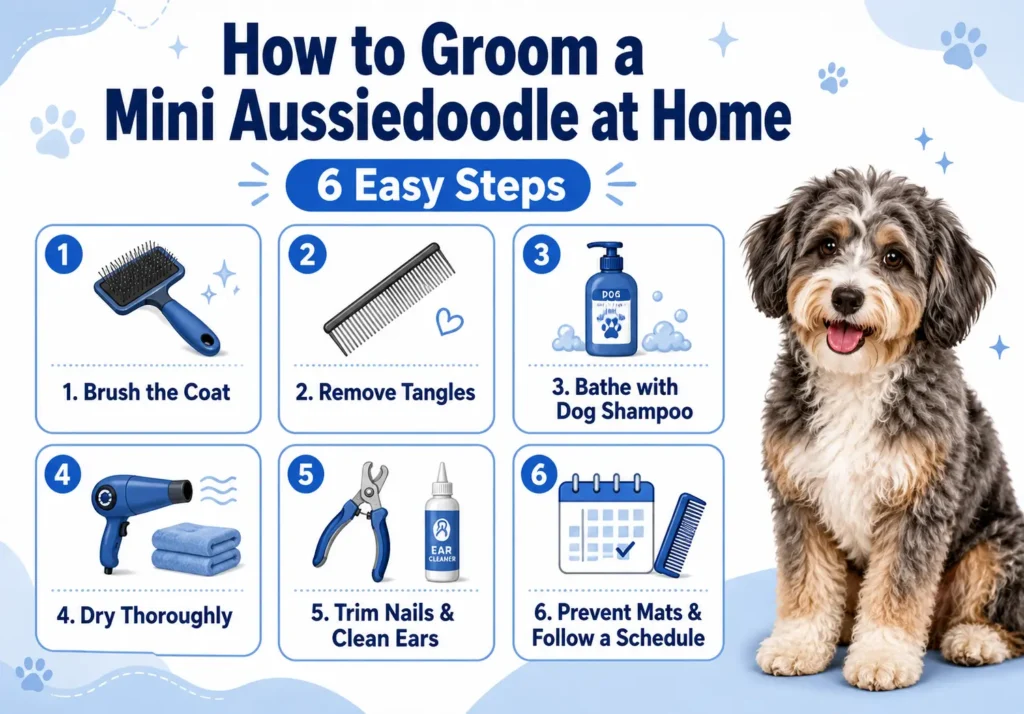
Grooming a Mini Aussiedoodle at home becomes easier when you follow a steady routine.
Start with the right tools. Use a slicker brush and a metal comb. Brush the coat in small sections and check close to the skin. Remove tangles before bathing. Use lukewarm water and dog-safe products. Rinse the coat well and dry it completely.
Handle the paws and ears gently. Trim only small pieces of nail. Clean the visible ear with an approved product and never push tools deep inside.
The best home grooming does not need to look perfect.
Your main job is to keep the dog clean and comfortable. Short calm sessions work better than a long stressful one. Check the hidden areas every week. Pay attention behind the ears and under the legs and around the collar.
Bring in a professional when mats become tight or the haircut becomes difficult. A healthy coat comes from small jobs done on time. Waiting until the dog becomes dirty and tangled only makes the work harder.