

Learning how to stop a Mini Bernedoodle puppy from biting can feel hard during the first few weeks. Your puppy may bite your fingers. It may pull your sleeves. It may grab your trousers while you walk. Some puppies also chew shoes and furniture.
This behavior does not usually mean you have a bad or aggressive dog. Mini Bernedoodle puppy biting is often a normal part of puppy development. Young dogs explore the world through their mouths. They also bite during play and chew when their gums feel sore.
A Mini Bernedoodle normally comes from a Bernese Mountain Dog and a Miniature Poodle. Both breeds can be smart and quick to learn. Still every mixed-breed puppy has its own nature. One may be a calm puppy. Another may be a very mouthy puppy with strong energy.
The main goal is simple. Teach your puppy that human skin and clothing are not toys. At the same time give it safe things to chew.
I have noticed that owners often focus only on stopping the bite. This makes training harder. A puppy needs a clear answer to another question too. What should it bite instead?
Good results come from reward-based training and patience and clear repetition. You do not need painful corrections or frightening methods. Calm training builds trust and creates better habits.
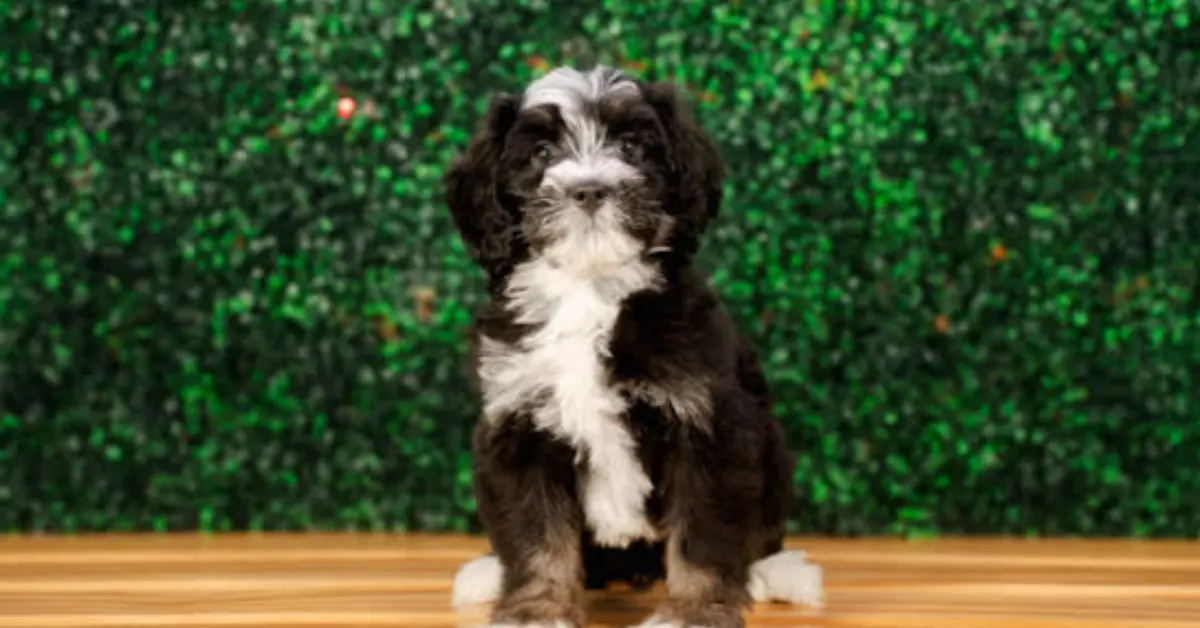
Understanding why Mini Bernedoodle puppies bite is the first real step.
Puppies use their mouths for exploration. They do not have hands. They pick up and taste objects to learn about them. A shoe or sleeve may feel interesting because it moves and smells like the owner.
Another common cause is teething pain. Pressure on sore gums may give temporary relief. This is why a puppy may chew furniture or hands even after eating and playing. Play also causes biting. Puppies naturally chase movement. Fast hands and moving sleeves and trouser legs can become exciting targets.
Your puppy may also bite for attention. A bite makes the owner look down and speak. Even shouting can feel like a reward because the puppy gets an owner reaction. Some biting starts after too much play. A puppy becomes overexcited and loses self-control. Fast movement and loud voices may increase the problem.
Many puppies also bite when they need sleep. An overtired puppy may run wildly and grab clothing. Owners often think it needs more exercise. In reality it may need a quiet nap. Hunger and toilet needs can also create restlessness. A young puppy may become impatient when its routine is late. Watch the full body language. Playful mouthing normally comes with a loose body and bouncing movement. The puppy may grab a toy and return happily.
More serious behavior may include a stiff body and hard stare. The puppy may show freezing before the bite. It may give a deep growl when someone touches a painful area or approaches food.
Keep a biting diary for several days. Write down when the behavior happens.
You may notice patterns such as:
This simple record supports trigger identification. It helps you decide whether the puppy needs sleep or training or veterinary care.

Knowing the Mini Bernedoodle puppy teething stages can reduce a lot of worry.
Puppies normally begin life with 28 baby teeth. Adult dogs usually develop 42 permanent teeth. The baby teeth loosen and fall out as adult teeth grow.
During three to eight weeks the first temporary teeth appear. Puppies use their mouths while playing with their mother and littermates. This early social play teaches them that hard bites can end the game. From eight to twelve weeks the puppy enters its new home with very sharp teeth. These sharp baby teeth may feel like needles on the skin.
At around three to four months the baby teeth begin loosening. The gums may become tender. You may see more hand chewing and furniture chewing during this stage.
The strongest chewing period often happens between four to six months. Adult teeth begin replacing the baby teeth. You may find a small tooth on the floor. Many puppies swallow loose baby teeth without any problem. By around six months most adult teeth have appeared. Teething-related biting should slowly improve. However learned play biting may continue if training has not been consistent.
Some dogs show another adolescent chewing phase at around eight to ten months. The teeth have already appeared but chewing may still feel good as the jaw develops.
Common teething signs include:
A little blood from a loose tooth may be normal. Heavy bleeding or facial swelling is not normal. Contact a veterinarian if your puppy shows severe mouth pain or refuses food. A retained baby tooth may also need attention. This happens when an adult tooth grows beside a baby tooth that did not fall out.
Avoid very hard chewing objects. Hard bones and cow hooves and hard ice may cause tooth damage.
Choose age-appropriate toys that match your puppy’s mouth size. Check them often and remove broken toy pieces.

Redirecting puppy biting to chew toys gives your dog a clear and useful lesson.
Keep a puppy chew toy in every room where you spend time. Do not wait until the puppy is already hanging from your clothing. When you see an open mouth approach, place a toy between mouth and skin. This creates pre-bite redirection.
A suitable toy should be:
A long tug toy can protect your hands during active play. A rubber food toy can keep the puppy busy. A cooled teething toy may also soothe tender gums. Do not give your puppy old shoes or socks. It cannot understand why one shoe is an acceptable biting object while another shoe is forbidden. This creates confusing rules.
When the puppy bites your hand follow a calm process.
Do not pull your hand away quickly. Quick movement may create a chase trigger.
Reward independent toy choice too. If the puppy walks past your shoe and picks up its own toy then offer quiet praise or a small treat. Use toy rotation to keep toys interesting. Leave a few available and store the rest. Change them after several days.
Complete a daily toy inspection. Remove toys with broken rubber or frayed rope or exposed stuffing. Missing pieces may cause a choking risk or intestinal blockage. Redirection should happen before the bite when possible. If every painful bite starts a fun game then biting may become a way to ask for play.

Teaching bite inhibition to a puppy means teaching control over mouth pressure.
Puppies begin this lesson with their mother and littermates. A puppy bites too hard. The other puppy cries and stops playing. The first puppy learns that a hard bite ends social interaction.
People can continue this lesson.
During gentle play keep calm hands. When the teeth press too hard, freeze your movement. You may say a short ouch cue once. Some puppies pause when they hear it. Then you can offer a toy and reward calmer play.
The sound does not work for every dog. Some puppies become more excited after yelping. They may start biting harder. Use quiet withdrawal when the sound increases excitement. Stop interaction for a few seconds and return when the puppy is calm.
A simple routine looks like this:
Everyone in the home needs household consistency. The puppy receives mixed information when one person allows rough hand play and another person stops it. Children need adult supervision. A young child may scream or run after a bite. This can increase chasing and grabbing.
Teach children to become still like a tree. An adult should calmly separate the child and puppy. Never hit the puppy’s nose. Do not use mouth restraint or hold the jaw closed. Do not roll the puppy onto its back. These actions may create fear and teach the puppy that hands are dangerous.
Reward-based methods support learning without painful corrections. Progress may feel slow. Look for small improvements such as fewer hard bites and quicker release. A stronger interest in toys also shows that training is working.
Stopping biting during playtime becomes easier when you control the game before the puppy becomes wild. Begin with a larger toy already in your hand. A ball or long tug toy keeps teeth away from the skin.
Use clear play rules:
Keep sessions short. Several five-minute sessions may work better than one long game. Tug can be a useful form of interactive play. It does not automatically create aggression. Use a safe toy and teach a release cue.
Say “drop” and place a treat near the puppy’s nose. Give the reward when the puppy releases the toy. Do not wave fingers near the puppy’s face. Avoid hand wrestling. These games make it harder to understand that hands are not toys.
Ankle chasing and trouser grabbing are also common. When this happens, stop walking. Keep a still body. Do not pull the clothing away. Ask for a simple sit cue if the puppy knows it. Reward calm behavior and offer a toy before you continue moving. Carry a tug toy during a home walk or garden play. Offer it before the puppy reaches your ankles.
Think about the full puppy schedule. A young puppy needs a lot of sleep. An overtired puppy may look energetic. It may run around and attack clothing because it has poor impulse control. Create regular quiet periods in a puppy pen or crate that was introduced positively. Offer a safe chew and allow the puppy to settle.
The purpose is rest. It is not punishment. Balanced activity includes play and chewing and exploration and feeding and sleep. Meeting these normal puppy needs can prevent many unwanted behaviors.
Using time-outs for puppy biting can help when the pause remains brief and calm.
The best method is often a reverse time-out. You remove yourself instead of pushing the puppy into a punishment area. When the puppy bites hard it becomes still. Say a neutral phrase such as “too bad.”
Step behind a gate or leave the room for 10 to 20 seconds. Return calmly. Resume interaction only when you see a settled puppy. This creates a clear bite consequence. Biting makes the person disappear. Calm behavior brings the interaction back.
Do not stay away for a long period. A long isolation will not help the puppy connect the pause with the bite. If biting starts again then repeat the process. After several attempts the puppy may need a toilet break or sleep. A puppy pen may also provide a calm reset. Guide the puppy inside with a treat and offer a safe chew.
Avoid angry crate punishment. The crate should remain a safe sleeping place and relaxation area.
Time-outs work better when the puppy also receives:
A time-out does not solve teething pain or fear. It only removes the reward of continued interaction. Timing matters. The pause should happen immediately after the bite. A one-minute delay may make the lesson unclear. Stay emotionally calm. Loud anger may create more excitement or fear. The goal is clear information rather than a threat.
Most puppy biting improves with time and consistent training. Some cases need professional assessment. Contact a veterinarian when biting starts suddenly or happens during handling. Medical pain from the ears or mouth or joints or skin may create defensive biting.
Arrange a veterinary examination if you notice:
Seek a qualified professional when biting includes a stiff body posture or repeated skin-breaking bites.
Other warning signs include:
A playful growl is not always aggression. Look at the full body. A loose bouncy body during play is different from a rigid body around food. Do not test resource guarding by repeatedly taking food away. This may make the behavior worse.
A reward-based trainer or veterinary behavior professional can help create a safe plan. Keep incident notes before the appointment. Record who was present and what happened before the bite. A short video may support the assessment when you can record it safely. Avoid trainers who use intimidation or dominance-based physical corrections. Strong punishment can increase fear and make biting more dangerous.
A practical daily plan for a mouthy puppy can prevent hunger and tiredness and uncontrolled excitement. Start the day with a toilet break after waking. Give breakfast through a puzzle feeder. Add a short sniffing walk and around three to five minutes of training.
Offer a supervised chew before the first quiet nap. After waking, take the puppy for another toilet break. Use gentle play with a long toy and then allow a second nap. Include calm social exposure during the day. Let the puppy watch new things from a safe distance. Give the evening meal and a short play session. Finish with a final toilet break and a quiet bedtime routine.
Adjust the routine for the puppy’s age and health. A very young puppy needs frequent toilet trips and more rest than an older puppy. Use part of the normal meal portion as training rewards. Keep treats small. Track weekly progress rather than judging one difficult day. Teething may create good days and difficult days. Improvement may appear as softer bites and shorter biting episodes before the behavior stops.
A Mini Bernedoodle puppy does not usually bite because it is bad or dominant. Mouthing and chewing are normal parts of puppy life. Teething and tiredness and overstimulation can make the behavior stronger.
Keep safe toys close and use redirection before the teeth reach your hands. Teach bite inhibition through calm pauses. Use a brief play pause or reverse time-out when biting continues.
Avoid hitting and shouting and holding the puppy’s mouth shut. Calm reward-based training protects the owner-puppy bond and creates clearer habits. Watch for resource guarding and stiff posture and pain or bites that break skin. These signs need help from a veterinarian or qualified behavior professional.
With enough sleep and safe chewing outlets and consistent training your puppy can learn that toys are for biting while hands and clothing are not.