Pet insurance has helped to move vet care from simple care to an advanced level of diagnostic procedures, surgeries, and handling diseases. Such services will surely help animals but however, it comes at a cost and payments will have to be paid by the owners. Pet owners can pay for these service expenses in one go or spread the payments over a period of time, which has become a trend for pet ownership today. To choose the best pet insurance needs some knowledge to be learned due to the flexibility of the various plans and the pricing.
Pet insurance is also in the process of change. The market for pet insurance has grown as many pet owners seek methods to offset escalating veterinarian bills.
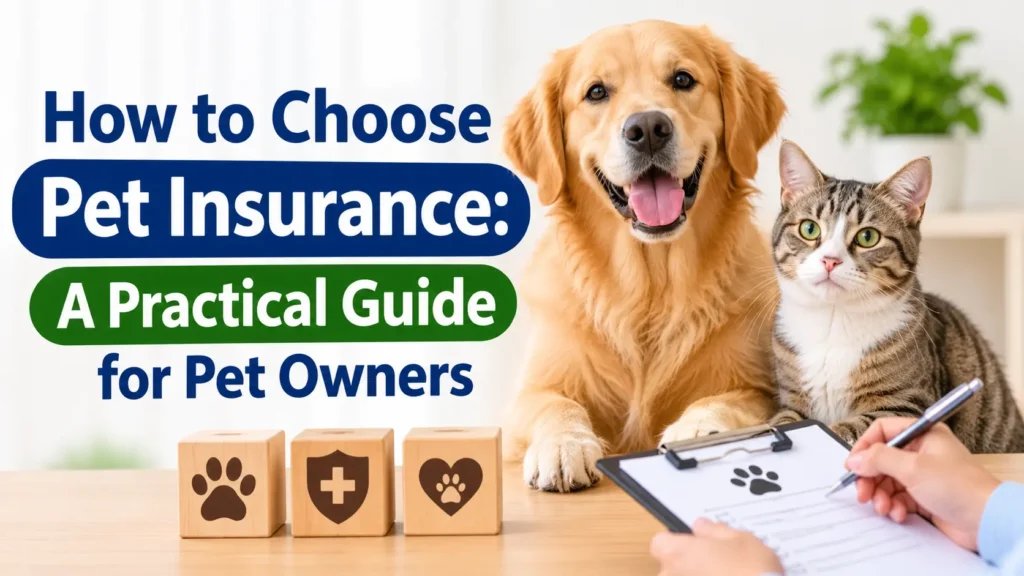
How Pet Insurance Works
Pet insurance is a contract between the owner of the pet and the insurance company. The
owner pays a monthly or yearly amount to the insurance company, and the insurance company pays a part of the veterinary bills when the pet gets sick or is injured. Usually, the owner will pay the veterinarian himself and then claim from the insurer.
If your dog swallows a foreign object and needs to be operated on, your insurance will pay a proportion of the total costs about the diagnosis, operation, and subsequent hospital stays. Whether the full cost is eligible will depend on the policy conditions. This makes the terms of the policy more important than the price quoted.
The Basic Components of a Pet Insurance Plan
The plans each have a handful of components. They all impact the cost of the policy and the
type of coverage the insurer is providing.
- Premium: Is the amount paid per month or per year, necessary to ensure the validity of the policy. It depends on the species breed age and location of the pet.
- Deductible: The owner should pay this amount first before reimbursements are paid. It can be paid on an annual or condition basis.
- Reimbursement Rate: The proportion of the covered claim paid by the insurance carrier after the paid deductible.
- Annual and Lifetime Caps: The upper limit of the coverage per policy year or during the whole term of the contract. Some plans provide unlimited annual coverage.
- Waiting Period: The interval between the purchase of the policy and its validity. Separate periods are usually set for accidents and illnesses.
- Exceptions: The things that are not covered by the policy, for example, pre-existing conditions or cosmetic procedures.
Coverage Options Available
There are various types of plan designs available in the pet insurance market. This depends
largely on the health history of the pet as well as financial ability of the owner.
- Accident Plans: This includes injuries such as broken bones, bite wounds, poisoning etc. This is relatively cheaper but does not cover any diseases.
- Accidents and Illness Plan: These include cover for infectious diseases, digestive problems, allergies, and chronic illnesses. This is the most popular plan amongst dog and cat owners.
- Wellness Programs: Additional packages that help in vaccinating, teeth cleaning, preventing parasites and annual check-ups. Pet owners should consider if the premium cost of the plan justifies the services received.
- Time Limited and Lifetime Plans: Some plans may have coverage limited to a certain period or quantity in case of certain disease while some cover it annually. The distinction matters greatly for pets with chronic illnesses.
- Other Animal Plan: Rabbits, birds and other exotic animals have fewer options when it comes to covering them.
Factors That Influence Premiums
Insurance companies set premiums according to the risks that are anticipated. Several factors
typically influence premiums.
- Age: Premiums tend to increase with age and some companies may limit coverage to younger pets.
- Breed: Pets with breed-specific ailments that may run in the family, such as hip dysplasia or difficulties breathing among flat-faced pets, will be more expensive to cover.
- Location: Vet costs vary depending on where one lives.
- Coverage Choices: Decreasing the deductible, increasing the reimbursement percentage and increasing the limits all lead to an increase in premiums.
Pet owners should also enquire regarding how premiums are increased or decreased at each renewal.
Assessing the Value of a Policy
The value of a policy must be assessed based on what it delivers in a realistic claim scenario and not just on its monthly price tag. Below are the measures that owners may consider when comparing different plans.
- Cost in a Realistic Claim: Calculate the owner's out-of-pocket expense by using a realistic scenario such as the cost of a surgery and calculating what the pet owner will have to pay in a realistic scenario after taking into account the deductible and the reimbursement percentage.
- Extent of Coverage: Determine whether the diagnostics, drugs, hospitalizations, and referrals to specialists are covered. Determine how the plan handles chronic and genetic conditions.
- Claim Processing: Consider how quickly claims are processed, direct billing to the veterinary facility and claim processing ease.
- Expected Total Cost: Consider how much premiums might increase in a few years from now considering the age of the pet, deductible and other limits.
It all depends on how honest and clear the documents that describe the policy are.
Responsibilities of The Owner and Veterinarian
Insurance runs smoothly when owners and vets provide truthful information. A good history card will be of assistance at the underwriting stage and when processing claims. Owners are advised to be truthful about any previous veterinary history because if this is missing from the claim, it may be rejected.
Veterinarians can give all the relevant invoices and treatment records that insurers need. Buyers should ask whether the policy is for any registered vet or if they are limited to a list, most of all if they go to a specialist or specific practice.
The Owner Continues to Be Responsible for Prevention
Regular vaccinations, dental care and proper nutrition are able to keep your pet safe from any disease; however, many insurance companies would ask you for the evidence of regular preventive care.
Potential Problems and Common Mistakes
Following is a list of some issues that you should be aware of as an owner even after appropriate planning
- Previous Conditions: Any disorder or existing health issue that existed before starting of your cover or within the waiting period should be considered as an exclusion. The earlier you buy your insurance, the fewer exclusions you will have.
- Cheap Cover: The affordable plan may include a high deductible, low reimbursement percentage or low annual limit that will not cover you in case of serious illness.
- High Premium: Upon renewal, the premium may go up, making it difficult for you to renew the plan. Ambiguous terminology. The company can interpret ‘chronic’ or ‘hereditary’ conditions differently, resulting in a different outcome. Unused add-ons: Wellness plans may be more expensive than preventive care services used.
A Clear, Flexible Pet Insurance
An increasing number of dogs and cats are being insured and more active claims insurers have introduced include online claim submissions, quicker turnarounds, and more transparent, easy to understand policy comparisons. Deductible and limit levels on certain plans are now also optional. This may help some owners better understand their insurance, but again read all terms.
The prospects of pet insurance tend to be shaped by factors like the price of insurance charged by vets, levels of consumer knowledge, and prices transparency and claims experience. According to the Pristine Market Insights, these very parameters will remain influential for shaping up the pet insurance market. For owners of each pet, but the bottom line is the same: shop around, compare several policies, read the exclusions and limits, measure the true cost of a claim and locate a policy that advantages the dog or cat on top of the wallet.