

Yes. Mini Bernedoodles can live in apartments and become a calm companion. They do not need a huge yard to feel happy. They need a safe home and enough exercise and brain work.
A small home can work better than a large house when the owner follows a good routine. A dog in a big house can still become bored. A dog in a small apartment can remain relaxed when its physical needs and emotional needs are met.
A Mini Bernedoodle comes from a Bernese Mountain Dog and a Miniature Poodle. The Bernese side may bring a soft and placid temperament. The Poodle side may bring intelligence and strong energy.
Each puppy receives a different mix of these mixed-breed traits. One may become a quiet indoor dog. Another may need more walks and training.
The real apartment challenges are not only about space. Owners must think about barking and toilet trips and time alone. They must also teach good behavior in elevators and shared hallways.
With planning and reward-based training a Mini Bernedoodle can enjoy apartment living without causing problems for neighbors.
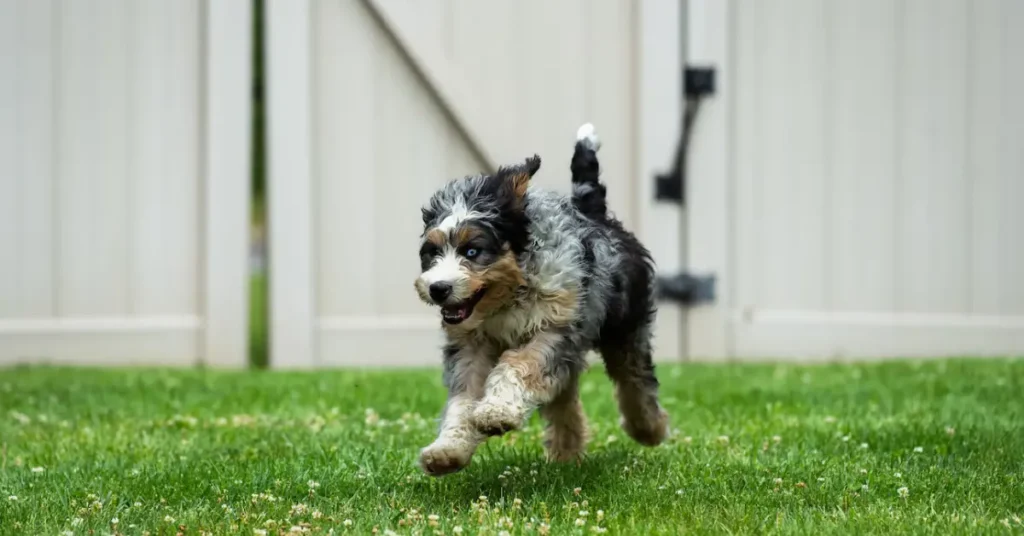
The Mini Bernedoodle apartment space requirements are not as large as many people think.
Your dog does not need its own bedroom. It needs enough clear floor space to walk and stretch. It should be able to turn around without hitting furniture.
The exact space depends on the dog’s adult size. The word Mini does not promise one fixed weight. Some Mini Bernedoodles stay small. Others grow into medium dogs because of parent size and the family line.
A good apartment setup should include:
Place the dog bed in a quiet corner. Do not place it beside the front door if possible. A bed near the door may keep the dog alert to every footstep and lift noise. A crate or puppy pen can help during the early months. It may prevent household damage when you cannot supervise.
The crate should feel like a comfortable retreat. It should never become a punishment area. Use the crate for short periods only. A crate does not replace exercise and social contact.
Apartment floors also matter. Slippery tiles can make running unsafe. Add washable rugs to common walking paths. Rugs can improve grip and reduce claw noise for downstairs neighbors. Keep balconies secure. Check for gaps in the secure rails. Do not place chairs near the edge. A curious dog may climb onto outdoor furniture.
A balcony may work as a temporary toilet area when building rules allow it. It should never replace outdoor walks. Think about vertical storage too. Keep food and cleaning products above the dog’s reach. Store medicines and shoes in closed spaces.
Mini Bernedoodles are smart. A curious dog may learn how to open low cupboards when bored. The best home is not the largest home. It is a safe space where the dog can move and rest.

The daily exercise needs in an apartment depend on age and health and energy level. Some Mini Bernedoodles inherit the calmer nature of the Bernese parent. Others inherit the active nature of the Miniature Poodle. A short toilet walk may not be enough for a healthy adult. The dog may return home with energy left to burn. It may start barking or stealing things.
Do not wait all day and then offer one hard exercise session at night. Spread physical movement through the day.
A useful routine may include:
Let the dog take sniffing walks. Sniffing gives the brain useful information. It can make a short walk more satisfying.
Other apartment-friendly activities include:
Avoid loud games indoors. A bouncing ball in the hallway may upset neighbors. Use soft toys and quieter games. Puppies need a safer plan. Their developing body is not ready for forced running or repeated high jumping. Use short play periods and age-appropriate walks. Let the puppy stop when it feels tired.
Do not try to exhaust your dog. Too much running can build more fitness and stamina. The dog may need even more exercise later.
The best plan uses activity balance. Give the dog exercise and brain work and rest.
Watch your dog after activity. Suitable exercise should help it settle.
A dog that becomes more wild may feel overstimulation. Busy dog parks and repeated ball chasing can make some dogs more excited.
Signs of too much activity can include:
Use indoor scent games during heavy rain or extreme heat. You can also make a safe obstacle course with cushions and boxes.
Speak with a veterinarian if your dog has joint problems or pain.

Mini Bernedoodle barking and noise levels can become important in an apartment building. Some Mini Bernedoodles stay quiet. Others react to every sound in the hallway. Find the trigger before choosing a training plan. Barking at hallway sounds is different from barking caused by separation anxiety.
Keep a barking record. Write down the time and cause and barking duration. Move the dog bed away from the front door. Use curtains or window film when outside movement causes barking.
A fan or white-noise machine may reduce hallway sounds. Do not shout. Your dog may think you are joining the noise. Shouting can also increase fear. Teach a calm response instead.
When your dog hears a sound and stays quiet, give a reward. You can also use mat training when someone rings the doorbell. Begin with low-level practice. Play a soft sound. Reward calm behavior before your dog gets excited.
Slowly make the sound stronger. A quiet cue can help after the dog understands silence. Reward a brief silence. Do not give the treat during active barking. Attention barking needs another plan. Suppose the dog barks because it wants a toy. Do not begin the game while it barks. Wait for a quiet moment. Ask for a calm seat. Then start the game.
This teaches the dog that calmness creates game access. Avoid shock collars and harsh corrections. These methods can make fear-based barking worse.
Use reward-based methods instead. Reward quiet behavior and manage the environment. Ask neighbors for useful feedback when possible. The dog may look like a quiet dog while you are home. It may bark after you leave.
Use camera monitoring to see what happens during separation. Barking with pacing and panting and destruction may point to separation distress. It is not simple disobedience.
Potty training in apartment buildings takes planning. A young puppy may wake up and need to go right away. You still have to attach the lead and walk through the hall and wait for the elevator.
Keep useful items near the door:
Take the puppy outside after waking and eating and drinking. Also go outside after play and after leaving the crate. Give frequent toilet opportunities during early training. Use the same outdoor toilet area when it is safe. Stand quietly and let the puppy sniff. Give an immediate reward after the puppy finishes. Do not wait until you return upstairs. Good reward timing helps the puppy understand what earned the treat.
Carry a small puppy through the hallway when safe. This may help with hallway accident prevention. Some owners use puppy pads or a grass toilet. These can help when the puppy has not completed vaccinations or the outdoor area has a high disease risk.
Pick one clear toilet system. Moving pads to different rooms can confuse the puppy. A balcony grass patch may work when the building allows it. The balcony must stay secure and clean. Remove waste quickly for odour control and insect prevention. Make sure water does not create drainage problems for people below.
Clean accidents with an enzymatic cleaner. Normal cleaners may leave a pet waste smell that humans cannot notice. Do not use nose rubbing or late punishment. A puppy cannot connect punishment with an old accident.
When you catch the puppy starting indoors use a gentle interruption. Move it to the correct toilet area and reward success. A trained dog that suddenly starts house soiling may have a medical problem or fear or separation distress. Speak with a veterinarian.
Mental stimulation for indoor living helps prevent boredom and destructive behavior. A smart Mini Bernedoodle needs chances for problem-solving. Physical exercise alone may not be enough. Use part of the dog’s meal for meal enrichment.
Useful indoor activities include:
Start with easy puzzles. A difficult game may create frustration. Show the dog where one treat is hidden. Let it find the next treat alone. Supervise homemade games. Remove tape and staples from cardboard. Stop the game if the dog begins cardboard swallowing. Use toy rotation. Store some toys and bring them back after a few days. Short training sessions also provide useful brain work.
Practice these skills in a calm environment. Do not wait for a crowded elevator. Mix active tricks with calming activities. Sniffing and licking and chewing can help the dog slow down. Do not entertain the dog every minute. Independent relaxation is also a life skill. Give a safe food toy or chew. Sit nearby without giving attention. Over time the dog learns that quiet time is normal.
Managing separation anxiety in apartments should begin before you leave the dog for long periods. Mini Bernedoodles often love their families. This close family attachment can become a problem when the dog never learns independence. Separation anxiety is more than mild boredom.
Signs may include:
Apartment neighbors may hear the problem before you do. Use a camera during practice absences. Begin alone training with very short periods. Ask the dog to relax on a bed. Step out of sight for one or two seconds. Return before the dog becomes upset. Slowly build gradual duration. Practice common departure cues without leaving. Pick up your keys and sit down. Put on your shoes and make coffee.
This reduces the link between keys and a long absence. A mildly worried dog may eat a food toy. A dog with severe distress may refuse all food. Not every barking dog has separation anxiety. Barrier frustration or outside sounds may cause similar behavior. Video may show whether the dog watches the hallway or shows exit-door panic.
Do not force a dog with crate panic to remain inside a crate. Strong escape attempts may cause tooth damage or gum injury. Get veterinary help when the dog injures itself or cannot stay alone for a few seconds. A reward-based trainer may help with mild cases. Severe cases may require a veterinary behavior professional and a formal treatment plan.
Do not punish the dog after returning home. The dog did not damage the door as revenge. It acted because of distress.
Creating a calm apartment routine teaches your dog when activity and rest will happen. The routine does not need to follow the exact minute each day. It should follow a clear daily order.
Begin with a morning toilet trip. Allow time for sniffing. Add short training during the walk. Serve breakfast through a breakfast puzzle or a training game. Then guide the dog toward rest.
Provide a midday toilet break and gentle activity. An adult may enjoy a short walk. A puppy may need a nap. Owners who work outside may need a dog walker or family support. A young puppy cannot manage a full working day without toilet breaks.
Give the dog its main evening exercise. Use a walk or controlled play. Let the dog sniff rather than focusing only on speed. Serve dinner and begin reduced excitement later in the evening.
Provide a final toilet trip. Use soft voices and calm movement. Guide the dog to its usual sleeping area. Include planned quiet periods during the day. Constant entertainment can teach a dog to demand activity. Reward calm behavior when you see it. Place a small treat between the dog’s paws when it rests.
Keep your voice low. Do not restart excitement. Teach good door manners and lift manners. Use a short lead in hallways. Not every neighbor wants to meet a dog. Children and older adults may feel nervous around an excited animal.
Mini Bernedoodles in apartments can live happy and healthy lives. A home does not need to be huge. It needs a safe environment and an organized space. Give the dog outdoor walks and indoor enrichment. Teach toilet habits and hallway manners early.
Work on independence practice before you leave the dog for long periods. Manage barking before it becomes a neighbor complaint. Use a camera when you need to understand your dog’s behavior.
Follow a predictable routine and use reward-based training. A Mini Bernedoodle with enough daily movement and mental work can become a calm companion in a small home.