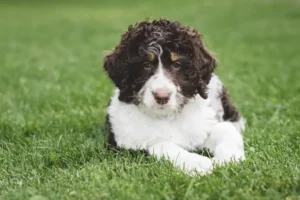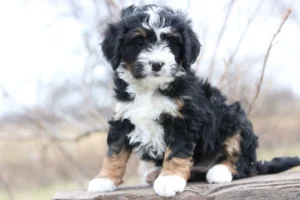
Mini Aussiedoodles are usually smart and friendly dogs. Many enjoy family life and love staying close to their owners. Still any dog may growl, snap or bite when it feels scared, hurt or trapped.
This does not mean the whole type is aggressive.
A Mini Aussiedoodle is a mix of a Miniature Poodle and an Australian Shepherd type dog. Both parent dogs are active and quick to learn. They can also be sensitive to noise movement and changes around the home.
Aggression is not a single personality trait. It is a behavior a dog uses for a reason. Fear is a common cause. Pain, stress, poor training and resource guarding may also lead to a strong reaction.
Some behavior that looks aggressive is normal puppy play. A young dog may bite hands, chase feet or grab clothes because it is excited. The owner must still teach better habits but the puppy may not be trying to cause harm.
The key is to look at the full situation. Watch the dog’s body. Notice what happened before the growl or bite. These clues can help you find the real cause.
| Behavior or cause | What it may look like | Common trigger | What may help |
|---|---|---|---|
| Puppy play biting | Mouthing hands and clothes | Excitement or teething | Toys, breaks, and calm training |
| Fear aggression | Barking, backing away, or snapping | New people, dogs, or places | Distance and slow positive practice |
| Resource guarding | Growling near food or toys | Fear of losing something | Trading games and professional guidance |
| Pain-related aggression | Sudden snapping when touched | Injury or health problem | Veterinary examination |
| Frustration | Lunging or barking on leash | Blocked access to something | Impulse-control training |
| Territorial behavior | Barking at doors or windows | Visitors or outside movement | Management and calm visitor practice |
| Serious aggression | Hard stare, repeated bites, or attacks | Several possible causes | Vet and behavior professional |
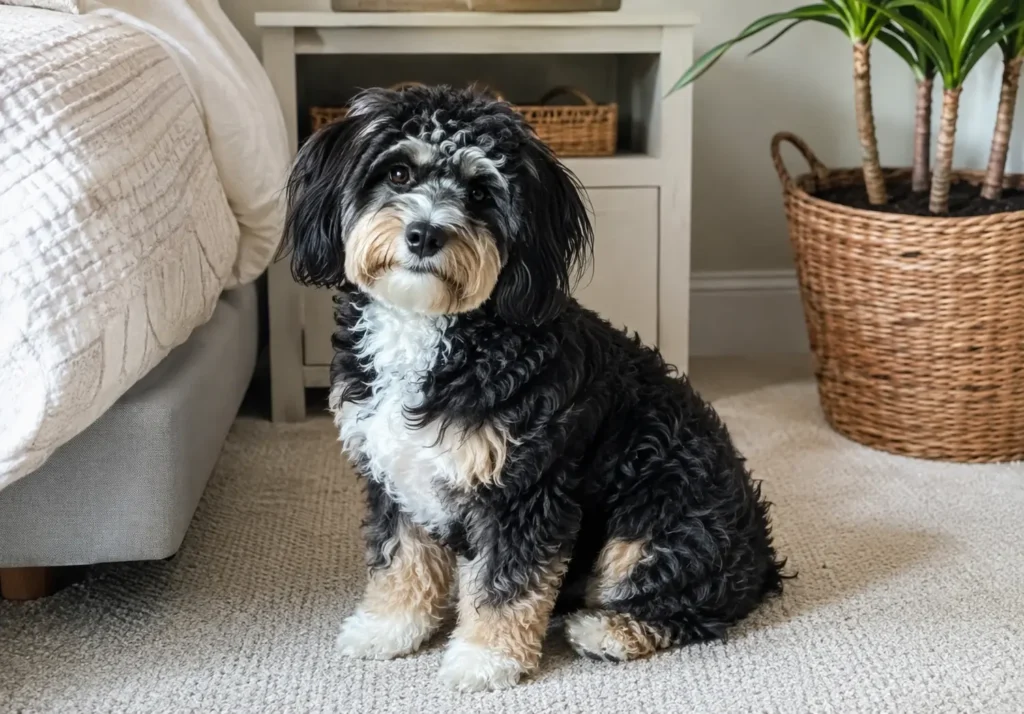
A Mini Aussiedoodle usually does not become aggressive without a reason. The cause may not be clear at first but something often makes the dog feel unsafe or uncomfortable.
The behavior may start with small signs. The dog might turn its head away or lick its lips. It may freeze when someone comes close. If people ignore those signs the dog may growl or snap.
Understanding the cause is the first step toward safer behavior.
Fear is one of the most common causes of aggressive behavior.
A scared Mini Aussiedoodle may bark at strangers because it wants them to move away. It may hide behind its owner or try to escape. When escape is not possible the dog may growl or bite.
Some dogs fear only certain people. A dog may react to tall men or people wearing hats. Fast-moving children can also make a nervous dog uncomfortable.
Other dogs may be the trigger. A puppy that had one bad meeting may become worried during future walks.
Do not force a fearful dog to greet someone. Give it space. Let the dog watch from a safe distance and reward calm behavior.
A sudden behavior change may come from pain.
A dog with an ear infection may snap when someone touches its head. Back pain can make lifting uncomfortable. A sore tooth may cause the dog to guard its mouth or food bowl.
Joint pain can also make a dog less patient. This may happen after hard exercise or an injury.
Book a veterinary check when a normally calm dog starts growling without a clear reason. Training cannot fix an untreated medical problem.
Resource guarding happens when a dog fears losing something valuable.
The guarded item may be food or a toy. Some dogs guard beds chews stolen socks or even a favorite person.
A guarding dog may lower its head over the item. It may freeze and watch from the side of its eyes. Growling can follow when a person reaches closer.
Do not grab the item from the dog. This may teach the dog that people really do take valuable things.
A safer method is trading. Offer a better treat and allow the dog to move away from the item. Serious guarding needs help from a skilled behavior professional.
A Mini Aussiedoodle may bark or pull when it sees another dog on a walk. It may want to run over but the leash stops it.
The blocked movement can create frustration. That frustration may look like aggression.
Young dogs also lose control during rough play. A puppy may begin with soft mouthing and slowly bite harder. This often happens when it becomes tired or too excited.
End the game before the dog loses control. Give it a quiet break and something safe to chew.
Many Mini Aussiedoodles notice every sound near the home.
They may bark when someone walks past a window. They can also react when visitors come through the door.
Alert barking is not always aggression. The dog may simply be saying that something has changed.
The problem becomes more serious when the dog rushes at visitors or cannot calm down.
Block the window view when outside movement causes constant barking. Use a gate or leash during visitor practice. Reward the dog for staying on a mat or looking at the visitor calmly.
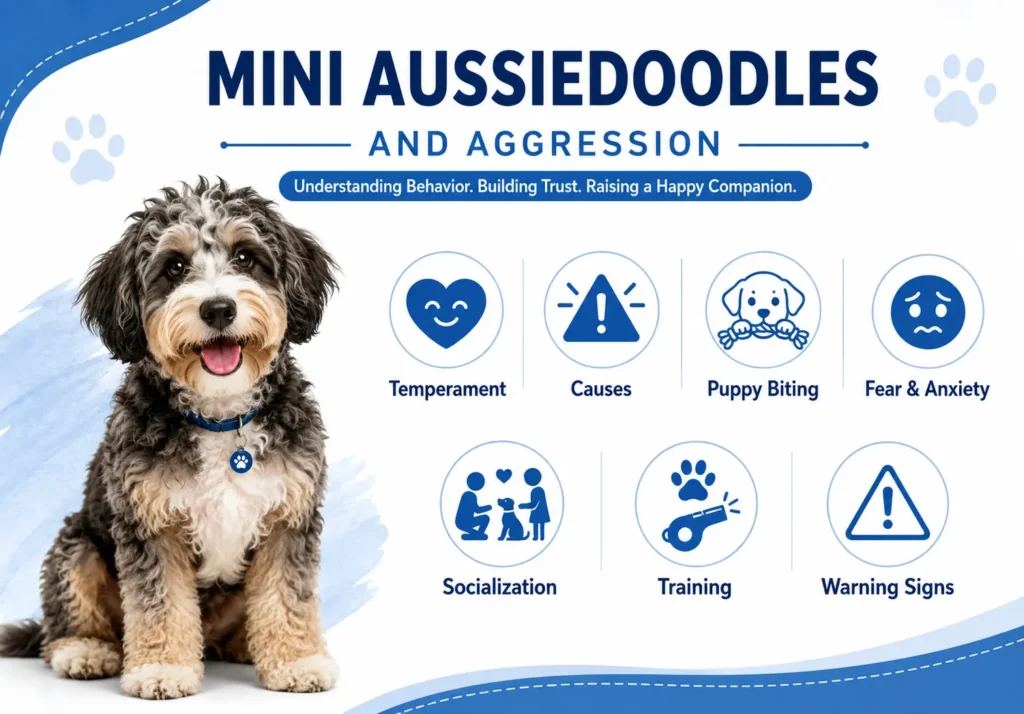
Mini Aussiedoodles do not all have the same personality. They are mixed dogs and can inherit different traits from each parent.
One puppy may act more like a Poodle. It may be social and eager to learn. Another may show stronger herding behavior from the Australian Shepherd side.
Even puppies from the same litter can act very differently.
Mini Aussiedoodles are often quick learners.
They may learn to sit , come and wait in only a few short training sessions. They also notice patterns in daily life.
This intelligence can create good habits or bad ones.
A dog may learn that calm behavior earns a treat. It may also learn that barking makes a stranger leave.
Owners need to reward the behavior they want. Short daily lessons work better than long stressful sessions.
Food puzzles and scent games help use the dog’s brain. A bored Mini Aussiedoodle may chew furniture, chase children or bark at every sound.
Many Mini Aussiedoodles are loving and people-focused. They may follow family members from room to room and dislike being left alone for long periods.
They can also be sensitive.
Loud shouting or rough handling may make the dog nervous. A shy dog may dislike people leaning over its head.
Calm voices and gentle training help build trust.
Give the dog a quiet place to rest. Family members should leave it alone while it sleeps or chews a special toy.
The Australian Shepherd side can bring herding habits.
A puppy may chase running children and nip at their pants. It may also circle family members or try to control movement.
This is not always true aggression. The dog may be following a natural instinct.
The behavior can still hurt or scare people.
Stop chase games when the dog grabs clothing. Redirect it toward a ball or tug toy. Reward calm behavior while children walk nearby.
Mini Aussiedoodle puppies explore with their mouths.
They chew hands, shoes and clothes. Teething can make this worse because the gums feel sore.
Normal puppy biting can be painful but it is often part of play and learning.
A playful puppy usually has a loose body.
It may bounce around and grab a sleeve. It often returns to play after a short break.
The biting may become stronger in the evening. A tired puppy often loses self-control and becomes wild or mouthy.
This does not mean it needs more exercise. It may need sleep.
Young puppies require many hours of rest. A quiet pen or gated room can help them settle.
Real aggressive behavior often comes with a stiff body.
The dog may freeze and stare. It may lift its lips or lower its head over food.
A serious bite may happen during handling or when someone approaches a guarded object.
Repeated bites that break skin need professional help. A dog that chases someone after they move away also needs careful assessment.
Look at the full event. One growl does not make a dog dangerous but it should not be ignored.
Keep safe toys nearby.
When the puppy bites a hand, move a toy into the game. Reward the puppy when it bites the toy instead. Stop playing for a short time when teeth touch skin. Stay calm and avoid loud yelling. Noise can make some puppies more excited.
Do not hit the puppy or hold its mouth shut. Pain can create fear and defensive behavior.
Children should not run around a mouthy puppy. Fast movement can trigger chasing and ankle nipping.
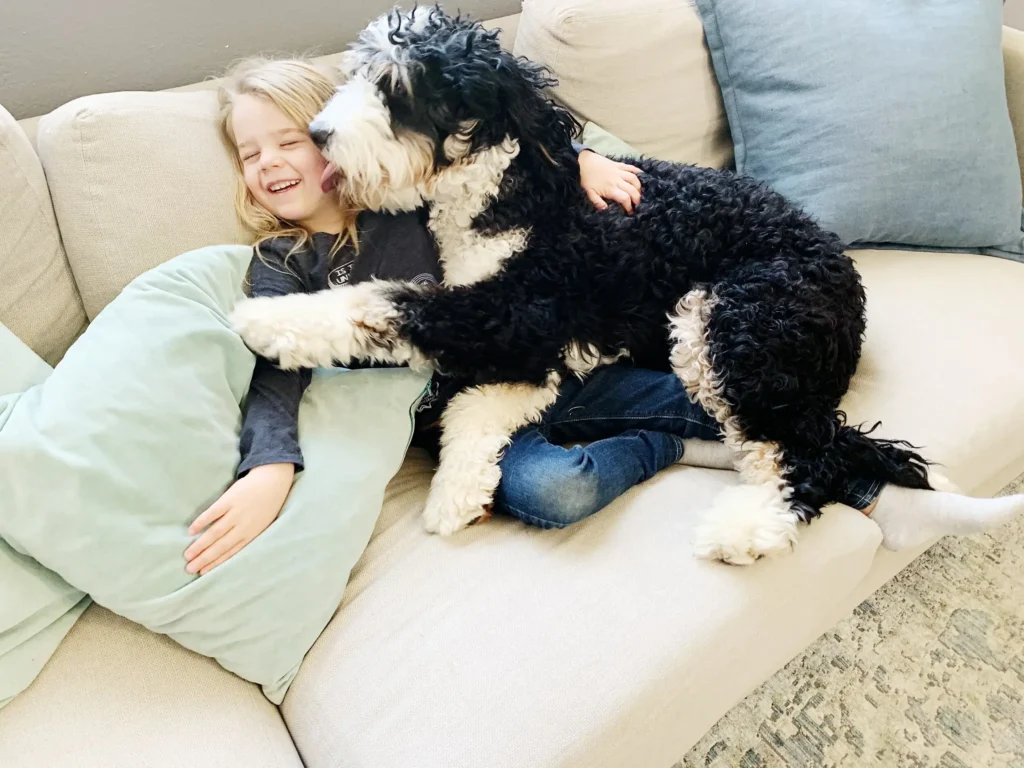
A fearful dog may look angry even when it is not looking for a fight.
Growling is often a request for space. The dog is warning that it feels uncomfortable.
Punishing a growl can be dangerous. The dog may stop warning but still feel afraid. Next time it may bite more quickly.
A Mini Aussiedoodle may show quiet stress signs before barking.
It might turn its face away. It may lick its lips even when no food is present.
You may see the white part of its eyes. The tail may drop under the body.
Some dogs freeze. Others hide behind their owner.
Panting can also show stress when the weather is cool and the dog has not exercised.
Move away from the trigger when these signs appear. Do not wait for the dog to snap.
Thunder and fireworks can frighten sensitive dogs.
Some Mini Aussiedoodles become nervous when left alone. They may bark drool or scratch at doors.
Crowded places can also feel overwhelming. A busy market may contain loud sounds fast people strange smells and many dogs.
Start with quiet places. Let the dog build confidence slowly.
Do not force the dog into a scary situation to make it get used to it. Too much pressure may increase fear.
Distance helps a fearful dog think.
A dog that barks at another dog from ten feet away may remain calm from thirty feet away.
Start at the safer distance. Reward the dog when it notices the trigger without barking.
Move closer only after many calm sessions.
The goal is not to make the dog greet every person or animal. The goal is to help it feel safe and stay under control.
Socialization teaches a puppy that normal parts of life are safe.
This includes people and other dogs. It also includes car rides, grooming sounds, surfaces and new places. Good socialization does not mean meeting everyone. The puppy should have calm and positive experiences.
Let the puppy watch a new person from a distance.
The person can toss treats without trying to touch the dog. This gives the puppy control.
Introduce surfaces such as grass carpet tile and rubber mats.
Play home sounds at a low level. These may include a vacuum doorbell or hair dryer. Raise the volume slowly if the puppy remains relaxed. Allow meetings with calm and healthy dogs. Avoid large groups at first.
A crowded dog park is not a safe place for a first social lesson. Unknown dogs may rush the puppy. One scary event can create a long fear of dogs. A small puppy class may be better when the trainer uses gentle reward-based methods. Ask your veterinarian about safe social activity based on vaccines and disease risk in your area.
Adult dogs also need positive practice.
Keep taking calm walks in different safe areas. Let the dog see people of different ages and appearances.
A shy adult can still learn. Progress may be slow but small changes matter. Do not expect every dog to become highly social. Some dogs prefer space and quiet meetings.
Safety must come before training.
Do not repeat a dangerous situation just to see what the dog will do. Every bite or strong reaction can make the behavior harder to change.
Prevent unsafe events while you work on the cause.
Use baby gates when visitors enter the home.
Walk during quiet hours if other dogs are a major trigger.
Use a secure harness and leash outdoors. Store guarded items where the dog cannot reach them. Feed the dog in a calm area where nobody will disturb it. Management does not cure aggression. It stops the dog from practicing unsafe behavior while training begins.
Teach simple skills during quiet moments.
Useful commands include look at me and come. Teach touch by rewarding the dog for placing its nose on your hand.
Mat training can help visitors. Reward the dog for going to its bed and staying there. Teach them to walk away so the dog can leave a stressful situation with you.
Practice before using these skills near a trigger. A dog cannot learn well when it is already barking or panicking.
Do not use yelling or strong leash jerks.
Avoid alpha rolls and shock collars. These methods may stop a behavior for a moment but can increase fear.
A fearful dog may begin to see the owner as another threat.
Reward-based training builds trust. It also teaches the dog what to do instead of only punishing what it did wrong.
Write down each event.
Record where it happened and what triggered it. Note the distance between the dog and the trigger.
Write what the dog did before and after the reaction. Patterns may become clear. The dog may react more when tired. It may guard only certain chews.
This record can help a veterinarian or trainer create a better plan.
Some behavior problems are unsafe to manage without support.
Start with a veterinarian when aggression appears suddenly. The dog may have pain or another health problem.
A skilled reward-based trainer may help with mild cases. Serious aggression may require a veterinary behaviorist.
A bite that breaks skin is serious.
The injured person should receive medical care.
Do not act as if the bite never happened. Find out what caused it and prevent the same setup. Professional help becomes more urgent when the dog bites a child or attacks the face.
A dog that bites more than once or holds on needs a full behavior assessment.
Seek help when the dog guards many objects or rooms.
An attack with little warning is dangerous.
Redirected biting also needs attention. This happens when a dog cannot reach its trigger and bites the owner or another nearby animal.
Repeated fights between dogs in the same home can become severe. A dog that reacts to normal touch may be in pain. A sudden personality change always deserves a veterinary check.
Look for a trainer who uses rewards and calm behavior work.
Avoid anyone who says the dog needs to be dominated.
Be careful with promises of a fast cure. Aggression often has several causes and takes time to improve. A veterinary behaviorist can check medical causes. They can also create a training plan and prescribe medicine when needed.
A steady routine can lower stress.
Feed the dog at regular times. Give it daily bathroom breaks and walks that match its age.
Allow time for sniffing. Sniffing gives the brain useful work and can help the dog relax. Use short training sessions. Five minutes is enough for many dogs. Provide safe chews and food puzzles. Supervise when the dog has a valuable item if guarding is a concern.
Plan quiet rest time. An overtired dog may become rough and irritable.
Children and dogs need close adult supervision.
Do not allow children to climb on the dog or hug it tightly.
They should leave the dog alone while it eats or sleeps.
A child should not take a toy or chew from the dog.
Stop running games if the Mini Aussiedoodle chases or grabs clothes.
Give the dog a resting area where children cannot follow.
When the dog growls, move the child away. Do not punish the warning.
Mini Aussiedoodles are not usually aggressive by nature. Many are friendly, smart and playful dogs.
Their behavior depends on genetics and early life. Training, health and daily experience also matter.
Fear and pain can lead to growling or biting. Stress and poor social experiences may cause strong reactions too.
Puppy biting is often normal but owners still need to teach gentle play.
Use calm reward-based training. Give the dog space when it feels afraid.
Do not ignore serious warning signs. Early professional help can protect the family and give the dog a better chance to improve.