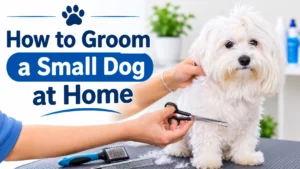
Small dogs are prone to scruffiness. Coats tangle easily and nails and teeth require more upkeep than many owners expect. Routine trips to a groomer help, but it can be stressful for a dog to take repeated trips, and it can get expensive. Fortunately, there are basic grooming tasks that you can do at home. You just need the right tools and are willing to do it yourself. This step-by-step plan will cover just that.
Why Regular Grooming Is Important for Small Dogs
Brushing is more than getting rid of mats before they form. Mats contain dirt, debris and moisture, which can lead to skin irritation and infection. Loose hair and dirt can also become mats.
Brushing long and/or curly coats also benefits the dog. The long and/or curly hair of breeds like Shih Tzus, Yorkies and Maltese become mats quickly. Nails of these breeds also don’t wear down like they should because they rarely touch the ground. Because of the small mouths, the teeth also don’t space out like they should and food gets trapped in between the teeth. Because of this, most dogs already have some stage of gum disease by the time they are 3 years old, according to the American Veterinary Medical Association.
Grooming also allows you to see if your dog has lumps or bumps, and if they’re having any issues with their skin or ears.
Essential Grooming Tools You’ll Need
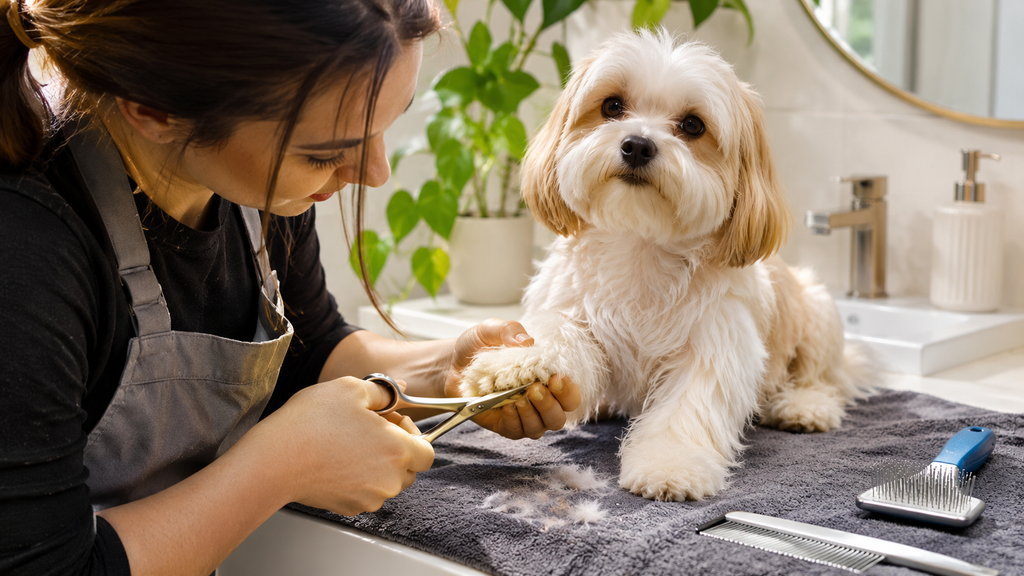
You don’t need a full salon setup. These basics will cover most home grooming:
- You won’t need to set up a full salon, of course. But these basics should cover any home grooming needs.
- A slicker brush, to remove snags and loose hair.
- A metal comb to check for knots close to the skin.
- Dog shampoo and conditioner. Human products could potentially irritate a dog’s skin.
- Nail clippers or grinder (made for small dogs).
- Styptic powder to stop a nail from bleeding if you cut it too short.
- Dog ear cleaner and cotton pads.
- A dog toothbrush and toothpaste.
- Round tip scissors for trimming around the eyes and paws.
- Two soft towels and a non-slip mat.
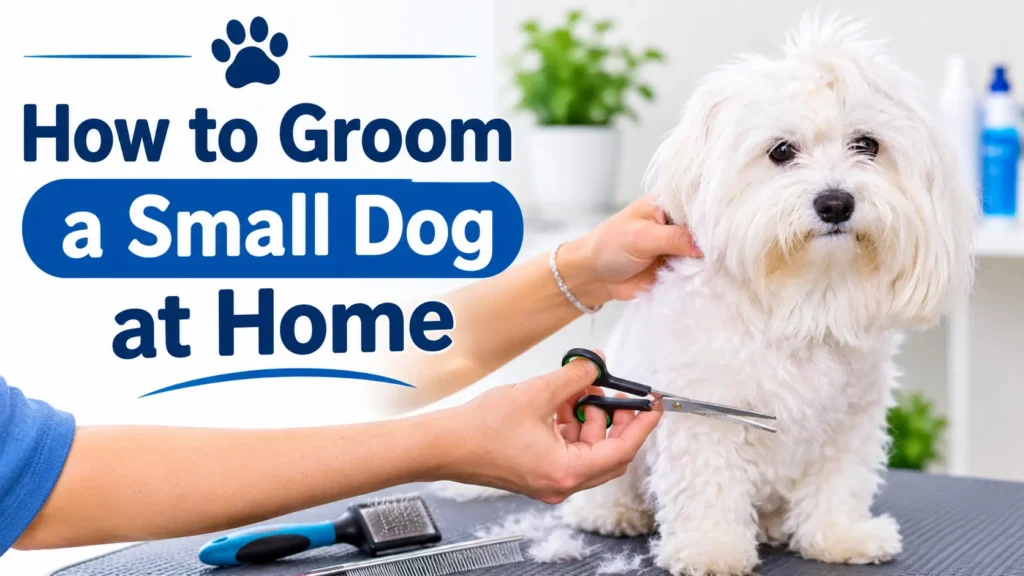
Step-by-Step Guide to Grooming Your Small Dog at Home
Find a quiet time when your dog is relaxed, for instance after a walk. Use a low table or counter with a non-slip mat. And never leave your dog alone on the counter or table.
Step 1: Brush Before the Bath
Brushing is best done before the bath. Water will make mats tighter. Working from head to tail is best. Always use the comb to check how close you are to the skin. Tight mats need to be held near the skin and pulled apart by hand.
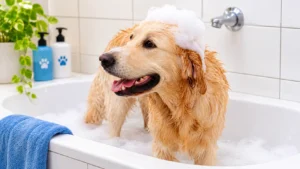
Step 2: Bathe Your Dog
Use lukewarm water, fully wet the coat and keep water away from the eyes and ears. Massage in a small amount of shampoo, then rinse. Leftover shampoo is a common cause of itchy skin. Rinse a second time even if the coat feels clean.
Step 3: Dry Your Dog Completely
To dry your small dog, press a towel into their coat to soak up the water. Rubbing back and forth can create new tangles. On the lowest heat setting, moving a hair dryer back and forth over your small dog will help them lose body heat quickly and dry them faster. Make sure that your small dog is completely dry before you take them outside.
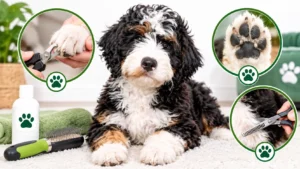
Step 4: Trim the Nails
Hold one paw gently and clip just the tips of the nails. In each nail is the quick which contains the blood vessels and nerves. On light nails it will be pink. On dark nails, you will have to trim little by little to see how far you need to go. If you cut it too far, you can use styptic powder on the tip to stop the bleeding.
Step 5: Clean the Ears
Moisten a cotton pad with some ear cleaner. Only wipe the visible part of the ear. Pushing anything deep into the ear canal is very bad. Ear infections and other problems can cause the ear to smell bad. If the ear smells bad, looks red, or has brown wax, it’s best to call the vet rather than cleaning the ear again.
Step 6: Clean Your Dog’s Teeth
You’ll need dog toothpaste for this. Human toothpaste isn’t safe for dogs to swallow. Lift the lip and use a small soft brush to do little circles where the teeth meet the gums. A dog that’s nervous about the tooth brushing may only allow a few teeth to be brushed the first time. Don’t worry about this.
Step 7: Finish With the Face and Paws
Trimming hair around eyes and between paw pads can be done with round-tip scissors. Always point the tips away from the dog. A treat and lots of praise will finish the job.
To learn more about safe hair trimming and other dog grooming techniques, contact a Professional Dog Grooming Academy. The courses teach you the methods and techniques that are integral to the success of a groomer.
Common Mistakes to Avoid When Grooming Small Dogs
Most owners make at least one of these mistakes:
- Bathing before brushing and locking in mats.
- Using human shampoo, which dries out the dog’s skin.
- Cutting nails too short and hitting the quick.
- Using hot air from a dryer.
- Rushing the grooming session if the dog is nervous.
- Trying to cut mats close to the skin, resulting in cuts.
If a mat is firmly adhering to the skin or is large, it is best to have it removed by a professional groomer.
How Often Should You Groom Your Small Dog?
Every dog is different. These are general guidelines for most small breeds:
| Grooming Task | How Often |
| Brushing | Daily for long coats, 2–3 times a week for short coats |
| Bathing | Every 3–6 weeks |
| Nail trimming | Every 3–4 weeks or when you hear them clicking on the floor |
| Ear cleaning | Every 1–2 weeks |
| Teeth brushing | Daily or at least 3 times a week |
| Paw and face trims | Every 2–4 weeks |
Dogs that have skin conditions may need special care, and your vet can guide you with that.
Final Thoughts
Grooming a small dog at home is easier than it seems once you get a routine going. Sessions should not be too long because your dog will get restless and lose interest. Use the right tools for the task at hand and reward your dog for good behavior. Stay calm and after a few sessions your dog will get used to it.
Begin with the basics like brushing and nails. Once those become easy for you both, you can add the bath, and then the ears and teeth. Consult your vet if you find something wrong before proceeding.