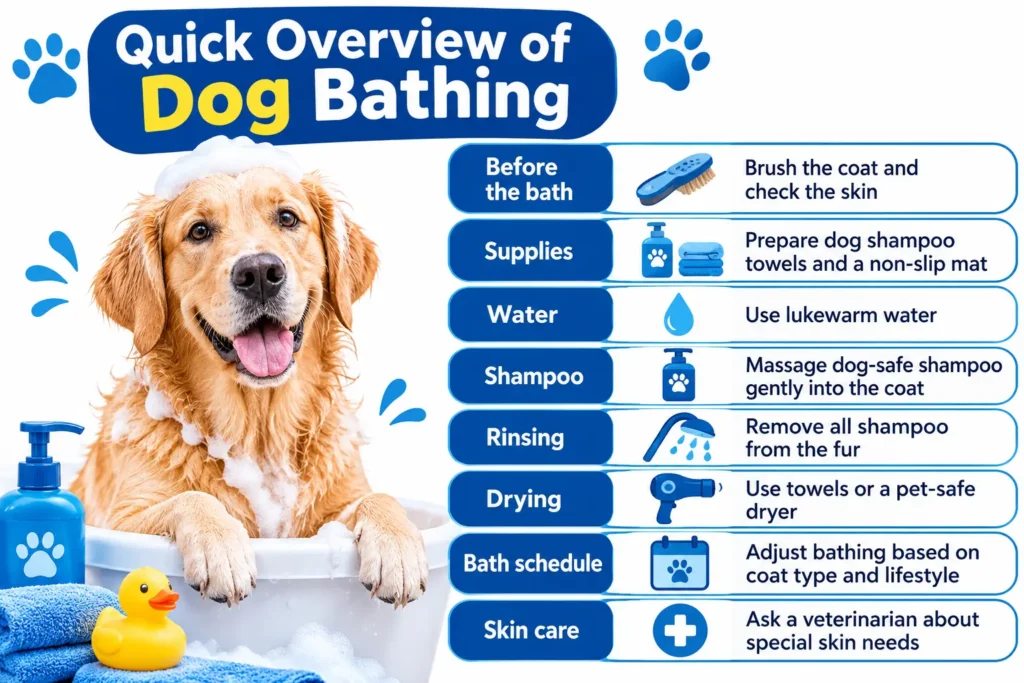
Bathing your dog at home is easy when you prepare everything before you start. A good bath helps remove dirt and loose hair. It also keeps your dog clean and fresh. Every dog is different. Some dogs need baths more often than others. This depends on their coat and daily activities.
Before giving your dog a bath make sure it feels calm and safe. Choose a warm place with enough room for your dog to stand. Use lukewarm water and shampoo made for dogs. Do not use human shampoo because it may cause dry or itchy skin.
In this guide you will learn how to brush your dog before a bath. You will also learn how to wash the coat and dry it the right way. We will also explain how often your dog needs a bath and what supplies you should prepare. These easy steps can help make bath time safe and simple for beginners.
Brush Your Dog’s Coat Before the Bath
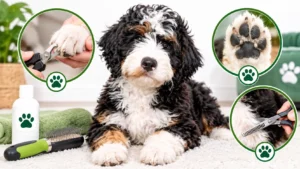
Brushing your dog before a bath helps remove loose hair and dirt. It also helps you find knots in the coat before they get worse when wet.
Use a brush or comb that works well for your dog’s coat. Short-haired dogs may need a soft brush. Long-haired dogs may need a comb or slicker brush. Brush gently and do not pull hard on knots because this can hurt your dog.
Pay more attention to areas where hair gets tangled easily:
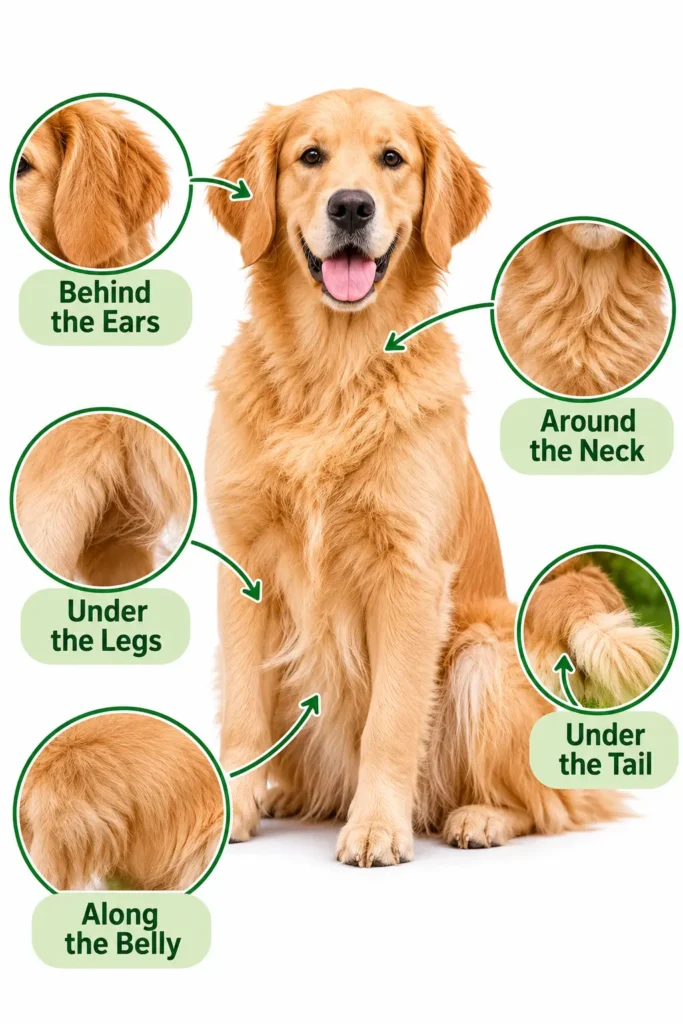
If you find a tight knot do not pull it hard. This can hurt your dog’s skin. Ask a groomer for help if the knot is too hard to remove or sits close to the skin.
Brushing also helps you check your dog’s skin. Look for red spots or dry skin. Check for bumps and small cuts too. If you find a sore area do not rub it during the bath. Ask your vet for advice if it looks painful.
A clean and brushed coat is easier to wash. Water and shampoo can also reach the fur more easily. Take your time and praise your dog during brushing. This can help your dog feel calm before bath time.
Gather the Supplies You Need Before Bathing Your Dog
After brushing your dog get all your bathing supplies ready. Keep everything close so you do not have to leave your dog alone in the tub. This will also help your dog stay calm during bath time.
Choose a place where your dog has enough room. A small dog can be washed in a sink. A large dog may need a bathtub. If you wash your dog outside make sure the weather is warm and the place is safe.
Here are the things you need:
- Dog shampoo: Use shampoo made for dogs. If your dog has sensitive skin ask your vet which shampoo is best.
- Dog conditioner: This is optional. It can help keep long hair soft and easy to brush.
- Towels: Keep two or more clean towels ready to dry your dog.
- Washcloth: Use it to gently clean your dog’s face.
- Brush or comb: Choose one that works well with your dog’s coat.
- Non-slip bath mat: Place it in the tub to help your dog stand without slipping.
- Cup or shower sprayer: Use it to wet and rinse your dog’s coat.
- Cotton balls: You can place them gently near the ears if needed. Never push them inside the ears.
- Treats: Give small treats to reward your dog for staying calm.
Do not use human shampoo or dish soap to wash your dog. These products can make the skin dry and itchy. Always choose a shampoo that is safe for your dog’s age and skin. If your dog needs medicated shampoo follow your vet’s advice.
Before starting place the mat in the tub and keep the towels and shampoo nearby. Speak in a calm voice and give your dog a few treats. This can help make bath time easier.
Wet Your Dog and Apply Dog Shampoo Properly
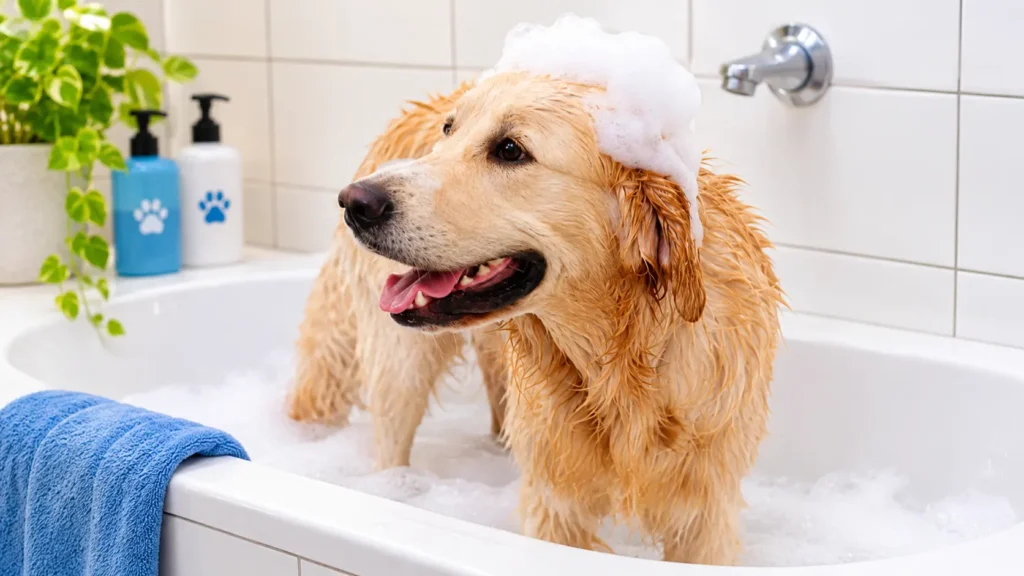
After brushing your dog and getting everything ready you can start the bath. First check the water with your hand. It should feel warm but not hot. Water that is too hot or too cold can make your dog uncomfortable.
Place your dog on the non-slip mat. Turn on the water slowly and let your dog get used to the sound. If your dog feels scared give it a short break and offer a treat. Never force your dog under a strong stream of water.
Wet Your Dog’s Coat Slowly
Start at the neck and move down the back and body. Wet the legs and belly with care. Use a cup or a gentle shower sprayer to spread water over the coat. Do not spray water directly on the face or ears.
Keep your dog’s head mostly dry. Water inside the ears can cause discomfort. Keep water away from the eyes and nose too.
Apply Dog Shampoo Gently
Read the shampoo label before using it. Use the amount that is right for your dog’s size and coat. Spread the shampoo over the wet fur and massage it gently with your hands. Start at the neck and move down the body and legs. Give extra care to dirty areas like the paws and belly.
Do not scrub too hard or pull the fur. Use your fingers to spread the shampoo through the coat. Be gentle around the belly and other sensitive areas.
To clean your dog’s face use a clean wet washcloth. Wipe the cheeks and muzzle gently. Keep soap away from the eyes and inside the ears.
Some special shampoos need to stay on the coat for a few minutes before rinsing. Always follow the label or your veterinarian’s advice.
Rinse and Dry Your Dog After the Bath
Rinsing is just as important as washing your dog. If shampoo stays on the coat it can make the skin itchy or dry. It can also make the fur feel sticky. Take your time and wash away all the soap.
Use lukewarm water with low pressure. Start at the neck and move down the back and sides. Rinse the belly and legs well. Check under the chest and around the legs because soap can stay in these areas. Keep rinsing until the water runs clear and no shampoo remains on the fur.
If you use conditioner follow the instructions on the bottle. Some conditioners need to be rinsed off while others can stay on the coat.
Dry Your Dog With a Towel
After the bath help your dog step out of the tub safely. Place a clean towel over the body and gently press it against the fur to soak up extra water. Do not rub too hard because this can cause tangles and hurt the skin.
Use a second towel if the first one gets too wet. Dogs with long or thick coats may take more time to dry. Pay extra attention to the belly and the areas between the legs because these parts can stay wet.
Use a Pet-Safe Dryer If Needed
A pet-safe dryer can help dry dogs with thick coats. Use a low setting and keep the dryer moving. Hold it away from the skin. Never use hot air because it can burn your dog’s skin.
Some dogs feel scared by the sound of a dryer. If your dog becomes nervous stop using it. Use towels and let your dog dry in a warm room.
When the fur is mostly dry brush it gently to remove loose hair and prevent tangles. Make sure the coat is fully dry near the skin. This is especially important for dogs with thick fur.
How Often Should You Give Your Dog a Bath?
There is no fixed bathing schedule for every dog. Some dogs stay clean for weeks while others get dirty sooner. How often your dog needs a bath depends on its coat and skin. It also depends on how much time your dog spends outside.
Many healthy dogs with normal skin can have a bath about once a month. Some dogs need fewer baths while others may need them more often. Check your dog’s coat and skin to know when it needs a bath.
Coat Type Can Affect Bathing Needs
Dogs with short hair may not need frequent baths. Regular brushing can remove loose hair and dirt. You can also use a damp cloth to clean small dirty areas.
Dogs with long or curly hair may need more grooming. Dirt can get trapped in their coat and their hair can form knots. Regular brushing helps keep the coat clean and smooth.
Dogs with thick coats also need regular brushing. This helps remove loose hair from under the coat. A bath alone cannot remove all the loose hair.
Outdoor Activities Can Affect Bathing Needs
Dogs that play outside or go for walks often may get dirty faster than dogs that stay indoors. Mud and dust can stick to their paws and coat. Swimming can also leave dirt in their fur.
Give your dog a bath when its coat becomes dirty or starts to smell bad. A little dirt does not always mean your dog needs a full bath. You can clean its paws with a damp cloth instead.
Signs Your Dog Needs a Bath
Look for these signs to know when your dog needs a bath:
- Your dog has a bad smell.
- Dirt is stuck in its coat.
- Its paws and belly are covered in mud.
- Its coat feels oily or dirty.
- It has picked up dirt during outdoor play.
Do not bathe your dog too often. Too many baths can remove the natural oils that protect its skin and coat. This can make the skin dry and itchy.
If your dog has allergies or skin problems ask your veterinarian how often it needs a bath. Some dogs need special shampoo or a different bathing schedule. Follow your veterinarian’s advice to keep your dog’s skin healthy.
How to Make Bath Time Easier for a Nervous Dog
Some dogs like water but others feel scared when they see the bathtub. Your dog may shake or try to run away. You can make bath time easier by helping your dog feel safe.
First let your dog look around the dry bathtub. Give a treat when your dog stands inside or stays calm. Later add a little water and let your dog get used to it. Keep these practice times short and easy.
During the bath use a calm voice and move slowly. Keep the water pressure low. Give your dog a short break if needed. If your dog gets too scared stop the bath and try again another time.
Here are some easy tips:
- Let your dog check the bathtub before the bath.
- Give treats for calm behavior.
- Use gentle water pressure.
- Do not shout or pull your dog.
- Ask someone to help if needed.
If your dog is very scared or tries to bite ask a vet or dog groomer for help. Always keep your dog safe and calm during bath time.
Final Thought
Giving your dog a bath at home is easy when you get everything ready first. Brush your dog before the bath and use shampoo made for dogs. Wet the fur slowly and keep water away from the eyes and ears. Rinse the coat well and dry your dog with clean towels.
Every dog needs a bath at a different time. Some dogs need a bath once a month. Others may need it sooner or later. Check your dog’s coat and skin to know when it needs a bath. If your dog has a skin problem ask your vet for advice. Regular bathing helps keep your dog clean and happy.