The first time I met an American Bulldog up close was at a friend’s farm out past the edge of town. His head was as big as a brick block and he stood there like he owned the whole place. Then he walked over and leaned his whole body against my leg like a big lap dog. That contradiction pretty much sums up this breed.
American Bulldogs look tough because they really are tough. These dogs were made for hard work like chasing farm animals and guarding land. But under all that muscle is a goofy loving dog that just wants to stay close to its people.
This guide covers everything you actually need to know before bringing one home. History temperament size colors exercise feeding grooming and health problems all get covered based on real research and firsthand experience with the breed. If you are still not sure whether an American Bulldog fits your life this should help you decide.
| Factor | What You Should Know |
| Size | Medium to large muscular breed |
| Height | 20 to 28 inches depending on type |
| Weight | 60 to 120 pounds |
| Lifespan | 10 to 12 years |
| Coat | Short and low shedding |
| Temperament | Loyal protective and affectionate with family |
| Exercise needs | 1 to 2 hours daily |
| Best for | Experienced active owners |
| Common health issues | Hip dysplasia allergies and skin conditions |
This breed traces back to working bulldogs brought over by British settlers as early as the 17th century. Those original dogs looked pretty different from what we see today since they crossbred heavily with other working dogs once they landed on American soil.
Farmers in the South used these dogs for just about everything. Guarding property chasing loose cattle catching feral hogs and protecting the family from predators. Breeding decisions back then focused entirely on ability rather than appearance since nobody cared what a working dog looked like as long as it got the job done.
The breed nearly disappeared after World War Two. A couple of dedicated breeders spent years traveling backroads through the southern states looking for the best surviving examples to rebuild the bloodline. Their work is honestly the reason this breed still exists today.
Official recognition came later than you’d expect. The United Kennel Club first recognized the American Bulldog as a breed in 1999. The American Kennel Club added it to their Foundation Stock Service back in 2019 which is a step before full recognition. Neither the FCI nor most European kennel clubs currently recognize it as a standalone breed which sometimes surprises people outside the States.
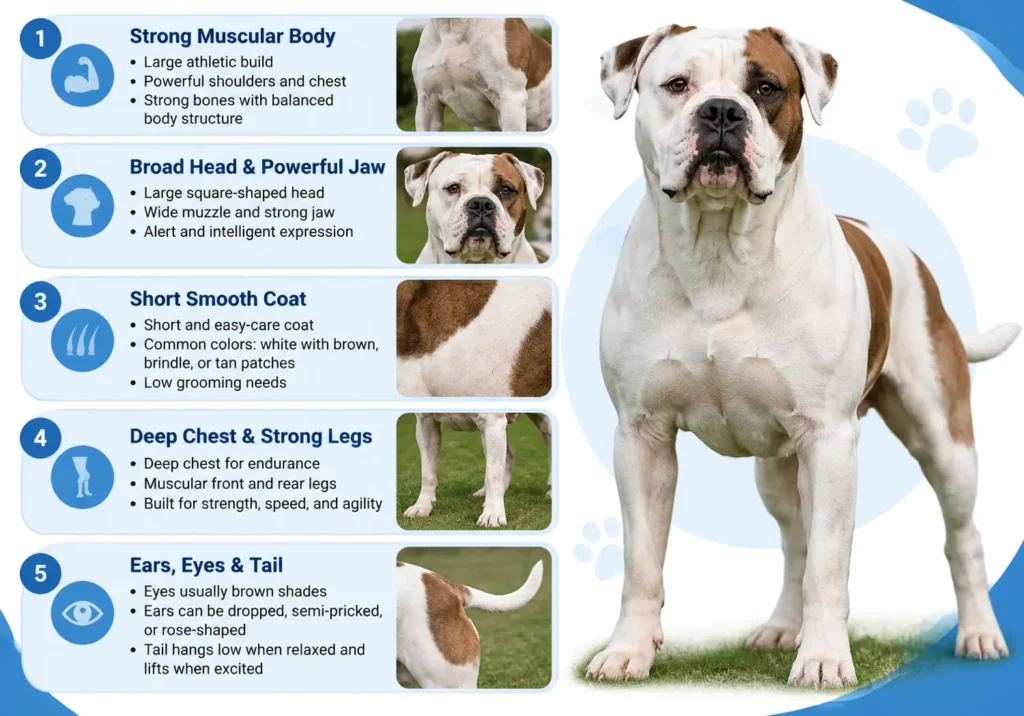
Before diving into looks here are two lists worth saving since they cover details a lot of guides skip entirely.
Physical traits that define the breed:
Two recognized types within the breed:
Most American Bulldogs today are actually a mix of both types often called hybrid. This gives a lot of variation in how individual dogs look even within the same litter.
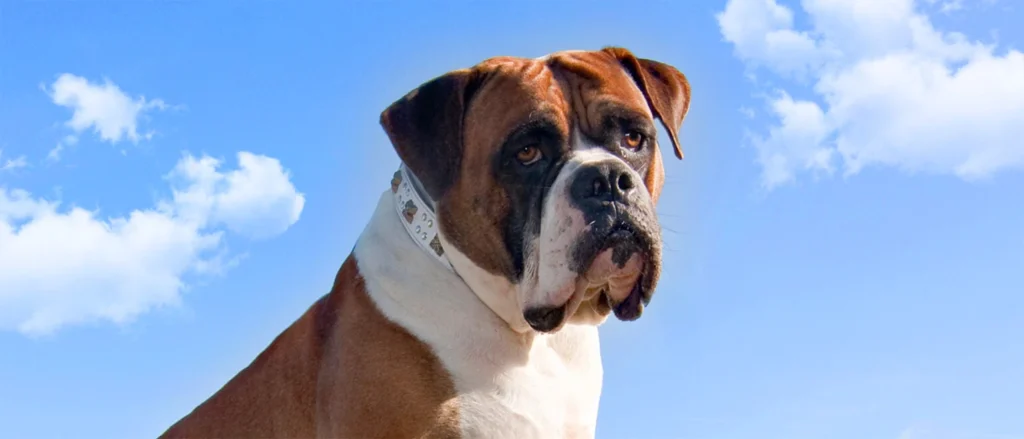
The head is really where this breed makes its statement. Broad flat skull strong jaw and an expression that comes across as alert and intelligent rather than aggressive. Eyes usually run somewhere between light and dark brown and ears can be dropped semi pricked or rose shaped depending on the individual dog.
One thing nobody warns you about enough is the drool. These dogs produce more slobber than a lot of other breeds especially after drinking water or during hot weather. Based on my experience around a few of these dogs keeping a towel near the water bowl just becomes part of daily life.
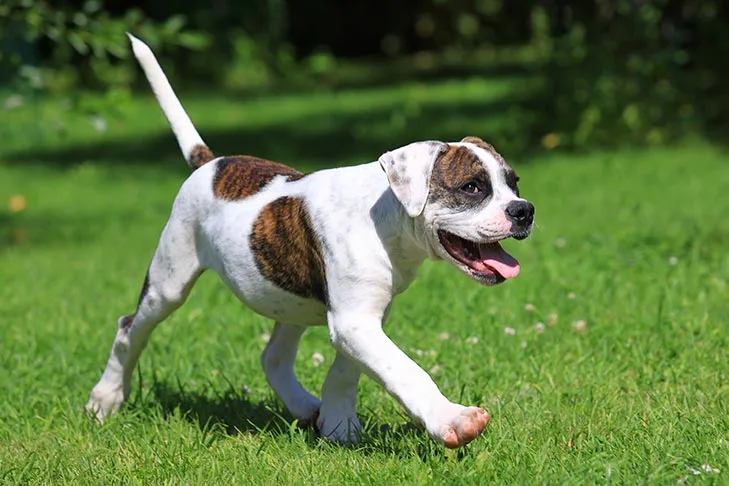
Size varies more in this breed than most people expect. Standard type males typically run between 22 to 25 inches at the shoulder while females sit a bit shorter around 20 to 23 inches. Weight tends to land somewhere between 60 to 100 pounds though it really depends on which type and lineage you’re looking at.
Classic or Bully type dogs often run heavier and stockier, sometimes reaching close to 120 pounds in larger males. Growth continues at a noticeable pace through the first year but full physical maturity including bone and joint development often doesn’t finish until around 18 months to two years old.
That slower maturity timeline matters a lot for exercise planning. Many trainers actually recommend holding off on serious athletic training like agility or long distance running until around 16 months, giving hips and joints enough time to develop properly first.
The coat itself is short close and low maintenance, needing only a weekly brush and an occasional bath. What varies a ton is color and pattern.
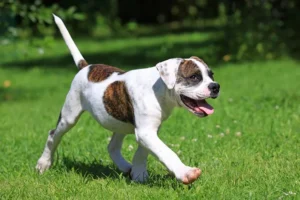
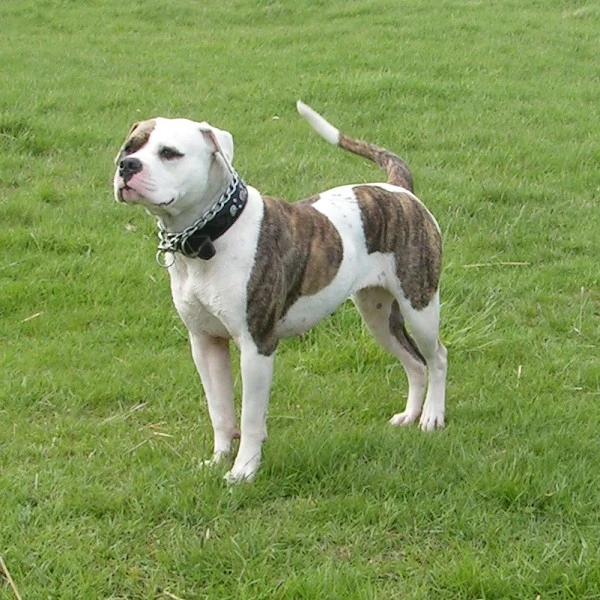
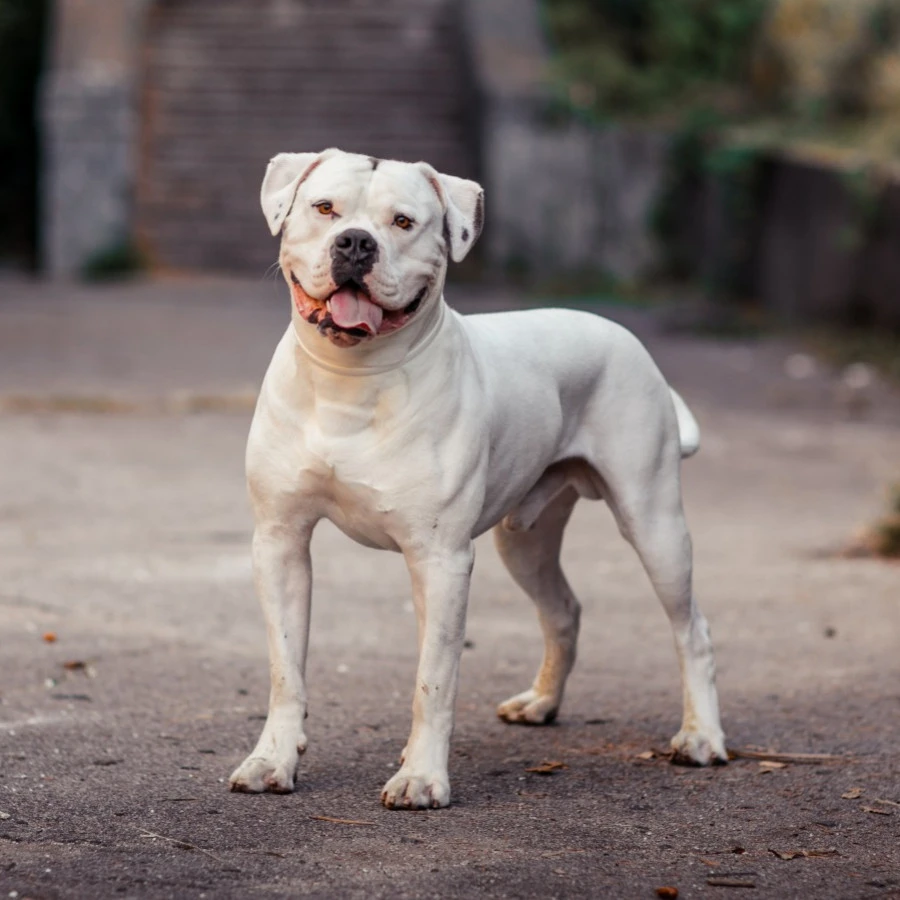
Traditionally this breed leaned heavily white with patches of red black or brindle. These days you’ll see a much wider range including solid white white and black white and brown white and red and various brindle combinations. Some organizations disqualify solid black dogs or any merle pattern since those fall outside accepted breed standards.
Nose pigmentation should ideally be black though some pink is allowed around the lips and nose without being considered a serious fault. White dogs specifically can sometimes carry a higher risk of hearing issues so responsible breeders often test for this before placing puppies.
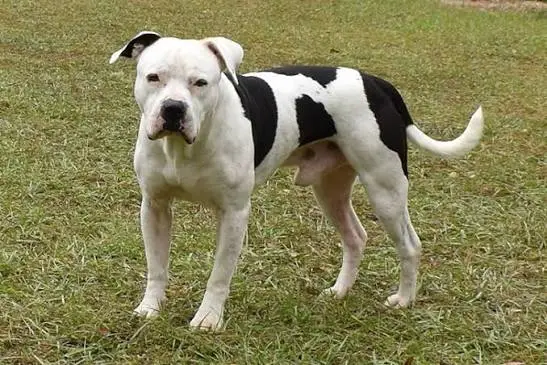
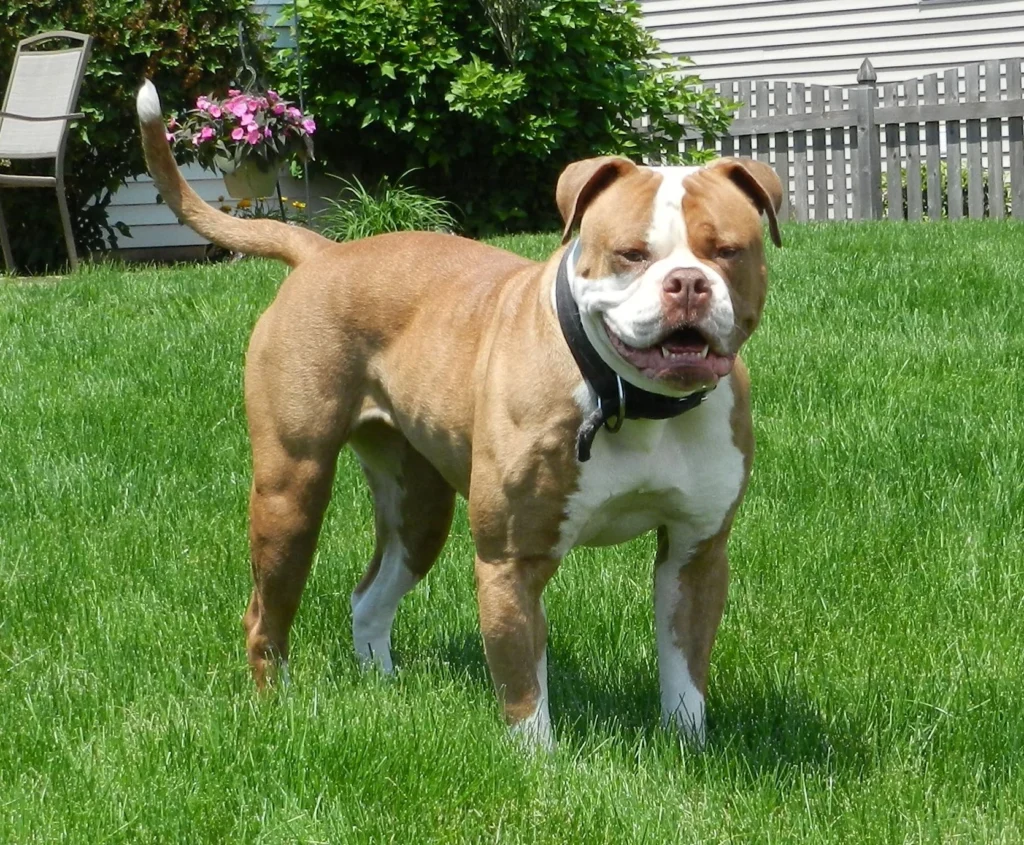
Yes for the most part, though this comes with some real caveats worth understanding upfront. These dogs bond incredibly hard with their families and genuinely seem to enjoy being close to their people almost constantly.
They tend to do well with children who already know how to behave respectfully around dogs. That said their sheer size and strength means a rowdy adolescent American Bulldog could accidentally knock over a small toddler during play without meaning any harm at all. Households with older kids or teens usually see the smoothest experience.
Strangers are a different story though. This breed tends toward natural wariness with unfamiliar people until their family accepts someone into the fold. Early socialization makes a massive difference here, and skipping it tends to create a much more suspicious or reactive adult dog down the road.
Other pets require careful thought too. Early socialization with other dogs and cats generally leads to a good outcome, but same sex dog aggression can develop as these dogs mature even in well socialized individuals. Supervision around smaller animals matters a lot given this breed’s naturally strong prey drive.
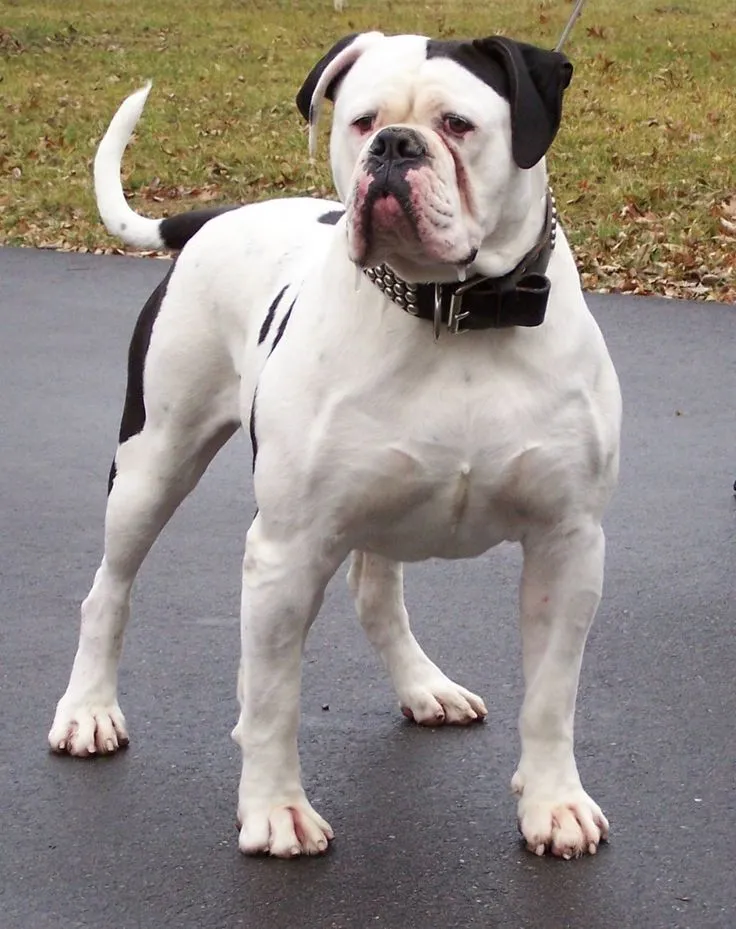
This is not a low energy couch companion. Full grown American Bulldogs typically need one to two hours of exercise daily, mixing brisk walks off leash running in secure areas and interactive games that actually challenge them mentally.
These dogs genuinely love strength based activities. Tug of war weight pulling and agility work all tend to be huge hits. A sturdy harness and leash become essential gear given how strong these dogs are, especially if something exciting catches their attention mid walk.
Mental stimulation matters just as much as physical exercise. Puzzle toys scent work and games of hide and seek with treats all help keep that sharp brain occupied. Based on general best practices among experienced owners, a bored American Bulldog without enough outlets tends to become a genuinely destructive one, chewing through furniture or barking excessively out of sheer frustration.
A species appropriate diet for this breed leans heavily on quality protein whether you’re feeding dry kibble wet food or a mix of both. Meat should sit as the first listed ingredient, and grain free formulas tend to work better for dogs prone to skin sensitivity, which this breed unfortunately deals with fairly often.
Adult dogs typically do best eating twice daily rather than free feeding throughout the day. These dogs can be genuinely food motivated to the point of overeating given the chance, so portion control matters a lot for preventing obesity over time.
Resting after meals is worth mentioning too since deep chested breeds like this one carry some risk of gastric torsion, a serious condition tied to activity right after eating. Letting your dog settle for a bit post meal is a simple habit that costs nothing but genuinely helps.
Fresh water should stay available constantly, and treats need to fit within the daily calorie count rather than being handed out freely. High quality options like dental chews or freeze dried treats tend to work better than anything loaded with fillers.
Coat care stays pretty simple thanks to that short smooth fur. A weekly brush with a soft bristle brush or grooming glove handles most shedding, and baths only need to happen when your dog actually gets dirty rather than on a strict schedule.
Skin folds and facial wrinkles need daily attention though since bacteria loves to grow in those damp little pockets. A soft damp cloth wiped through these areas prevents irritation and infection from building up over time.
Ears deserve regular checking too given how floppy eared breeds tend toward more frequent ear infections. A gentle wipe with a soft pad around the outer ear helps, though nothing should ever go down into the actual ear canal.
A few more grooming basics worth building into a routine:
Average lifespan for this breed sits around 10 to 12 years with proper care. Like most large muscular breeds though there are some recurring health concerns worth knowing about before bringing one home.
Hip and elbow dysplasia show up fairly commonly, caused by improperly fitted joints that can lead to arthritis and mobility issues over time. Responsible breeders screen for this before breeding, so asking about hip scores on the parents is a completely reasonable question to bring up.
Allergies are another big one for this breed, often triggered by food or environmental factors like pollen and dust. Signs include itchy skin excessive licking recurring ear infections and general skin redness. A vet visit is worth it the moment these symptoms show up rather than waiting to see if they resolve on their own.
A rarer but more serious condition called ichthyosis can affect some puppies, causing flaky itchy skin due to a genetic mutation. Severe cases require daily bathing and oiling, though responsible breeders typically test for this condition ahead of time to avoid passing it along.
Routine vet visits at least once yearly help catch these issues early, with senior dogs needing more frequent checkups as they age past seven years old.
Honestly this breed isn’t for everyone and that’s worth being upfront about. Training requires genuine confidence and consistency since these dogs will absolutely take charge of a household that doesn’t provide clear leadership. First time dog owners often struggle more than they expect with a breed this strong willed.
Living situation matters too. City apartments rarely work well for a dog this active and powerful. A house with secure fencing and some outdoor space suits this breed far better, especially since some individuals can clear fences well over six feet if motivated enough.
If you’ve got the time for serious daily exercise the patience for consistent training and a household structure that can handle a large confident dog, an American Bulldog can become an incredibly devoted companion. If any of those pieces feel shaky though, it’s worth being honest with yourself before bringing one home rather than after.
American Bulldogs really do earn every bit of their reputation once you spend real time with one. That tough exterior hides a genuinely loyal and affectionate dog that wants nothing more than to be close to its family.
If you’re seriously considering this breed take the time to research reputable breeders or check local shelters for dogs already looking for homes. Talk to current owners if you can. Most people who commit to raising one properly say the effort is absolutely worth it once that bond fully forms.
Are American Bulldogs good with children?
Yes when properly socialized and trained American Bulldogs tend to be loyal and affectionate with children they know well. Their size and strength means supervision stays important though since an excited dog could accidentally knock over a smaller child during play. Households with older kids who understand how to interact respectfully with dogs usually see the smoothest results overall.
How much exercise does an American Bulldog need daily?
Full grown American Bulldogs typically need one to two hours of exercise every day. This should mix brisk walks off leash time in secure areas and mentally engaging activities like puzzle toys or scent work. Without enough physical and mental stimulation these intelligent dogs can become destructive or develop unwanted behaviors out of pure boredom and frustration.
What health problems are common in American Bulldogs?
Hip and elbow dysplasia show up fairly often in this breed along with skin allergies and occasional ear infections. A rarer genetic condition called ichthyosis can affect some puppies causing flaky itchy skin. Responsible breeders typically screen for these issues before breeding which is why buying from a reputable source matters so much.
Is an American Bulldog a good choice for first time dog owners?
Generally no this breed tends to work better for owners who already have experience handling large strong willed dogs. Training requires consistency confidence and early socialization to prevent dominant or overly wary behavior from developing. Without that experienced guidance an American Bulldog can become genuinely difficult to manage as it matures into adulthood.
How long do American Bulldogs typically live?
Most American Bulldogs live somewhere between 10 to 12 years when given proper care nutrition and regular veterinary attention. Genetics diet and exercise all play a role in how long an individual dog lives comfortably. Routine checkups become especially important once a dog crosses into senior years around age seven to catch any developing health issues early.