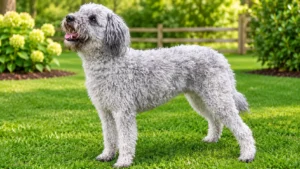
The Pumi is an active Hungarian herding dog with a curly coat and an alert face. It is a medium-sized breed that is smart and always ready to learn. Pumis were first bred to herd sheep and other livestock. Today they can also make good family pets when they get enough exercise and training.
A Pumi is not a quiet or low energy dog. It enjoys staying active and learning new things. It may bark to alert its family and can become bored when left without activities. Daily walks are important but this breed also needs playtime and mental activities to stay happy.
This guide covers the Pumi dog breed from its history in Hungary to its daily care needs. You will learn about its size and personality as well as training and grooming. It also covers common health problems and the cost of owning a Pumi in the United States. This information will help you decide if a Pumi is the right dog for your home and lifestyle.
History and Origin of the Pumi Dog
The Pumi developed in Hungary during the 17th and 18th centuries. Hungarian shepherds needed a fast and active dog to help manage livestock in small fields and narrow paths. They wanted a dog that could move sheep and cattle and follow commands from a distance.
The Pumi developed from older Puli-type herding dogs and dogs brought to Hungary from parts of France and Germany. These dogs helped shape its alert personality and active working style. The Pumi became useful for herding sheep and cattle and moving pigs. It could gather livestock and guide animals through tight spaces.
The Pumi and Puli share a similar history. For many years people considered them types of the same Hungarian herding dog. Over time their different looks and coats helped people recognize them as separate breeds. The Puli has a long corded coat while the Pumi has a wavy or curly coat that does not form cords.
The breed received its first written standard in the early 20th century. It was recognized as a separate breed in 1920. An international breed standard followed in 1935. Later the Pumi spread beyond Hungary and became known as both a working dog and a companion.
Pumi Dog Appearance and Physical Characteristics
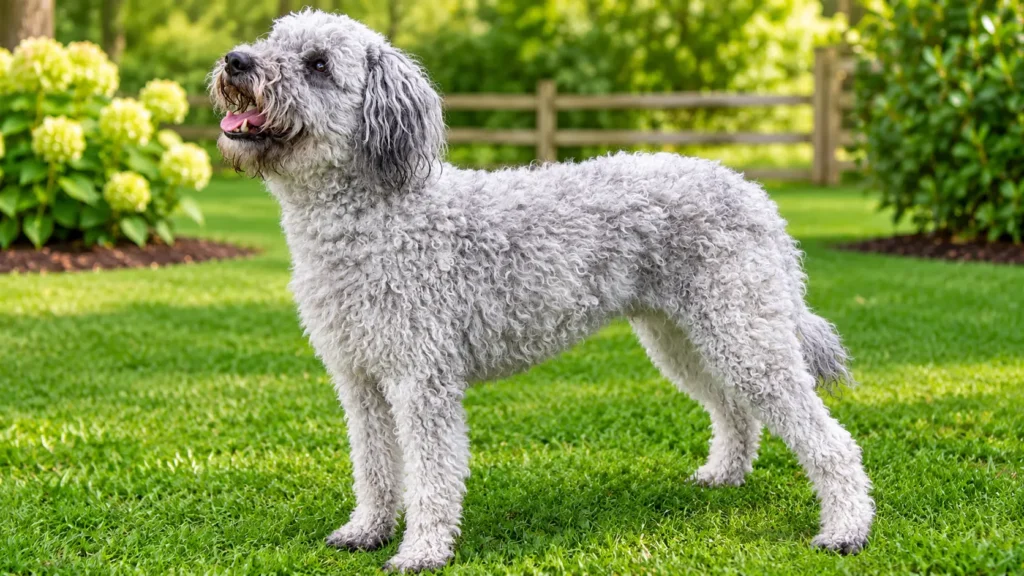
The Pumi has a square and athletic body. It is light on its feet but has strong muscles that help it run and turn quickly. Its long head and lively face give it a curious look.
Its coat is one of its most noticeable features. It has a soft undercoat and a rougher outer coat. The hair forms waves and loose curls across the body. It should look natural and slightly shaggy rather than smooth or tightly curled.
The ears are another feature that makes the Pumi easy to recognize. They stand upright but fold forward at the tips. The ears move quickly when the dog hears a sound or notices something nearby. Its tail sits high and forms a loose circle over its back when alert.
Common coat colors include:
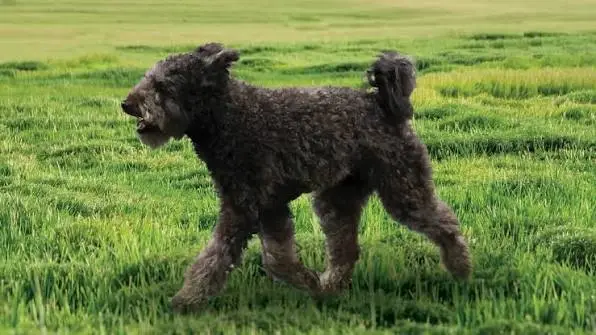
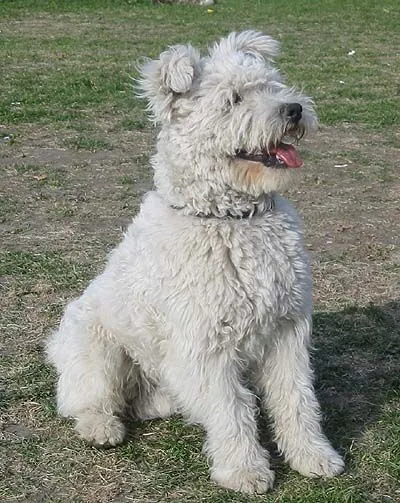

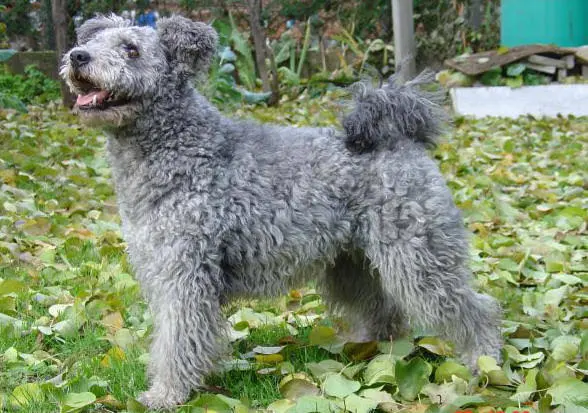
Male and female Pumik look very similar. Males are usually a little taller and heavier. Both have the same curly coat and alert expression.
Pumi Dog Size Height and Weight
The Pumi is a medium-sized dog with a compact and strong body. It is not a tiny lap dog. Its size helps it move quickly and work with livestock.
| Measurement | Male Pumi | Female Pumi |
| Height | 16–18.5 inches | 15–17.5 inches |
| Ideal weight | 27–29 pounds | 22–24 pounds |
These measurements follow the breed standard. Some Pumis may weigh slightly more or less depending on their body size and activity level.
Pumi puppies grow quickly during their first few months. Most reach close to their full height within the first year. Their bodies may continue to fill out as their muscles develop. Many Pumis reach their adult size at around 12 months.
Genetics has a big effect on a Pumi’s adult size. Good food and proper care also help support healthy growth. Feed your puppy a balanced diet made for growing dogs. Do not try to make your puppy gain weight too quickly. Your veterinarian can help you check its weight and growth.
Pumi Dog Temperament and Personality
The Pumi is an active and alert dog. It enjoys spending time with people and often becomes very close to its family. This breed likes to stay busy and take part in daily activities rather than rest all day.
Because of its herding background the Pumi pays close attention to movement. It may chase running animals or try to herd children and other pets. Early training can help teach it to behave well around them.
A well-socialized Pumi can get along with children and other dogs. However young children should always be supervised around dogs. Introduce new pets slowly and reward calm behavior.
Pumik can be careful around strangers. They often notice new people and sounds quickly. This makes them good watchdogs but they may bark too often. Teach your dog a quiet command early and reward it when it stops barking.
The Pumi can be a good choice for a first-time owner who is willing to provide regular training and exercise. However it may not suit someone who wants a quiet dog with low activity needs.
Pumi Dog Training and Intelligence
The Pumi is intelligent and learns quickly. It can learn new commands when training is clear and rewarding. However its active mind may cause it to lose interest in long or repeated lessons.
Start training your Pumi as soon as you bring it home. Keep each lesson short and practice every day. Use praise and small treats to reward good behavior.
Important training goals include:
- Potty training: Follow a regular bathroom schedule.
- Leash training: Teach your dog to walk without pulling.
- Recall training: Teach your dog to come when called.
- Basic commands: Practice sit and stay.
- Good manners: Teach your dog to greet people without jumping.
- Calm behavior: Help your dog settle down instead of barking at every sound.
Positive reinforcement works well for this breed. Avoid harsh punishment because it can make your dog nervous and affect its trust in you. Give clear commands and reward your Pumi when it responds correctly.
Recall training is especially important because Pumik may chase moving animals. Practice in a safe enclosed area before allowing your dog more freedom. A secure fence is also helpful because Pumik can be curious and enjoy exploring.
Pumi Dog Exercise and Activity Needs
The Pumi needs regular daily exercise. A long walk is helpful but walking alone may not be enough. This breed was developed to work for many hours each day. It needs physical activity and mental exercise to stay healthy and happy.
Most adult Pumik need about 60 to 90 minutes of activity each day. Some may need more depending on their age and energy level. You can divide this time between walks and play sessions.
Good activities for a Pumi include:
- Walking and hiking
- Playing fetch and tug
- Finding hidden toys
- Using food puzzles and scent games
- Agility and herding activities
Puppies need shorter and gentler play sessions. Do not make them run long distances or jump too often while their bones and joints are still growing.
A Pumi that does not get enough exercise may bark more or chew household items. It may also become restless and harder to manage. Give your dog enough exercise and fun activities every day.
Pumi Dog Grooming and Coat Care
The Pumi coat needs regular care to prevent tangles and mats. Its curly hair can hold loose hair and dirt even though this breed sheds very little.
Check your Pumi’s coat several times a week. Use your fingers or a suitable comb to gently remove small tangles before they turn into tight mats. Pay extra attention to the areas behind the ears and around the legs.
The coat also needs occasional trimming to keep it neat. Avoid cutting it too short because its natural waves and curls are part of its look. After a bath let the coat air dry so the curls can keep their natural shape.
Other basic grooming tasks include:
- Bathe your Pumi when its coat gets dirty or starts to smell.
- Check its ears and clean them when needed.
- Trim its nails when they get too long.
- Brush its teeth several times a week.
- Check its skin for irritation or parasites.
Pumis are known as low-shedding dogs. However no dog is completely free from shedding. Regular grooming helps control loose hair and keeps the coat clean and healthy.
Pumi Dog Health Problems and Lifespan
A healthy Pumi usually lives for about 12 to 13 years. Some Pumis may live longer with proper care and regular vet visits. This breed is generally healthy but it can still develop some inherited health problems.
Some health problems to watch for include:
- Hip dysplasia: The hip joint does not develop properly. This can cause pain and make walking difficult.
- Patellar luxation: The kneecap moves out of its normal position. Your dog may limp or skip while walking.
- Degenerative myelopathy: This disease affects the spinal cord over time. It can cause weakness in the back legs.
- Eye problems: Some inherited eye conditions can affect vision and may get worse with age.
Responsible breeders test their dogs for common inherited health problems. Ask to see health records before buying a puppy. A good breeder should also share information about the puppy’s parents.
Regular vet visits can help find health problems early. Keep your Pumi’s vaccinations and parasite prevention up to date. Watch for changes in appetite or movement. Contact your vet if your dog shows signs of pain or discomfort.
A healthy Pumi should have clear eyes and a clean coat. It should walk comfortably and show interest in food and daily activities.
Pumi Dog Feeding and Nutrition
The Pumi needs a balanced diet to stay healthy and active. Choose dog food based on your Pumi’s age and activity level. Puppies need food that supports growth. Adult dogs need food that helps maintain strong muscles and a healthy weight.
The right amount of food depends on your dog’s weight and the calories in its food. Check the feeding guide on the package to find a good starting amount. You can adjust the portion with help from your veterinarian.
A general feeding routine may look like this:
| Age | Daily Meals |
| 8–12 weeks | 3–4 small meals |
| 3–6 months | 3 meals |
| 6–12 months | 2–3 meals |
| Adult | 2 meals |
Choose dog food with quality protein and healthy fats. Your Pumi also needs vitamins and minerals for strong bones and good health. Always keep fresh water available.
Treats are useful during training but give them in small amounts. Too many treats or large meals can cause weight gain. Check your Pumi’s body shape regularly. You should be able to feel its ribs without pressing hard.
Living With a Pumi Dog: Home Family and Lifestyle
A Pumi can live in an apartment or a house with a yard. The size of your home is less important than giving your dog enough exercise and attention. If you live in an apartment you should plan daily walks and playtime.
A fenced yard gives your Pumi more room to move around. However it does not replace daily walks or training. Make sure the fence is secure because Pumis are active and curious dogs.
Pumis can be good family pets when children learn to treat them gently. Introduce them to other pets slowly and watch their early interactions. Their herding instincts may cause them to chase smaller animals.
Pumis enjoy spending time with their families. They may become bored if left alone for too long. Start by leaving your dog alone for short periods and slowly increase the time. Give it safe toys and a comfortable place to rest. If you work long hours a midday visit can help.
Pumis can live in different weather conditions with proper care. Provide shade and fresh water during hot weather. In cold weather give your dog a dry and warm place to rest. Watch for signs that your dog is too cold.
Pumi Dog Price and Ownership Costs
Pumi puppies are not easy to find in the United States because this is a rare breed. Finding a good breeder may take some time. A Pumi puppy from a responsible breeder may cost around $2,000 to $3,000 or more. The price depends on the breeder’s location and the puppy’s family background.
Adoption is another option and may cost less. You can check breed-specific rescue groups and local animal shelters. However finding a Pumi through adoption may be difficult because the breed is not very common.
Remember that buying a puppy is only one part of the cost. You also need money for food and supplies and regular care.
| Expense | Estimated Cost in the USA |
| Puppy from breeder | 2,000–3,000+ |
| Adoption fee | 50–300 |
| Food each month | 40–80 |
| Grooming each month | 40–80 |
| Routine vet care | Varies by clinic |
| Initial supplies | 150–400 |
These are general cost estimates. Actual prices may vary by location and provider. Vet visits can cost more if your dog needs extra tests or treatment. You may also need to pay for training classes and pet insurance.
Before buying a Pumi puppy ask the breeder about health tests and the puppy’s parents. If possible meet the mother and see where the puppies are raised. Choose a breeder who keeps the dogs in clean conditions and answers your questions. Avoid sellers who rush you into making a payment.
Final Thought
The Pumi is a smart and active Hungarian herding dog with a curly coat and a playful personality. It can make a loving family pet when it gets enough exercise and attention. Pumis are quick learners and enjoy training. However they have lots of energy and need daily activity.
Before bringing a Pumi home think about how much time you can spend on walks and play. You should also be ready to groom its coat and start training early. With proper care and regular activity a Pumi can be a great companion for an active family.