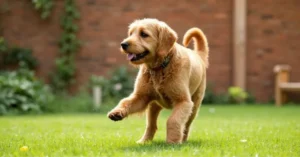
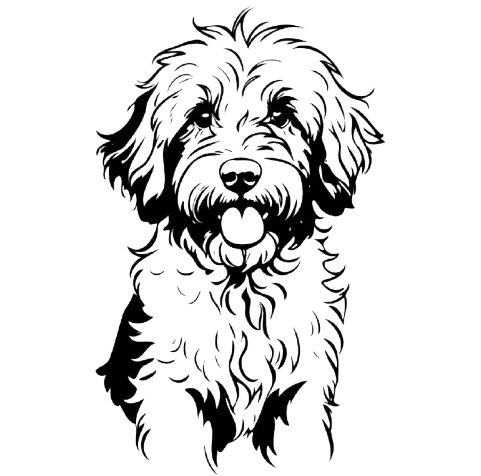
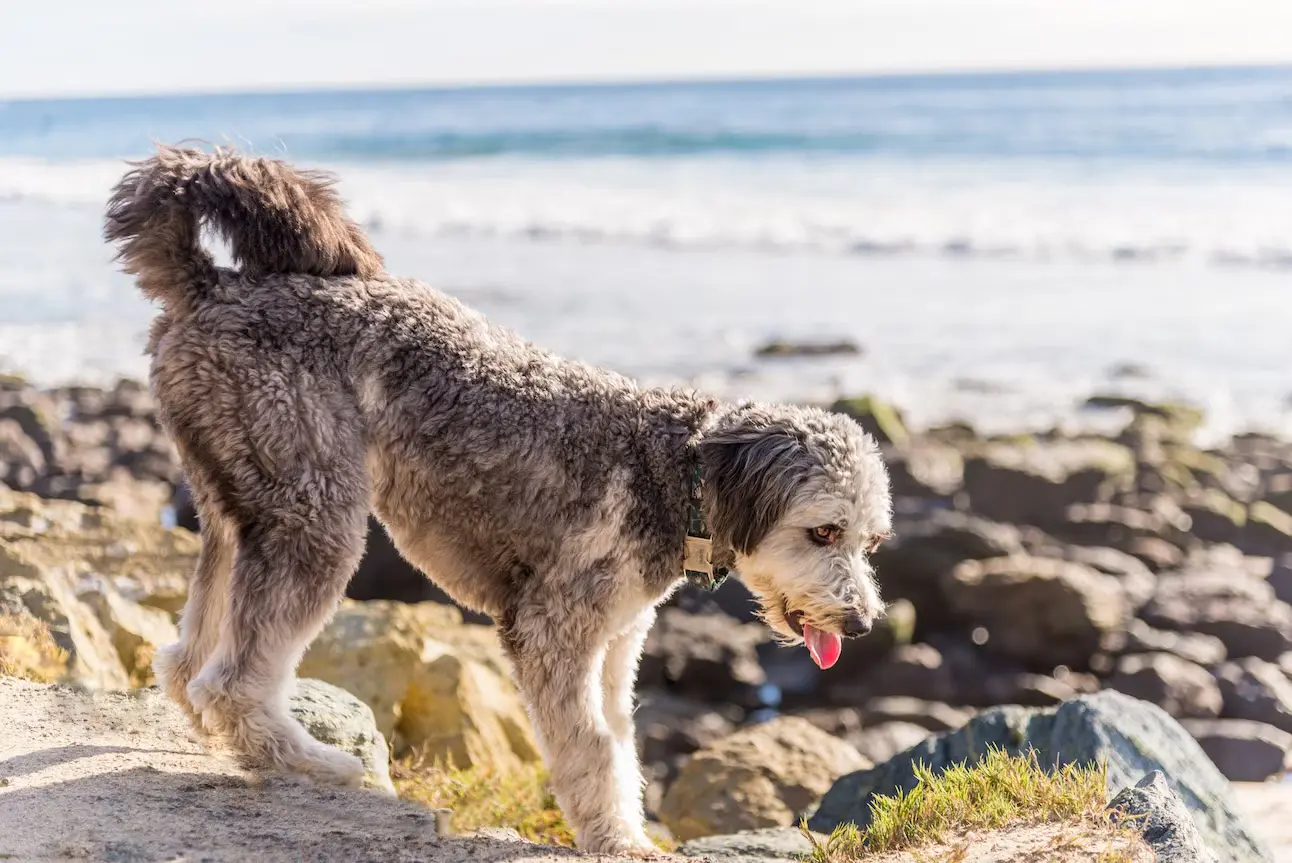
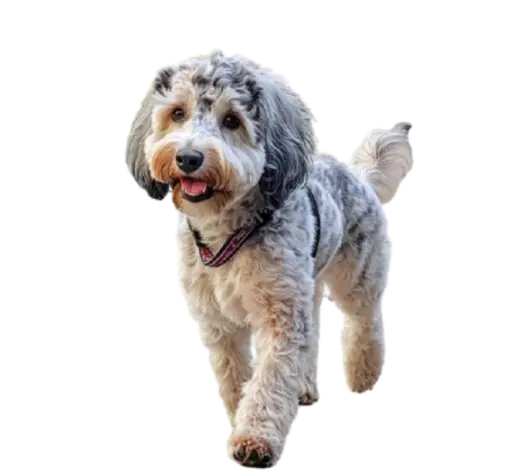
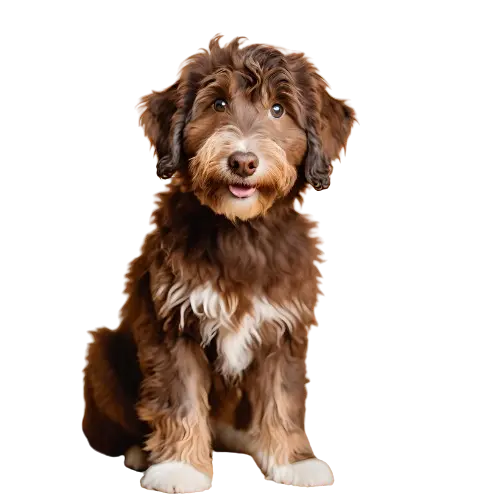
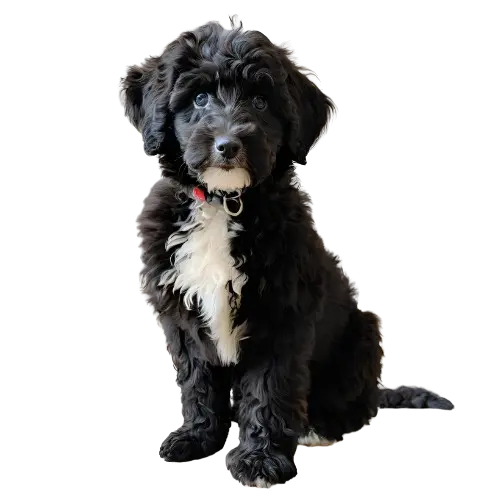
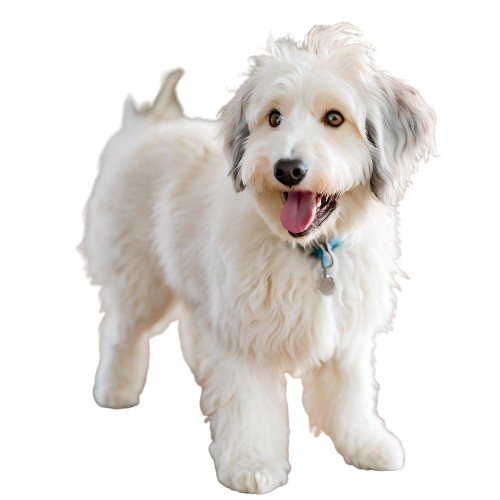
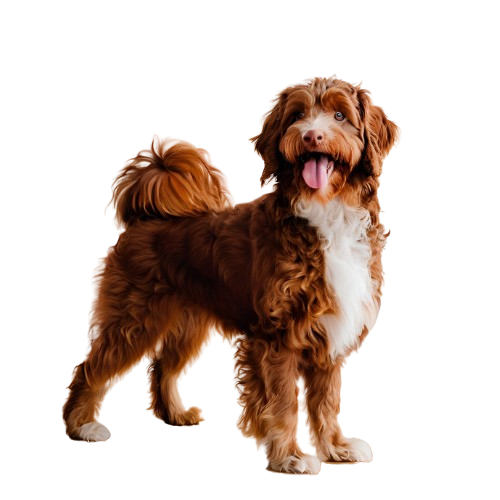
The Aussiedoodle is a smart energetic dog. But before bringing an Aussiedoodle into your home in the United States. It is important to understand how its care needs fit your lifestyle and climate. From hot states like Texas to colder regions like New York. Aussiedoodles require proper groomingexercise and seasonal care to stay healthy and happy. In this complete guide you will learn about Aussiedoodle size, temperament, grooming needs, training and the real cost of owning one in the U.S. So you can decide if this active and loving dog is the right fit for your home.
Quick Overview
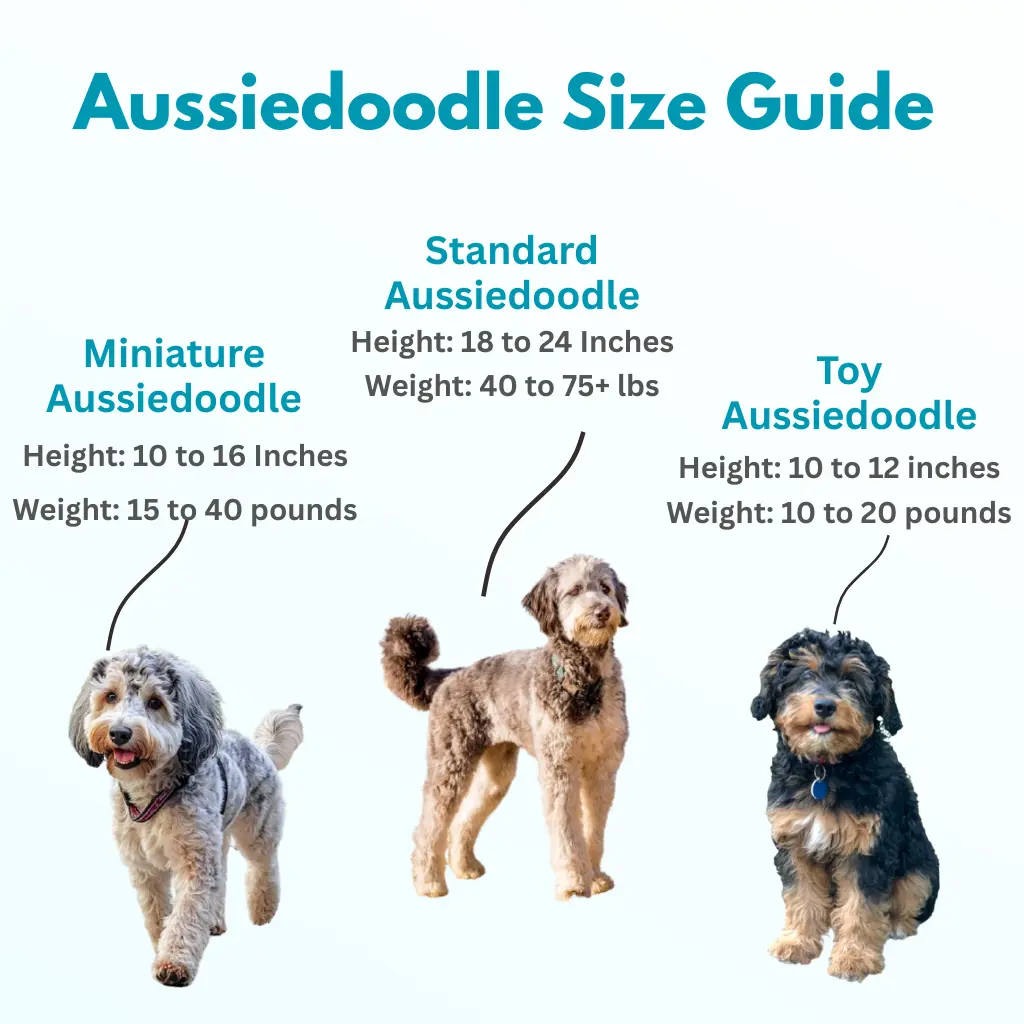
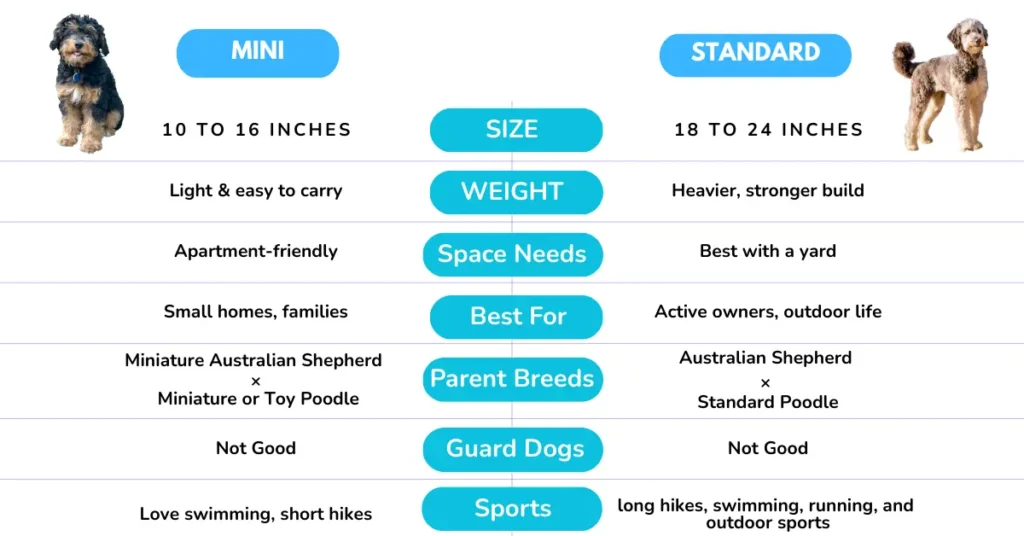
Size
18 to 24 Inches
Weight
40 to 75+ lbs
Lifespan
10 to 15 years
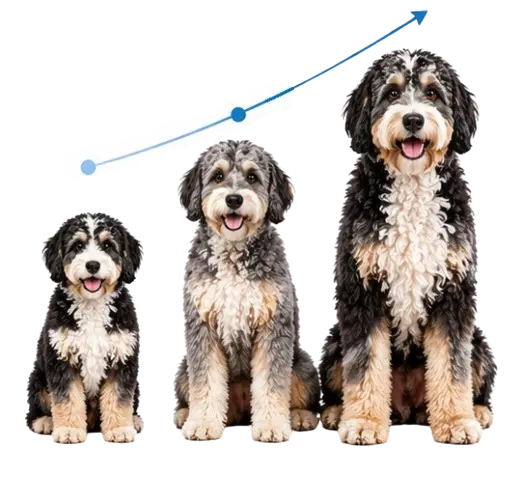
Did You Know? Aussiedoodles Come in 3 Adorable Sizes!
Require regular grooming to keep their coat healthy and mat-free
Intelligence
High
Shedding
Seasonal
BREED TYPE
Designer / Hybrid CrossBreed
TRAINING
Socialize Well, Have Fun, Basic Commands
Energy Level
Requires daily exercise and mental stimulation
Parent Breeds
Poodle crossed with a Australian Shepherd
Purpose
Smart, low-shedding, family-friendly companion dog
DATE OF ORIGIN
The Aussiedoodle originated in the United States around the late 1990s to early 2000s
Temperament
Intelligent, friendly, and affectionate — a true Canine Einstein, energetic Doggy Dynamo, and natural Star Athlete.
History
The Aussiedoodle comes from two really smart dogs. The Australian Shepherd and the Poodle. Even though the name sounds like it comes from Australia. But the Australian Shepherd was actually developed in the United States. Farmers used these dogs to help move and manage livestock and they became very popular on farms and at rodeos. Their background goes back to European herding dogs but they really made their name in America.
The Poodle started in Germany and was used to help bring back ducks from the water. These dogs are really smart and easy to train. Over time people to keep Poodles as pets because they are friendly and do not shed much hair. which makes them a good choice for families.
The Aussiedoodle is a new dog that first showed in the United States in the 1990s. People wanted to mix the smart and hardworking nature of the Australian Shepherd with the low shedding coat and friendly behavior of the Poodle. This mix created a dog that is smart active and great for families. Also a smaller Size called the Mini Aussiedoodle was made by mixing Australian Shepherds with Miniature Poodles. These smaller dogs are a great fit for apartments or smaller homes but still have the same fun and loving personality.
why this breed is so popular
Aussiedoodles are very popular in the United States because they fit easily into everyday life. They are smart and easy to train which makes them a good choice for first-time dog owners. They are also very loving and enjoy being around people so they do great with families and kids.
Many Aussiedoodles do not shed much hair. which helps you the home cleaner. They have a lot of energy and love activities like daily walks playing outside or going on hikes. At the same time Mini Aussiedoodles are a great choice for people who live in apartments or smaller homes. They can adjust well to different living spaces. With their cute teddy bear look and friendly personality it is easy to see why so many people in the US love Aussiedoodles.
Aussiedoodle Size and Appearance
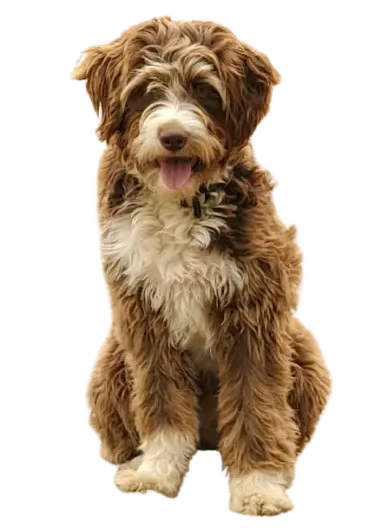
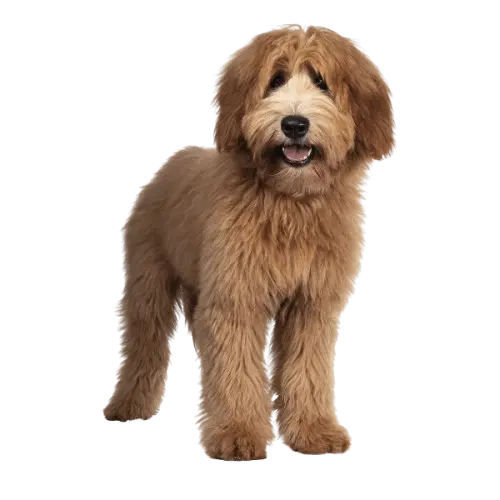
Curly Coat
Wavy Coat
Straight Coat
Colors
Each Aussiedoodle shines in its own unique color.
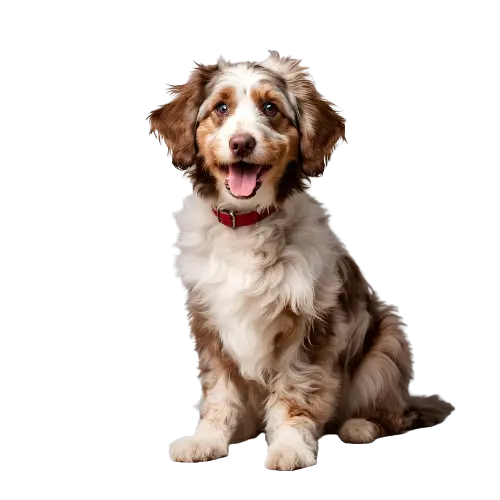
Red Merle
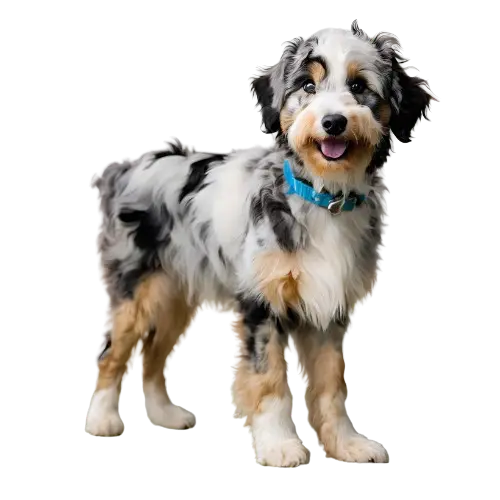
Blue Merle
Brown
Black
White
Red
Aussiedoodle Identification Guide:
Key Traits to Look For
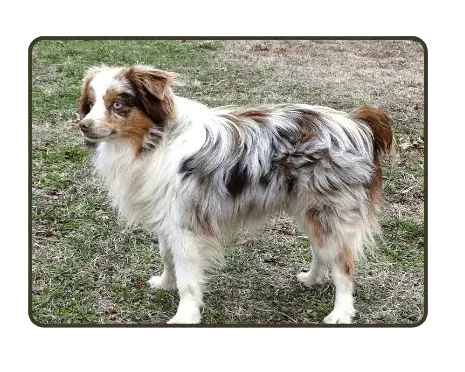
If you see a Aussiedoodle for the first time and you are trying to tell if it is an Aussie or not. So there are some easy signs you can look for this is actually Aussiedoodle. These dog are a mix of the Australian Shepherd and the Poodle. They can look a little different from one dog to another dog but they still have some common shapes. Once you know what to watch for it becomes much easy to identify an Aussiedoodle.
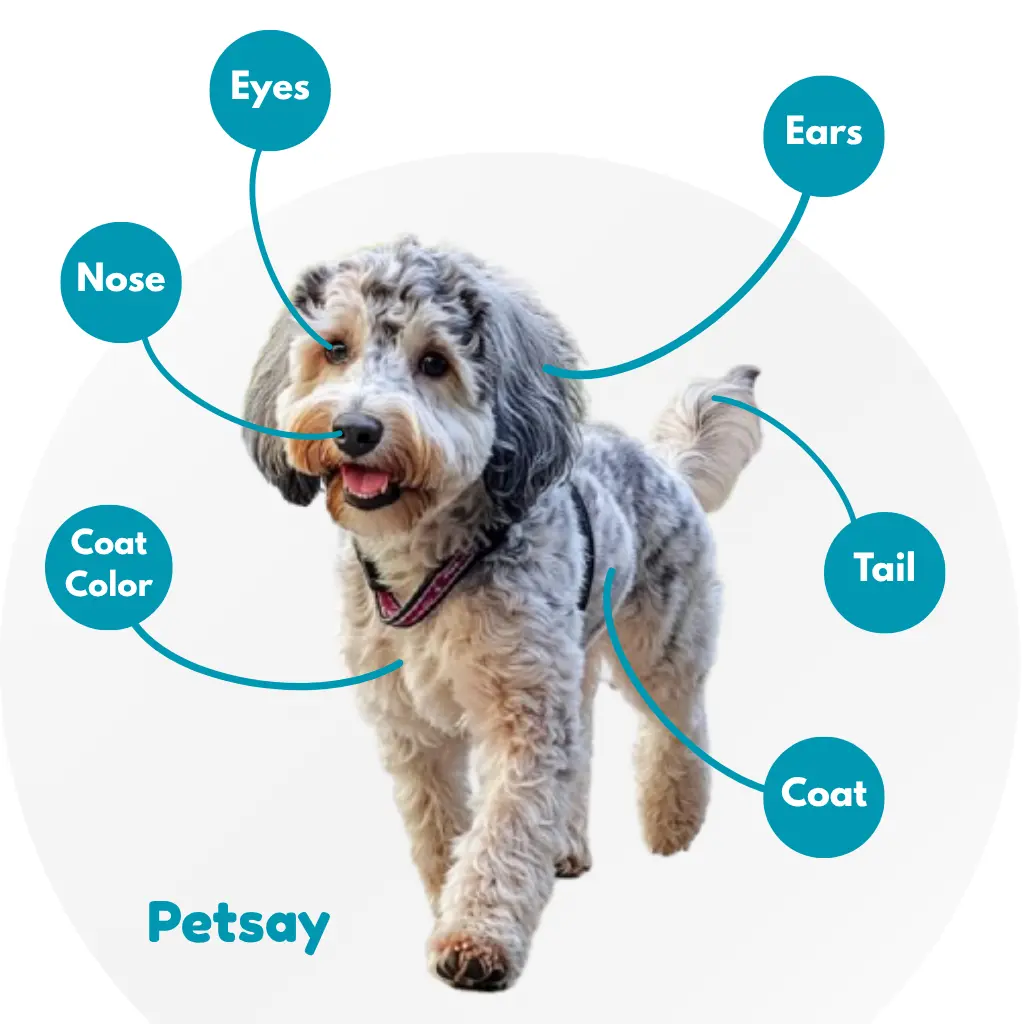
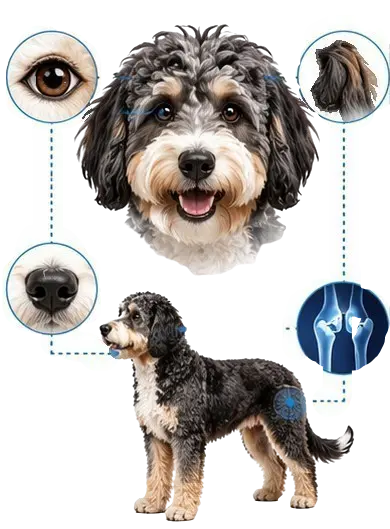
1: Physical Traits of an Aussiedoodle (Eyes, Ears, Nose & Hips)
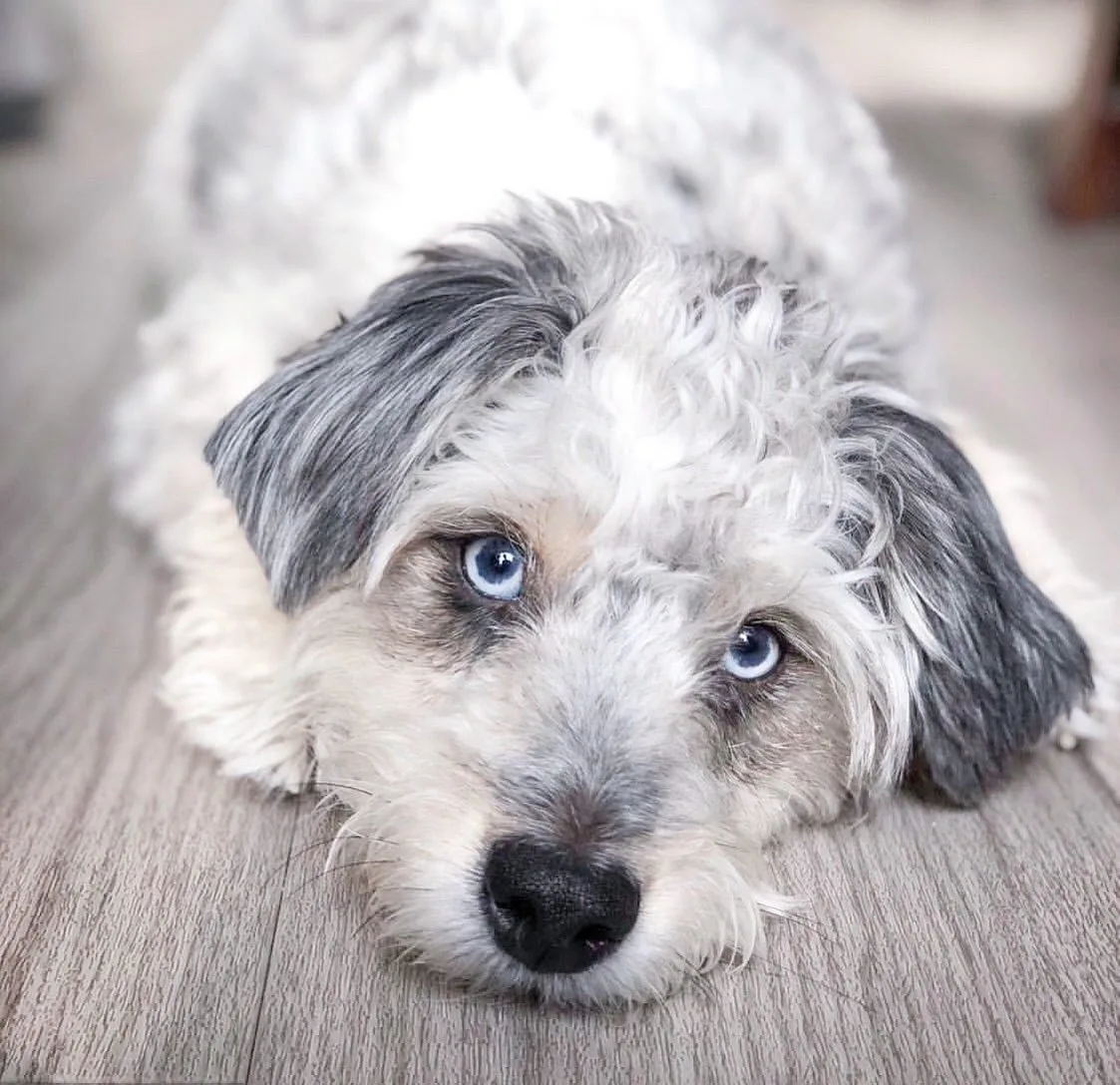
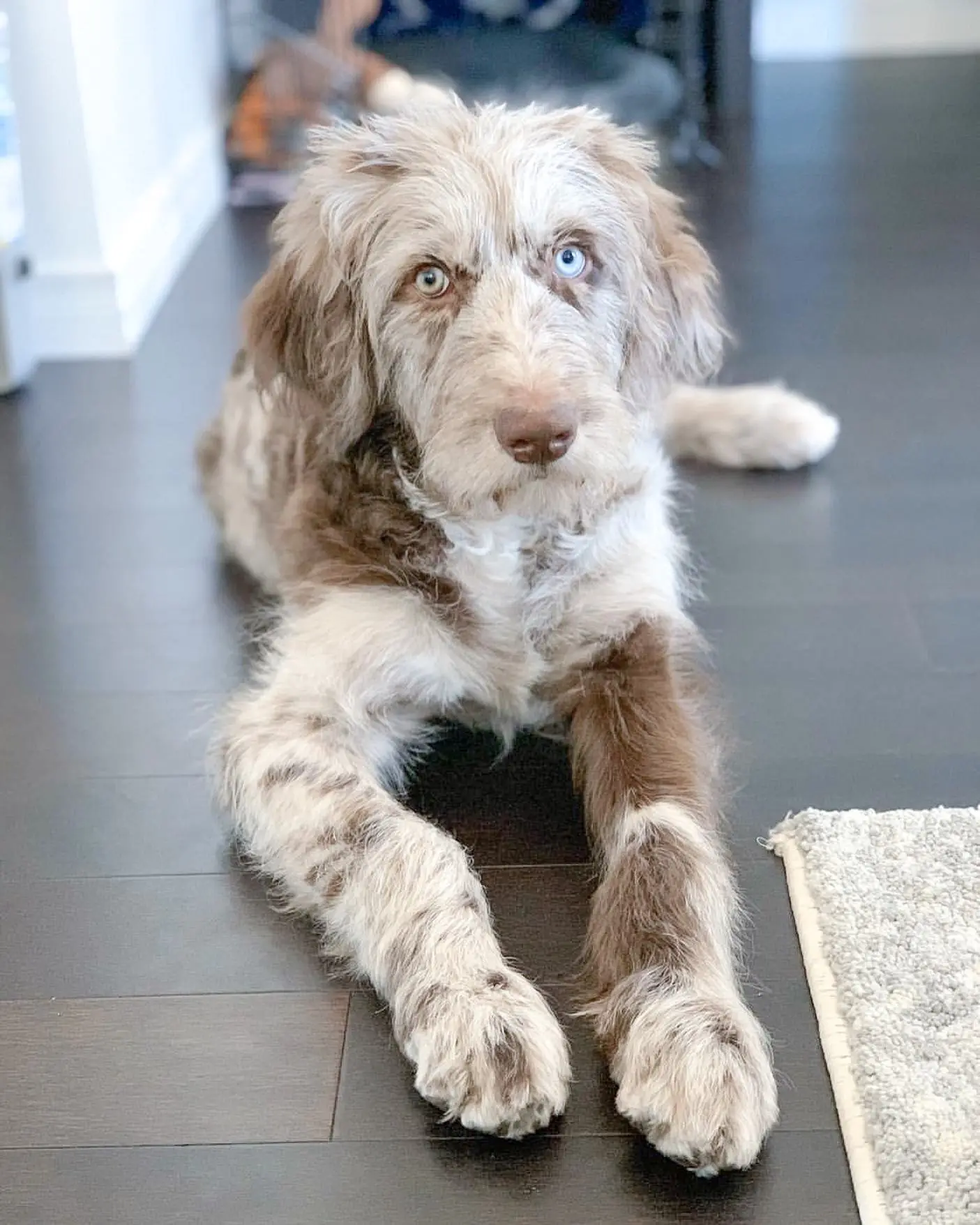
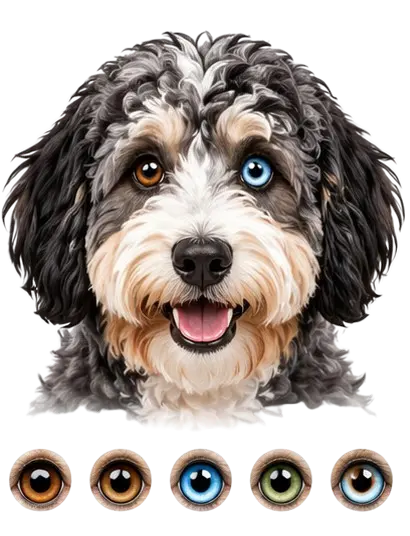
First you see a Aussiedoodle these dog usually have a soft and teddy bear like face that stands out. Their ears are typically floppy and their muzzle is slightly narrow comes from the Poodle side. Their eyes are among their most good features that comes in different colors including brown blue or even a combination of both or other color. In some cases, you may also see heterochromia, where each eye is a different color. Their bodies are usually stronge shape and built for movement reflecting their active and playful nature.the first time and you are trying to tell if it is an Aussie or not. So there are some easy signs you can look for this is actually Aussiedoodle. They can look a little different from one dog to another dog but they still have some common shapes.
2: Coat Type and Shedding Level
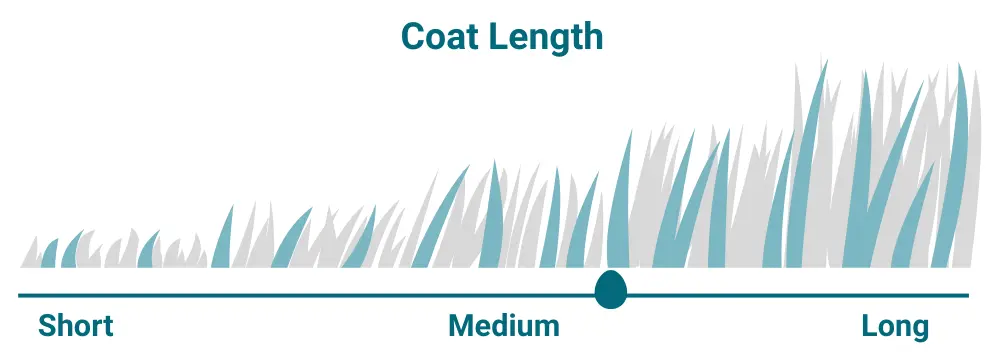
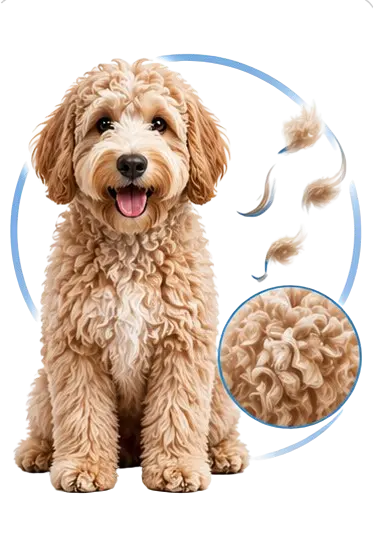
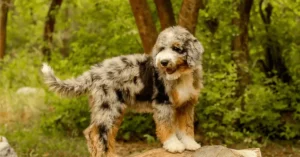
One of the easiest ways to recognize an Aussiedoodle is by its coat. Most of them have a wavy to curly coat that feels soft, fluffy, and often gives them that popular “teddy bear” look. Their coat type can vary depending on genetics, but generally, the curlier the fur, the less shedding you will notice around the home. However, this also means they require regular grooming and brushing to prevent tangles and matting, especially in areas like behind the ears and under the legs.
3: Eye Colors Explained
Aussiedoodles are also known for their striking and expressive eyes. Many of them inherit unique eye colors from their Australian Shepherd parent, which can include deep brown, bright blue, or even one eye of each color. This feature is one of the most eye-catching traits of the breed and often helps people identify them quickly. Their eyes usually look very alert and intelligent, which reflects their highly observant personality.
4: Temperament and Behavior Signs
By appearance, Aussiedoodles are very easy to recognize by their behavior. They are extremely social, intelligent, and energetic dogs that enjoy being around people. If a dog seems very friendly, quick to respond, and eager to engage in play or training, there is a good chance it may be an Aussiedoodle. They are known for learning fast and enjoying mental stimulation, so they often appear very attentive and interactive compared to other breeds.
5: Size and Body Structure
Aussiedoodles can come in different sizes depending on whether they are Toy, Mini, or Standard, which is based on the Poodle parent used in breeding. Despite these size variations, they generally share a lean but strong and athletic body structure. They are built for activity, which allows them to run, jump, and play for long periods without getting tired easily.
Aussiedoodles are smart, friendly, and very playful dogs. Because they are so intelligent, they can get bored easily if they don’t get enough attention or activity. When that happens, they may start chewing things or acting restless, so they need daily care and engagement.
They are easy to train and learn commands quickly, especially when training starts early. Since they love to please their owners, positive and simple training works best with them.
To keep an Aussiedoodle happy, they need regular exercise like walks, playtime, or games such as fetch. They also enjoy mental activities like toys or simple challenges. If they get enough exercise and attention, they stay calm and well-behaved.
Aussiedoodles are also very loving and do well with families, kids, and other pets. They just need time, attention, and a bit of activity every day to stay happy.
ACTIVITY LEVEL
Low
Medium
High
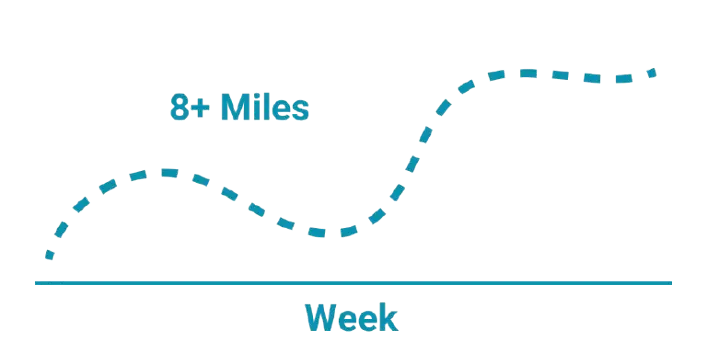
Weekly Walking Distance
Buying an Aussiedoodle? What You Need to Know First
Getting an Aussiedoodle is exciting, but hold up, don’t rush it. Not all Aussiedoodles are the same, and making the right choice from the start can save you a lot of trouble later. Here’s a simple 2-step guide to help you do it right.
What to Check Before You Decide to Buy
Getting an Aussiedoodle sounds exciting, but it’s not something you should rush into. A lot of people fall in love with how cute they look and then realize later that they didn’t fully understand what owning one really means. Taking a little time to learn first can save you stress, money, and behavior problems in the future.
Before you decide to buy one, it’s important to understand the breed itself. Aussiedoodles are a mix of Australian Shepherds and Poodles, which makes them very smart, active, and people-oriented dogs. They love attention and enjoy being part of family life, but that also means they don’t do well when left alone for long hours. If they get bored or lonely, they can start chewing things, barking, or acting restless. So if your lifestyle is very busy or you’re away most of the day, this is something you really need to think about.
They also need daily exercise and mental activity. A short walk is not enough for them. They do best with playtime, training, and activities that keep their mind busy. Grooming is another important part of care because their coats can get tangled if not brushed regularly. Many new owners don’t expect this and end up struggling later.
Size is another thing people overlook. Even Mini Aussiedoodles can grow larger than expected, so it’s important to be sure the dog fits your home space and daily routine before making a decision.
How to Choose a Good Aussiedoodle
When choosing a puppy, don’t just go for the lowest price. A very cheap puppy often comes from poor breeding conditions, which can lead to health issues, behavior problems, or heavy shedding later on. A responsible breeder focuses on health, temperament, and proper early care. Puppies that are raised in clean, social, and active environments usually grow up more confident and easier to train.
A good Aussiedoodle should feel curious, friendly, and comfortable around people. If a puppy seems overly scared or aggressive, that can be a warning sign. The right breeder will also start basic handling and socialization early, which helps the puppy adjust smoothly to a new home.
At the end of the day, choosing an Aussiedoodle is not just about how cute they look; it’s about finding a healthy, well-raised dog that matches your lifestyle. When you pick carefully, you don’t just get a pet, you get a loyal companion for years.
Exercise & Activity Needs
90+ minutes per day for very active or Standard Aussiedoodles
How to Split the Time
2 walks a day
(20–30 minutes each)
Playtime (fetch, tug, running)
20 minutes
Mental games or training
15–25 minutes
Your Aussiedoodle is getting enough exercise if:
They are calm at home
No chewing or bad behavior
They sleep well after activity
Aussiedoodle Health & Conditions
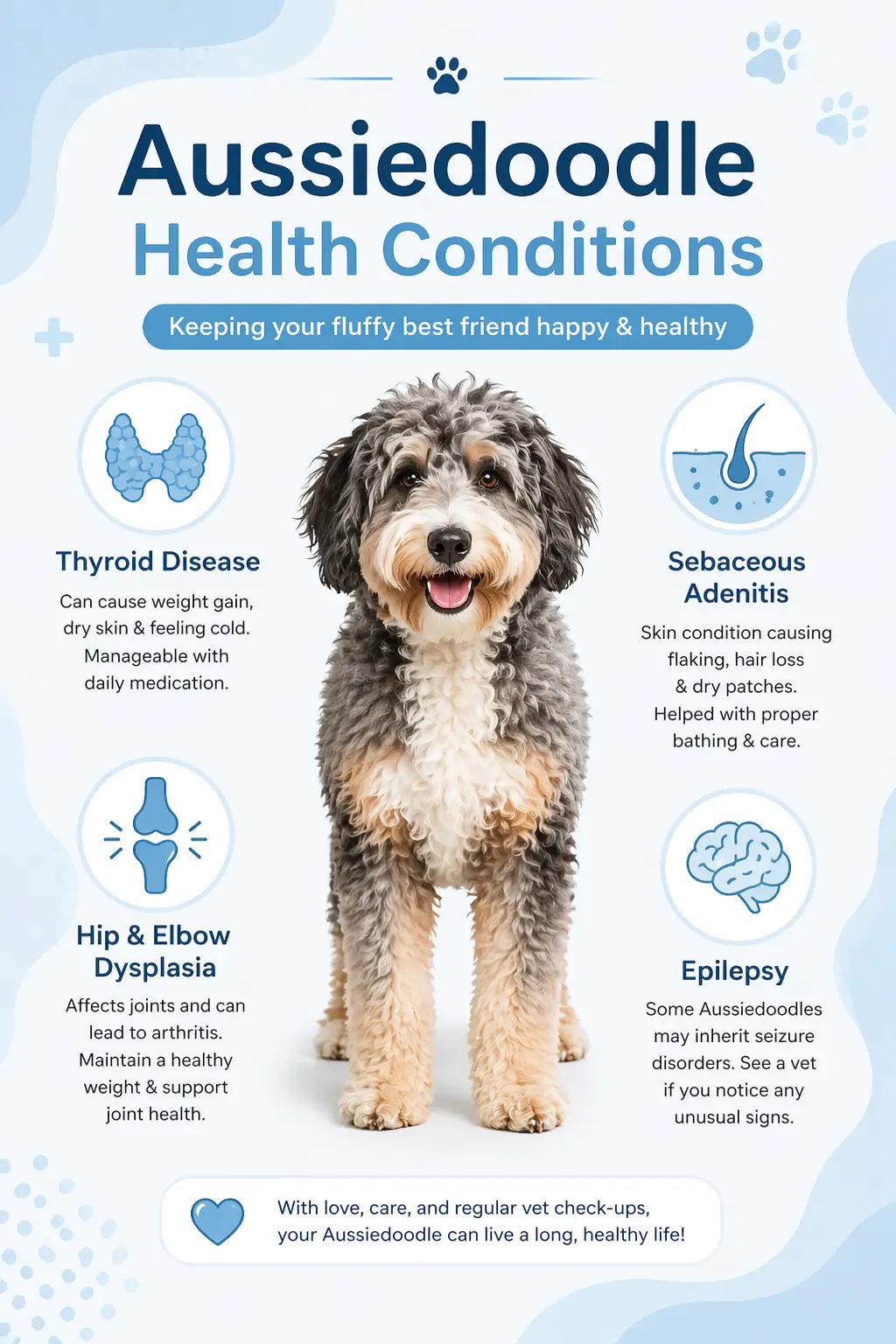
Alright, let’s talk about keeping your Aussiedoodle healthy and happy! These fluffy geniuses usually live 10–15 years, thanks to their Australian Shepherd and Poodle genes — both strong and smart breeds. But like any dog, they’ve got a few health issues you should know about. Here’s the breakdown — simple, straight, and from one dog lover to another.
Common Issues
Thyroid Disease (Hypothyroidism)
Comes from the Aussie side. It’s when the thyroid doesn’t work right, often because of autoimmune thyroiditis. Symptoms? Weight gain, dry skin, and your pup always feeling cold. Good news — it’s easily managed with daily meds.
Sebaceous Adenitis
A Poodle problem that can show up in Aussiedoodles, too. It’s a skin condition that causes flaking, hair loss, and dry patches. Regular baths, special shampoos, and vet-approved treatments can help a ton.
Hip & Elbow Dysplasia
This is when joints don’t form properly, causing pain or arthritis later on. Keep your doodle at a healthy weight, give joint supplements, and go easy on heavy exercise while they’re growing. In serious cases, surgery might be needed.
Bloat (GDV)
More common in bigger Aussiedoodles (thanks to their Poodle parent). It’s serious — the stomach fills with gas and can twist. If your dog looks bloated, drools a lot, or tries to vomit but can’t, rush to the vet immediately. It’s life-threatening.
Cataracts & Progressive Retinal Atrophy (PRA)
These eye issues can affect their vision. Regular vet checkups help catch them early.
Epilepsy
Some Aussiedoodles can inherit seizure disorders. If your dog suddenly stiffens, drools, or twitches — see a vet fast.
Periodontal Disease:
Yup, dental health matters! Regular brushing or dental chews help avoid gum issues and bad breath.
Parasites
Keep your doodle on flea, tick, and worm prevention — simple but essential.
Aussiedoodle Nutritional Guide
Balanced Diet for an Active Aussiedoodle
Aussiedoodles are super active and smart dogs, so they need a solid, well-balanced diet to keep up with their energy and stay healthy. The best food for them is high in quality animal protein like chicken, lamb, or fish to support strong muscles and long-lasting energy. You also want a good mix of healthy fats, carbs, vitamins, and minerals. Omega 3 fatty acids are a big plus since they help keep your dog’s skin healthy and their coat looking soft and shiny especially important for those curly or wavy coats.
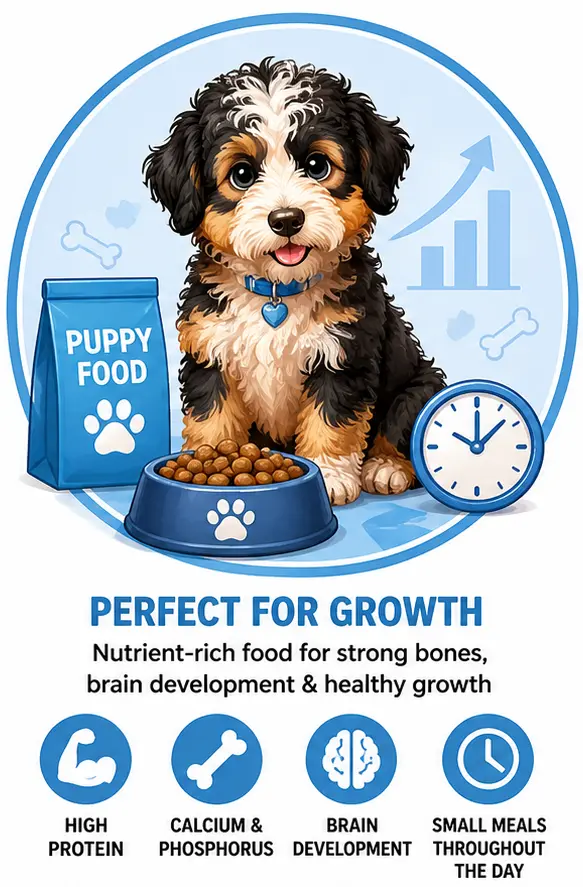
Feeding and Nutrition for Growing Puppies
When they’re puppies, Aussiedoodles grow fast, so they need nutrient-rich puppy food made specifically for their stage. These foods usually have higher levels of protein, fat, calcium, and phosphorus to support bone growth and brain development. It’s better to feed them smaller meals throughout the day and adjust as they grow. Since every pup is different, it’s always a smart move to check with your vet about the right feeding schedule and portion sizes based on their size and activity level.
Special Dietary Needs and Portion Control
Aussiedoodles can sometimes have joint issues like hip dysplasia, so foods or supplements with glucosamine and chondroitin can really help support their joints. They can also have sensitive skin, so if you notice itching or allergies, switching to limited-ingredient or hypoallergenic food might help. Some dogs may show food sensitivities like licking a lot, ear infections, or stomach issues in that case, your vet might suggest a different protein or diet. You can also mix wet and dry food for better nutrition and hydration, just make sure it’s clean, high-quality food without fillers. And don’t forget portion control matters, because overfeeding can lead to weight gain and make joint problems worse.
Parent breeds of Aussiedoodle
Standard Poodle
Australian Shepherd
Training and Behaviour
At PetSay, we know Aussiedoodles are clever, energetic dogs that thrive when their minds and bodies are busy. Because they come from two working breeds—the Poodle and the Australian Shepherd—they pick up commands quickly and love having a job to do. Early training and socialisation are key, as their clever brains and high energy can easily turn into bad habits like chewing, digging or chasing if not guided properly. Positive reinforcement works best with Aussiedoodles; they respond well to treats, praise and consistent routines. House training, crate training and toilet training become easier when started early and the right nutrition helps support steady energy levels and focus. With structure, daily mental stimulation and ongoing training Aussiedoodles become confident, well mannered and loyal companions.
Key Training & Behaviour Points
Training Basics
Extremely smart and quick learners thanks to their working-dog heritage.
Respond best to positive reinforcement (treats, praise, play).
Start early with house training, crate training and toilet training.
Follow the rule: one hour of bladder control per month of age.
Aussiedoodle Images
Aussiedoodle Grooming
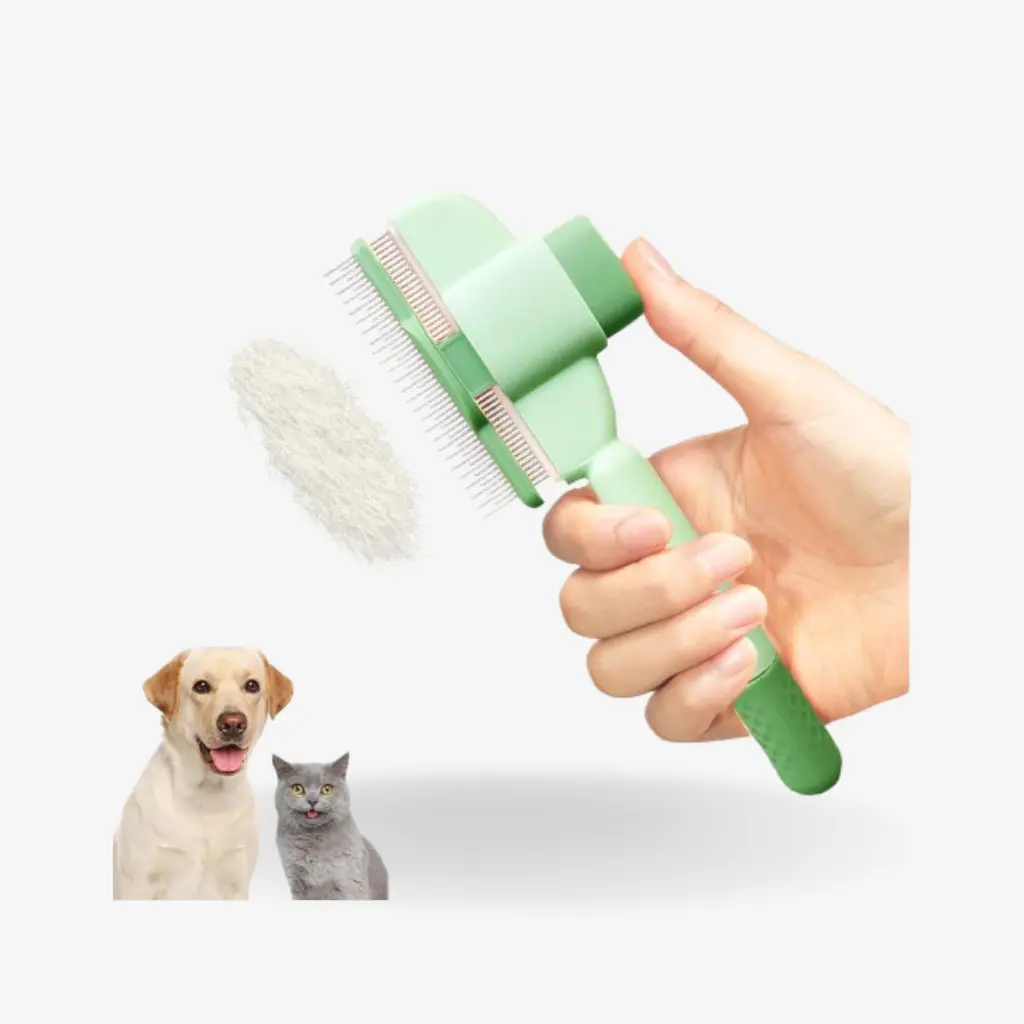
Grooming a Standard Aussiedoodle is an important part of keeping them healthy, clean, and comfortable. Because of their Poodle and Australian Shepherd roots, Standard Aussiedoodles often have wavy or curly coats that grow continuously and shed very little. This means they require more upkeep than short-haired breeds. Regular brushing prevents painful mats, trims keep their coat manageable, and routine baths help maintain skin health. Along with coat care, their hygiene routine should also include nail trimming, ear cleaning, and teeth brushing. Standard Aussiedoodles usually need a professional groom every 6–8 weeks to stay neat and mat-free. With consistent grooming, your Aussiedoodle will look great, feel great, and stay in top health.
Main Grooming Points
Coat Care
Brush 3–4 times a week to stop tangles and matting.
Coat types vary: straight, wavy, or curly—but all need regular brushing.
Schedule professional grooming every 6–8 weeks to keep the coat trimmed and healthy.
Bathing
Bathe once a month or as needed if they get dirty.
Use a gentle dog-safe shampoo to avoid skin irritation.
Nail & Paw Care
Trim nails every 3–4 weeks to avoid overgrowth and discomfort.
Check paws regularly for debris (grass, dirt, burrs) that can get stuck in curly fur.
Ear & Dental Care
Clean ears weekly to prevent infections—curly-coated dogs can trap moisture easily.
Brush teeth 2–3 times a week to prevent plaque and gum issues.
Hygiene Routine Benefits
Prevents painful mats
Keeps skin healthy
Reduces odor
Supports good dental and ear health
Keeps your Standard Aussiedoodle comfortable and happy
FAQS
What kind of grooming styles work best for Aussiedoodles?
Aussiedoodles can rock a bunch of different haircuts depending on their coat type. Popular styles include the teddy bear cut (soft and fluffy), puppy cut (short and easy to manage), and summer cut (extra short for hot weather). Regular brushing is super important to keep their coat from getting tangled.
Are Aussiedoodles good dogs for families?
Yeah, Aussiedoodles make awesome family dogs! They’re friendly, playful, and really smart. They usually get along great with kids and love being part of everyday family life.
How much does an Aussiedoodle usually cost?
The price can vary a lot, but most Aussiedoodles cost anywhere from $800 to $3,000. It depends on things like the breeder, location, size, and coat color.
Can Aussiedoodles live peacefully with cats and other pets?
For sure — with proper introductions and early training, Aussiedoodles can get along really well with other pets. Just keep in mind, some of them have a herding instinct, so they might try to “round up” your cat like a little cowboy
How long is an Aussiedoodle pregnant?
An Aussiedoodle’s pregnancy usually lasts about 58 to 68 days, which is roughly 2 months. During that time, they need extra care, good food, and a comfy place to rest.
Final Thought
Aussiedoodles are smart, loving, and playful dogs that make great family pets. They are full of energy, easy to train, and love spending time with their owners. Their low-shedding coats and friendly nature make them a popular choice for many families.
However, they need daily exercise, mental stimulation, and proper training to stay happy and well-behaved. If you’re looking for an active, affectionate, and intelligent companion, the Aussiedoodle could be the perfect dog for you!