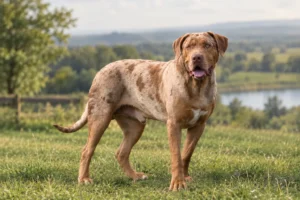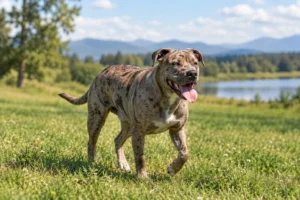
Training a Catahoula Bulldog puppy takes time and patience. This dog is a mix of the Catahoula Leopard Dog and the American Bulldog. Both breeds can be strong and active. Your puppy will need daily exercise and clear rules as it grows. Starting training early can help your puppy learn good habits.
The best way to train your puppy is to keep lessons short and reward good behavior. Give small treats and praise when your puppy follows a command. Do not yell at or hit your dog. Fear can make learning harder. Your puppy needs to learn what you want without being scared.
Start with simple skills like learning its name and following commands such as sit and come. Then teach potty training and crate training. Socialization is also important. It helps your puppy get used to new people and places. As your dog grows you can teach it to walk calmly on a leash and follow commands around distractions.
Every puppy learns at its own speed. Some learn quickly while others need more time. Stay calm and practice every day. With kind training and clear rules your Catahoula Bulldog can grow into a well-behaved and confident dog.
Quick Overview
| Training area | When to start | Main goal |
| Name training | As soon as your puppy comes home | Get your puppy to look at you |
| Basic commands | Around 8 weeks with short lessons | Teach simple everyday skills |
| Potty training | From the first day at home | Build a regular bathroom routine |
| Crate training | From the first day at home | Create a safe resting place |
| Socialization | During early puppyhood | Build comfort around new things |
| Leash training | Start indoors or in a safe area | Teach calm walking |
| Good behavior | Every day | Reward the habits you want |
| Practice sessions | Several short sessions daily | Build steady learning |
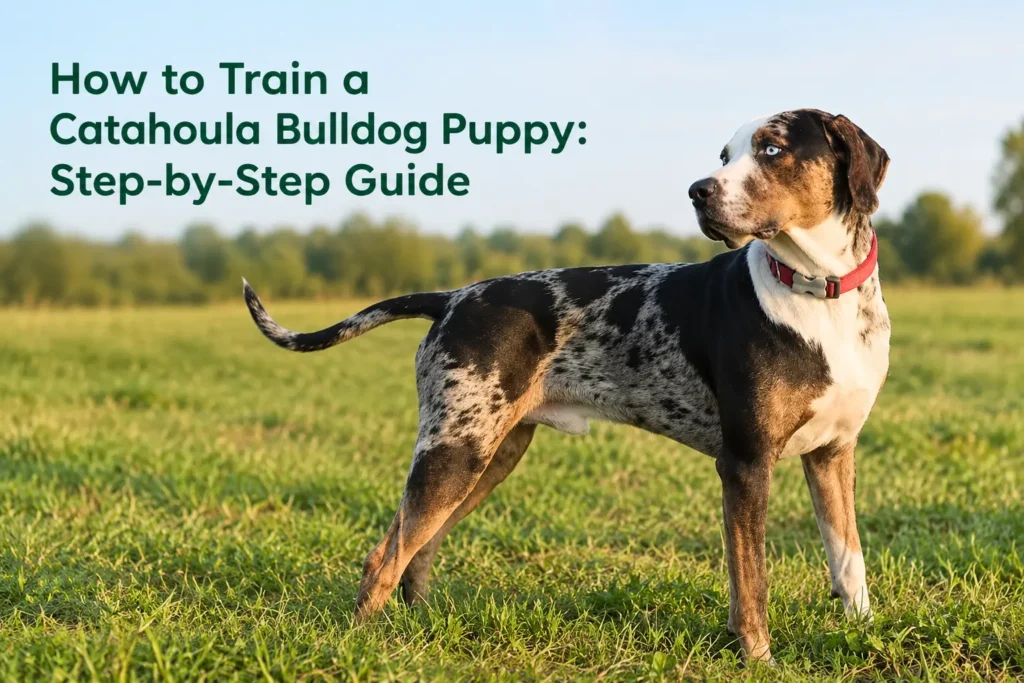
Start Training Your Catahoula Bulldog Puppy at the Right Age
The best time to train your Catahoula Bulldog puppy is when it first comes home. Many puppies go to their new homes at about 8 weeks old. They can start learning simple rules and good habits at this age. You do not need to wait until your puppy gets older.
Keep each lesson short. A few minutes is enough for a young puppy. Puppies can lose focus during long lessons. Train your puppy a few times each day and end each lesson with praise.
Teach Your Puppy Its Name
Say your puppy’s name in a happy voice. When it looks at you give it a small treat or praise. Practice in different rooms so your puppy learns to listen to you in different places.
You can also teach simple habits like sitting before meals and waiting before going through a door. These small lessons help your puppy learn good behavior.
Use Rewards to Teach Good Habits
Reward-based training means giving your puppy something it likes when it does the right thing. You can use small treats or a favorite toy or praise. Give the reward right after the good behavior so your puppy knows what it did well.
For example when your puppy sits on command give it a treat right away. If it jumps on you wait until all four paws are on the floor before giving it attention.
Keep these tips in mind:
- Use small treats to avoid feeding too much.
- Use the same command words every time.
- Start training in a quiet place.
- Stay calm when your puppy makes mistakes.
- Keep lessons fun and short.
Catahoula Bulldogs can grow into strong dogs. Teaching good habits while they are young can make life easier as they grow. Build trust and use clear rules to help your puppy learn.
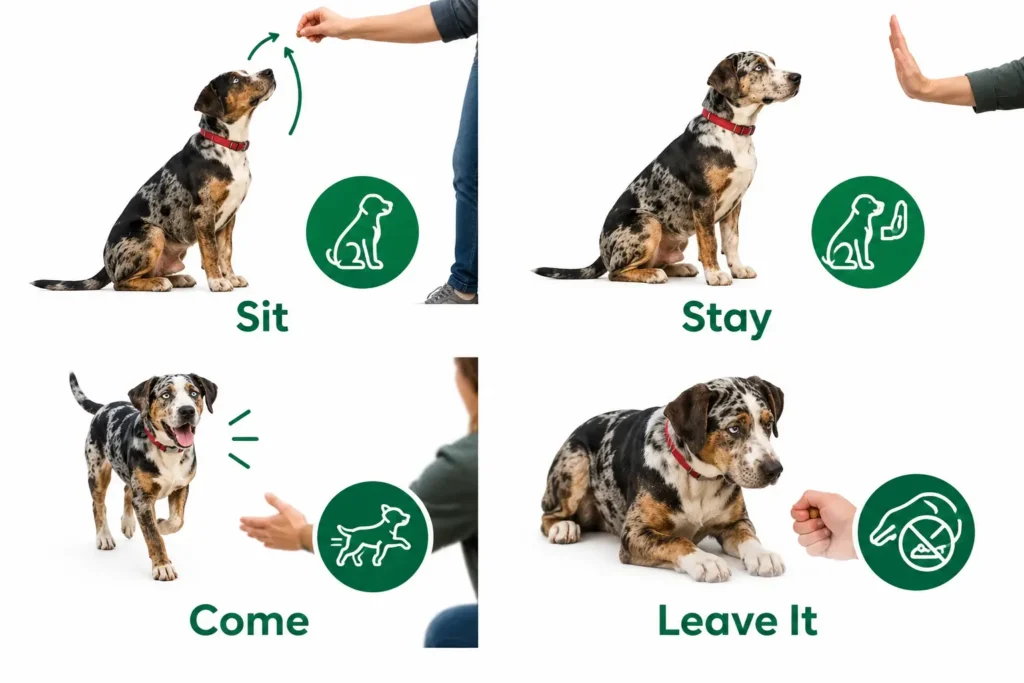
Teach Basic Commands Like Sit Stay Come and Leave It
Basic commands help you guide your puppy at home and outside. They can also help keep your dog safe. Teach one command at a time and give your puppy time to learn.
How to Teach Sit
Hold a small treat near your puppy’s nose. Slowly move it up and back over its head. Your puppy will follow the treat and may sit down. As soon as it sits say “sit” and give the treat.
If your puppy does not sit right away try again slowly. Do not push its body down. Praise it when it does the right thing.
How to Teach Stay
Ask your puppy to sit. Hold your hand up and say “stay.” Wait for one second. If your puppy stays in place give it a treat.
At first take only one step away. If your puppy gets up try again with less distance. Slowly increase the time and distance as your puppy learns. Return to your puppy to give the reward.
How to Teach Come
Start in a quiet room. Say your puppy’s name and then say “come” in a happy voice. Take a few steps back and reward your puppy when it comes to you.
Never call your puppy to punish it. You want it to learn that coming to you is a good thing. Practice in a safe fenced area before trying places with more distractions. Keep your puppy on a leash when outside an enclosed space.
How to Teach Leave It
Hold a treat inside your closed hand. Let your puppy sniff your hand. Say “leave it” and wait for it to stop trying to get the treat. Then give it a different treat from your other hand.
This command helps your puppy stay away from things that may be harmful. Start with easy practice and slowly make it harder.
Practice each command for a few minutes every day. Keep lessons short and fun. Your puppy will learn better when you stay calm and reward good behavior.
Potty Training and Crate Training a Catahoula Bulldog Puppy
Potty training teaches your puppy where to go to the bathroom. Crate training gives your dog a safe place to rest. Both skills are easier to learn when you follow the same routine every day.
Build a Potty Schedule
Take your puppy outside after it wakes up and after meals. Take it out after drinking water and after playtime too. Young puppies need many bathroom breaks during the day. Try to use the same outdoor spot each time so your puppy learns where to go.
Stay with your puppy while it looks for a place to go. Give it time to sniff around. When it finishes praise it and give it a small treat right away.
Watch for signs that your puppy needs to go outside. It may sniff the floor or walk in circles. It may also stop playing and move away. Take it outside as soon as you notice these signs.
If your puppy has an accident inside do not yell at it. Clean the spot well to remove the smell. Punishing your puppy may make it afraid to go to the bathroom near you.
Make Crate Training a Good Experience
Choose a crate that gives your puppy enough room to stand up and turn around. Let your puppy get used to it slowly. Do not lock it inside for a long time on the first day.
Follow these simple steps:
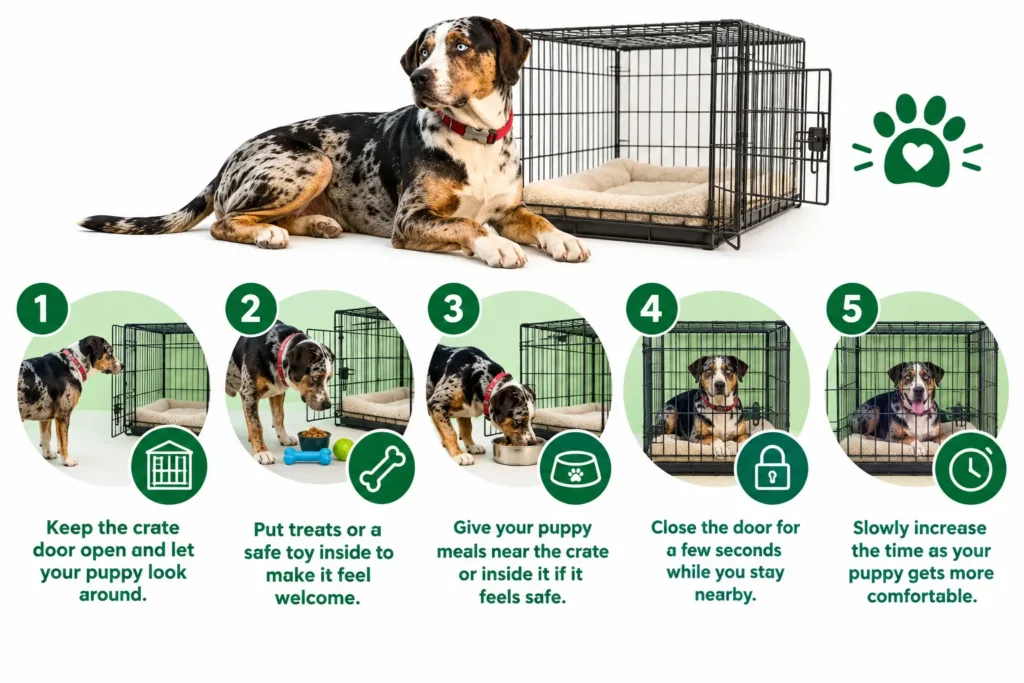
Never use the crate to punish your puppy. Your dog still needs playtime and time with the family. Young puppies also need frequent bathroom breaks. Do not leave your puppy in the crate for too long.
Potty training takes time and patience. Praise your puppy when it does the right thing and follow the same routine every day. If your puppy starts having frequent accidents after learning where to go then ask your vet if a health problem could be the cause.
.
Socialization and Leash Training for Your Catahoula Bulldog
Socialization helps your puppy feel safe around new people and everyday sounds. It does not mean making your dog meet everyone. It means giving your puppy safe and happy experiences at a pace it can handle.
The first few months are an important time for learning. But your puppy may not have all its shots yet. Ask your vet which places are safe and when your puppy can meet other dogs.
Introduce New People and Places Slowly
Let your puppy see different people and hear common sounds like cars and household tools. Give treats and praise when your puppy stays calm. If something scares your puppy give it more space.
Help your puppy get used to:
- Adults and children who treat dogs gently.
- Cars and common street sounds.
- Different floors and outdoor places.
- Friendly and healthy dogs.
- Gentle touches on the paws and ears.
Never force your puppy to meet a person or another dog. If it hides or moves away let it take a break. Slow and calm meetings help your puppy feel safe.
Teach Your Puppy to Walk on a Leash
Start inside your home or in a quiet fenced area. Let your puppy wear a well-fitted collar or harness for a short time while you watch it. Give treats so your puppy learns that wearing it is a good thing.
Attach the leash and reward your puppy for walking beside you. If your puppy pulls stop walking and wait until the leash becomes loose. Then start walking again. Never jerk the leash because it can hurt your puppy and make walks scary.
Practice for a few minutes each day. When your puppy gets better try quiet outdoor places with more sights and sounds. Keep your puppy on a leash outside a secure fenced area even if it follows your commands well.
Catahoula Bulldogs can grow into strong dogs. Teaching leash skills early can make walks safer and easier. If your puppy barks or lunges at other dogs move farther away and reward calm behavior. If this keeps happening ask a reward-based dog trainer for help.
Common Puppy Training Mistakes and How to Avoid Them
Puppies learn by practicing the same skills again and again. They will make mistakes while learning what you want them to do. Your job is to guide them and help them learn good habits.
Expecting Too Much Too Soon
Young puppies cannot focus for a long time. Teaching too many commands at once can confuse them. Teach one skill at a time and make it harder as your puppy improves. If your puppy gets distracted go back to an easier step.
Changing the Rules
If you let your puppy jump on people one day and stop it the next day it may get confused. Everyone in your home should follow the same rules. Use the same command words and reward good behavior every time.
Using Punishment or Yelling
Hitting or scaring your puppy can break its trust in you. It may also make behavior problems worse. Show your puppy what you want it to do and reward it when it gets things right.
For example if your puppy chews a shoe give it a safe chew toy instead. Praise it when it chews the toy. Keep shoes and other items out of reach while your puppy learns.
Skipping Exercise and Rest
Catahoula Bulldogs can have lots of energy. A puppy that does not get enough play or mental activity may chew things or have trouble settling down. Give your puppy short training lessons and safe playtime. Make sure it also gets enough rest.
Do not make your puppy run long distances or jump too much. Its joints are still growing. Ask your vet how much exercise is right for your puppy.
Training Only Indoors
Your puppy may follow commands inside the house but struggle outside. New smells and sounds can make it harder to focus. This is normal. Practice commands in different safe places and slowly add more distractions.
If your puppy struggles with a command make the task easier and reward small steps forward. If your puppy keeps showing fear or aggressive behavior ask a qualified dog trainer or animal behavior expert for help.
Create a Daily Training Routine
A daily routine helps your Catahoula Bulldog puppy learn what comes next. It also gives you time to practice good habits. You do not need to train your puppy for hours. Short lessons with play and rest can work well.
Here is a simple daily routine you can follow. Change it to fit your puppy’s age and needs.
| Time of day | Activity | Training goal |
| Early morning | Potty break and breakfast | Build a bathroom routine |
| After breakfast | Short training lesson | Practice sit and come |
| Midmorning | Play and rest | Help your puppy stay calm |
| Afternoon | Leash practice and play | Learn to walk well |
| Evening | Dinner and potty break | Build good daily habits |
| Before bed | Quiet time and final potty break | Get ready for sleep |
Young puppies need many bathroom breaks and plenty of sleep. Change the routine when your puppy feels tired or needs to go outside. Do not make every moment a training lesson. Play and rest are also important for healthy growth.
Track Your Puppy’s Progress
Choose one or two skills to practice each week. Start with name training and potty training. When your puppy gets better at these skills you can work on leash walking and basic commands.
Pay attention to what works best. If your puppy likes treats use them to reward good behavior. If it gets distracted move to a quiet place. Keep each lesson short and easy so your puppy has a chance to learn and do well.
Final Thought
Training a Catahoula Bulldog puppy takes time and patience. Start training early and teach one command at a time. Give treats and praise when your puppy does something right. Keep potty training and crate training part of its daily routine.
Help your puppy meet new people and see new places in a safe way. Teach it to walk nicely on a leash and follow simple commands. Do not yell at your puppy or punish it. Use calm words and show it what you want it to do.
Every puppy learns at its own speed. Keep practicing each day and be happy with small steps. With kind training and a good routine your Catahoula Bulldog can grow into a friendly and well-behaved dog.