Catahoula Bulldogs are strong and active dogs. They can be loyal family pets. They need good food and daily exercise to stay healthy. Like other dogs they may develop health problems as they get older. Learning about these problems can help you spot early signs and get the right care for your dog.
A Catahoula Bulldog is a mix of the Catahoula Leopard Dog and the American Bulldog. It can inherit health problems from either parent breed. Some dogs may have hip or eye problems. Others may develop skin allergies or ear infections. Hearing loss and weight gain are also possible concerns.
Not every Catahoula Bulldog will have these health problems. Its health depends on its genes and daily care. A good diet and regular exercise can help your dog stay fit. Regular vet visits can also help find health problems early. Watch how your dog walks and eats. Check its eyes and skin for any changes.
This guide covers common Catahoula Bulldog health problems and their warning signs. You will also learn how to keep your dog’s joints healthy and prevent some health issues. Knowing when to visit the vet can help your dog live a healthier and happier life.
Quick Overview of Catahoula Bulldog Health
| Health topic | What to watch for | Helpful action |
| Hip dysplasia | Limping or stiffness | Keep a healthy weight |
| Eye problems | Redness or cloudy eyes | Arrange a vet check |
| Skin allergies | Itching or hair loss | Find the cause with your vet |
| Ear infections | Head shaking or bad smell | Check ears regularly |
| Weight problems | Weight gain or low energy | Measure daily food |
| Hearing loss | Not responding to sounds | Ask about hearing tests |
| General health | Changes in eating or behavior | Keep regular vet visits |
| Emergencies | Trouble breathing or sudden collapse | Seek urgent veterinary care |
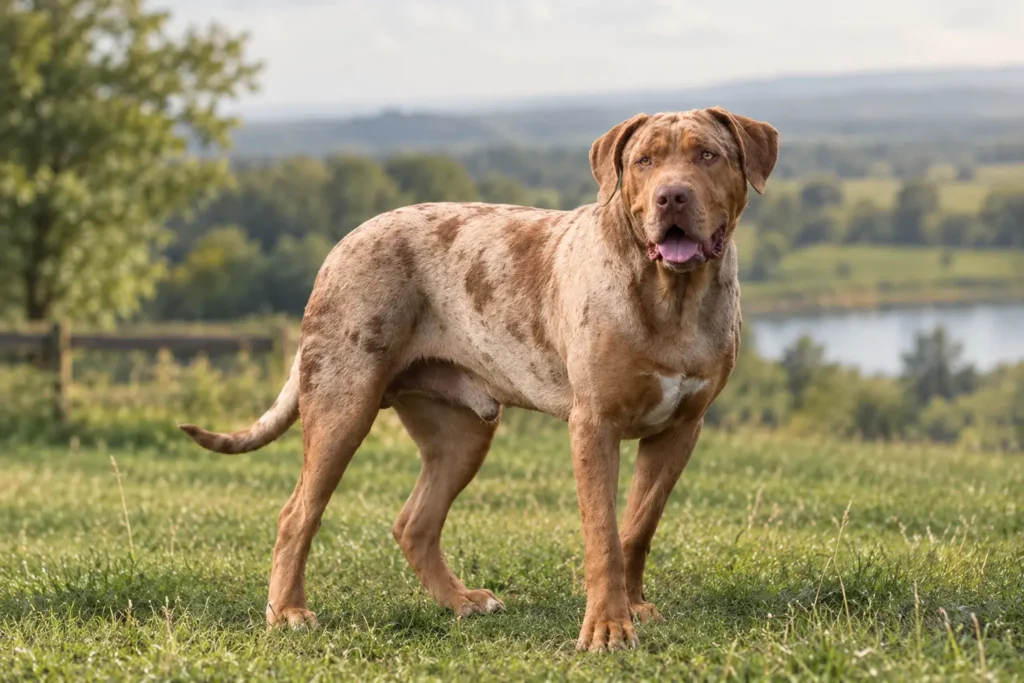
Common Catahoula Bulldog Health Problems
Catahoula Bulldogs can stay healthy and active when they get proper care. However they may inherit health problems from either parent breed. Every dog is different and some may face more health risks than others. Knowing about these problems can help you keep your dog healthy.
Hip and Joint Problems
Hip dysplasia is a condition where the hip joint does not fit together properly. It can cause pain and make walking difficult. Large and active dogs may develop joint problems as they grow older. Extra body weight can also put more pressure on their joints.
Eye Problems
Some Catahoula Bulldogs may develop cataracts or other eye problems. Cataracts make the lens of the eye cloudy and can affect vision. Red eyes and unusual discharge may also be signs of irritation or infection. You should contact a vet if you notice sudden changes in your dog’s eyes.
Skin Allergies
Skin allergies can happen because of fleas or other parasites. Some dogs may also react to things in their environment or certain foods. You may notice your dog scratching or licking its skin often. Red skin and hair loss can also be signs of a problem. A vet can help find the cause and suggest the right treatment.
Ear Infections
Ear infections can develop when moisture and dirt build up inside the ears. A dog with an ear infection may shake its head or scratch its ears often. You may also notice a bad smell or unusual discharge. Check your dog’s ears regularly so you can spot problems early.
Hearing Problems and Excess Weight
Catahoula Leopard Dogs may inherit hearing loss. Dogs with mostly white coats may have a higher risk of being born deaf. Catahoula Bulldogs can also gain too much weight if they eat too much and do not get enough exercise. Extra weight puts more pressure on their joints and can make movement harder. Ask your vet about health checks and the right amount of food for your dog.
These health problems do not affect every Catahoula Bulldog. Good daily care and regular vet visits can help you spot problems early and keep your dog healthy.
Signs and Symptoms of Health Problems in Catahoula Bulldogs
Dogs cannot tell us when they feel sick or hurt. They show signs through changes in their movement and behavior. When you know your Catahoula Bulldog well you can notice when something is not right.
Some health problems start slowly while others appear suddenly. Watch your dog when it eats and walks. Check its eyes ears and skin often.
Common signs of health problems include:
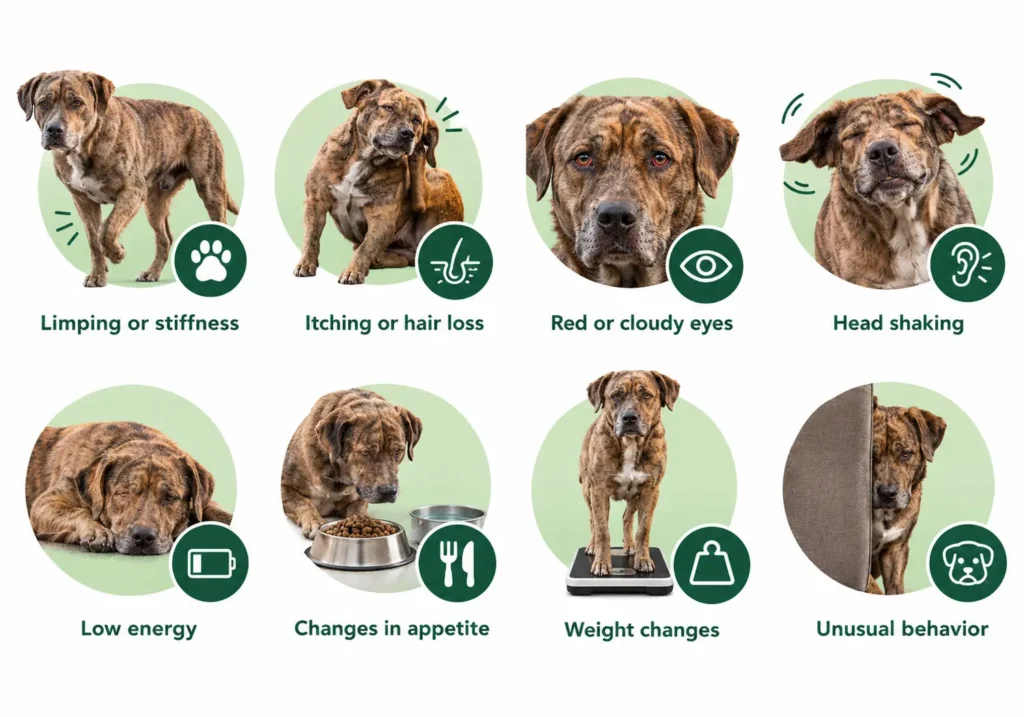
These signs do not always mean your dog has a serious illness. For example limping may happen because of a paw injury or a joint problem. A vet can check your dog and find the cause.
If you notice a change write down when it started. Watch to see if it gets better or worse. You can also take a short video of your dog walking strangely. This may help your vet understand the problem.
Never give your dog human pain medicine unless your vet tells you to do so. Some medicines made for people can be dangerous for dogs. If your dog has severe symptoms or its condition gets worse quickly contact a vet right away.
Hip Dysplasia and Joint Problems in Catahoula Bulldogs
Hip dysplasia is a common joint problem in dogs. The hip joint connects the back leg to the body. In a healthy hip the top of the thigh bone fits well inside the hip socket. When a dog has hip dysplasia these parts do not fit together properly. This can cause pain and damage to the joint over time.
This condition can run in families. Fast growth and extra weight can also put stress on the joints. Some dogs show signs when they are young while others may develop problems as they get older.
Signs of Hip and Joint Problems
Watch for these signs in your Catahoula Bulldog:
- Limping after exercise or rest.
- Stiffness when getting up after sleeping.
- Trouble climbing stairs or jumping into a car.
- Walking slowly or avoiding play.
- Pain when moving or touching the hip area.
- Trouble standing up after lying down.
These signs do not always mean your dog has hip dysplasia. A leg injury or another joint problem can cause similar signs. Your vet may check your dog’s legs and hips. They may also use X-rays to look for joint problems.
How to Keep Your Dog’s Joints Healthy
You cannot prevent every joint problem. But you can help protect your dog’s joints with good daily care.
First keep your dog at a healthy weight. Extra weight puts more pressure on the hips and knees. Give your dog balanced food and measure its meals each day.
Second provide regular gentle exercise. Daily walks and swimming can help build strong muscles without putting too much stress on the joints. Do not force puppies to do hard exercise or jump from high places while they are still growing.
Third talk to your vet before giving joint supplements or pain medicine. The right treatment depends on your dog’s age and health. Some dogs need weight control and changes to their exercise routine. Others may need medicine or surgery.
If your Catahoula Bulldog starts limping or has trouble walking take it to the vet. Early care can help reduce pain and keep your dog moving more comfortably.
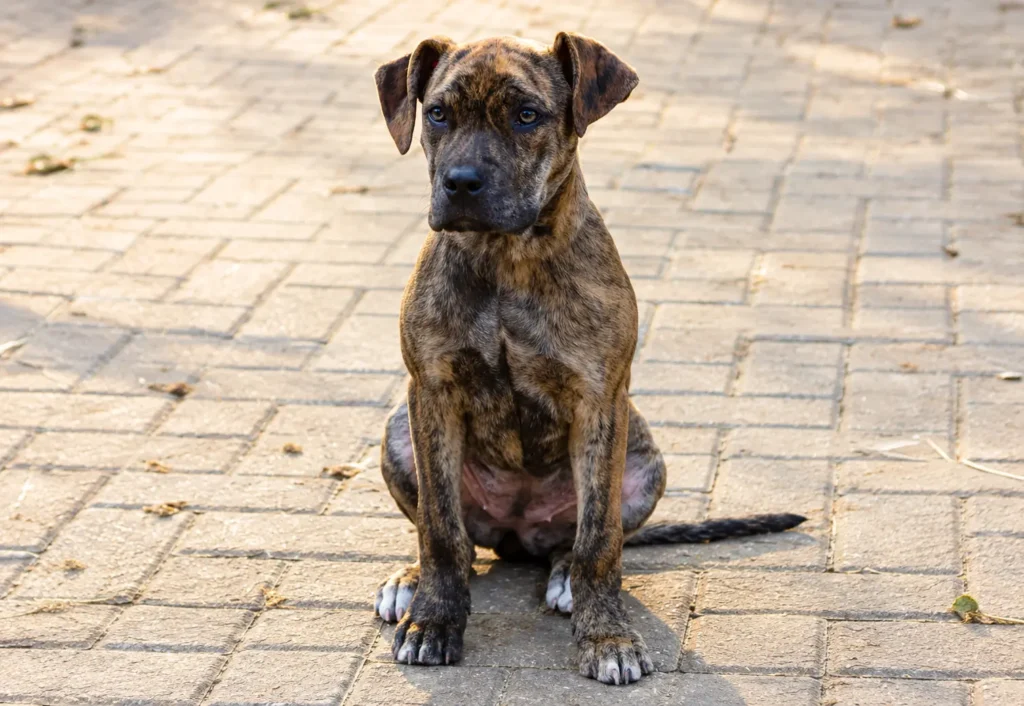
How to Prevent Health Problems in Catahoula Bulldogs
You cannot stop every illness but good daily care can help keep your Catahoula Bulldog healthy. Give your dog good food and regular exercise. Keep its skin and ears clean and take it to the vet for regular checkups.
Feed a Balanced Diet
Choose good dog food that suits your dog’s age and activity level. Puppies need food that helps them grow. Adult dogs need food that keeps them strong and active. Older dogs may need a different diet based on their health.
Measure your dog’s food at every meal and give fewer treats. Too much food can make your dog overweight. Extra weight puts more pressure on the hips and other joints. Always keep fresh water available. If your dog gains or loses weight without a clear reason ask your vet for advice.
Give Your Dog Regular Exercise
Catahoula Bulldogs are active dogs that need daily exercise. Take your dog for walks and let it play in a safe area. Choose activities that match its age and health. On hot days avoid hard exercise and provide plenty of water and shade.
Never force your dog to exercise if it seems hurt or starts limping. Let it rest and contact your vet for advice.
Keep the Ears and Skin Clean
Check your dog’s ears often. Look for redness and notice any bad smell. If your vet suggests ear cleaning use a cleaner made for dogs. Follow the instructions and never push cotton swabs deep into the ears.
Brush your dog’s coat often and check for fleas and ticks. Look for red skin and sores while brushing. If your dog keeps scratching or licking its skin ask your vet for help. Too many baths or new skin products may not solve the problem.
Visit the Vet Regularly
Regular vet visits help keep track of your dog’s health and weight. Ask your vet about vaccines and ways to prevent fleas and ticks. Also discuss dental care and possible hip or eye problems. Your vet can tell you if your dog needs a hearing test.
If you plan to get a puppy ask about the health of both parent dogs. Health checks can help find some inherited problems. However they cannot promise that your puppy will never get sick.
You can also check your dog at home every week. Watch how it walks and notice changes in its appetite. Look at its eyes and ears and check its skin for new lumps or sores. Finding these changes early can help you get the right care sooner.
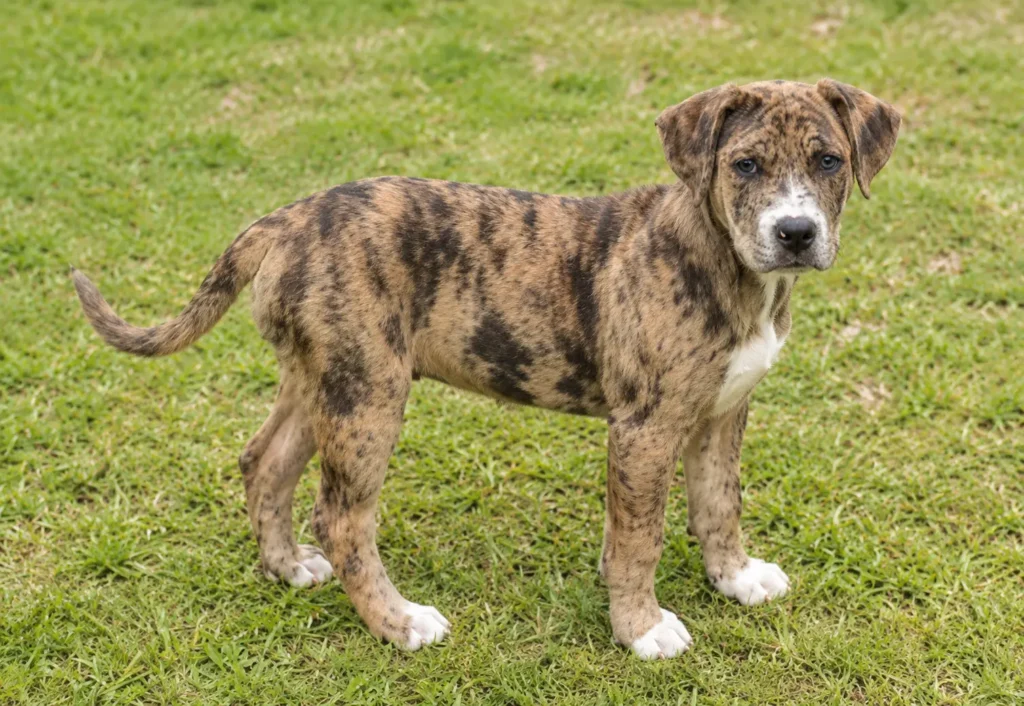
When to Take Your Catahoula Bulldog to the Vet
Knowing when to seek veterinary care is an important part of responsible dog ownership. Some symptoms can wait for a regular appointment while others need quick attention. If you are unsure how serious a problem is call your vet and explain what you have noticed.
Symptoms that need a vet appointment
Make an appointment if your dog shows any of these signs:
- Repeated itching or patches of missing hair.
- Red eyes or unusual eye discharge.
- Frequent head shaking or a bad smell from the ears.
- Limping that continues or keeps returning.
- Changes in appetite or thirst.
- Unusual tiredness or reduced interest in normal activities.
- New lumps or sores on the skin.
- Unexpected weight loss or weight gain.
Do not ignore symptoms just because your dog still eats or plays. Dogs may hide pain and continue their normal routine even when something is wrong. A vet can examine your dog and decide whether further tests or treatment are needed.
Warning signs that need urgent care
Some problems can become dangerous very quickly. Contact an emergency vet immediately if your dog has:
- Trouble breathing or sudden collapse.
- Severe pain or an inability to stand.
- A serious injury or heavy bleeding.
- Seizures or sudden weakness.
- Repeated vomiting with a swollen or painful belly.
- Repeated attempts to vomit without bringing anything up.
- Sudden loss of vision or a badly injured eye.
- Suspected poisoning.
A swollen belly with repeated dry retching can be a sign of bloat. This is a life-threatening emergency that needs immediate treatment. Do not wait to see if your dog improves on its own.
What to tell your vet
Before calling the clinic try to note when the symptoms started. Explain whether they are getting worse and whether your dog is eating and drinking normally. Mention any recent injuries or changes in food and activity.
Never give human medicine to your dog unless your vet directs you to do so. Some common medicines can be toxic to dogs. Prompt veterinary advice is the safest way to decide what treatment your pet needs.
Final Thought
Catahoula Bulldogs can live happy and active lives when their owners take good care of them. Like other dogs they can have health problems such as hip problems and eye issues. They may also suffer from skin allergies and ear infections. Knowing the signs can help you find problems early.
Feed your dog healthy food and keep its weight under control. Give it daily exercise that suits its age and health. Check its eyes and ears often. Keep its coat clean and take it to the vet for regular checkups.
Watch for changes in how your dog walks or eats. Also pay attention to changes in its behavior. If your dog has severe pain or trouble breathing get veterinary help right away. Contact your vet whenever you are worried about your dog’s health.
Good daily care cannot stop every illness. But it can help you find health problems early. This gives your Catahoula Bulldog a better chance of staying healthy and comfortable for many years.