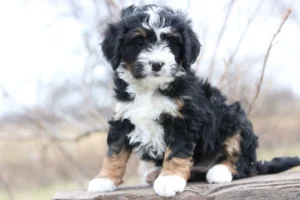

An Aussiedoodle can act like a ball of energy from morning until night. Your dog may race through the house. It may steal socks or jump on guests. Some Aussiedoodles bark for attention and push toys into their owners again and again.
This behavior can make owners ask one question. Why is my Aussiedoodle so hyper?
The answer is not always a lack of exercise. An Aussiedoodle may act wild because of boredom or poor sleep or an unclear routine. Some dogs also learn that barking and jumping bring fast attention.
An Aussiedoodle comes from an Australian Shepherd and a Poodle. Both parent breeds are active and smart. The Australian Shepherd has working dog ancestry. The Poodle also has strong learning ability and enjoys tasks.
This intelligent breed mix needs more than food and a short walk. It needs physical activity and brain work and enough rest.
A useful approach is to study the whole day. Look at exercise and mental stimulation and sleep and training. Also check food and social contact and quiet time.
Once you find what is missing it becomes much easier to build calm behavior.
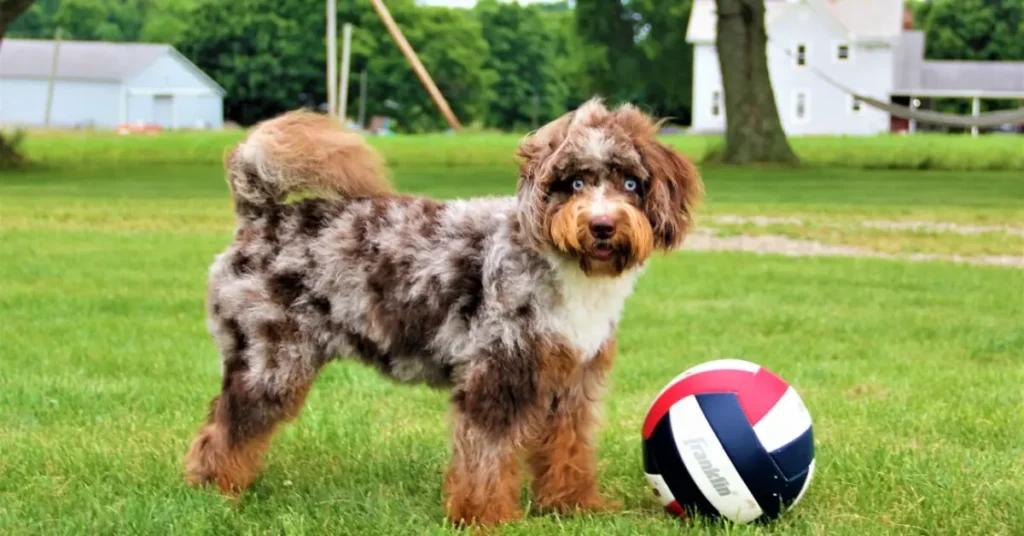
A lack of mental stimulation is one of the most overlooked causes of hyper behavior.
Many owners give their dogs long walks. The dog returns home and still acts restless. It may start chewing furniture or looking for trouble.
The body moved but the brain had no clear job.
Both parent breeds have active minds. The Australian Shepherd brain was developed to watch movement and respond to a handler. The Poodle learning ability also makes this breed quick to notice patterns.
An Aussiedoodle may become bored when every day looks the same. A walk around the same block may no longer feel challenging. Running in a garden also uses the body but may not provide real problem-solving.
A smart dog often creates its own activities when owners do not provide a clear task. It may open cupboards or steal household items. Some dogs bark at windows. Others dig or chase children.
Use simple mental enrichment throughout the day.
Good options include:
You do not need expensive toys. Hide part of the dog’s meal around one room. Let the dog use its nose to find each piece. You can also place kibble inside a folded towel. Supervise the dog during this kibble towel game so it does not eat the cloth.
Try teaching useful cues such as go to your mat or wait at a door. Other helpful skills include leaving it and dropping it and coming when called. A short five-minute training session can tire the brain better than twenty minutes of random running.
Keep each task easy at first. A dog learns faster when it receives an easy success. End the session before frustration starts. Mix active tasks with calm ones. Sniffing and licking and safe chewing can help the nervous system slow down. A pattern I often recommend is simple. Use one exciting activity and then one calm activity. Play a short game of fetch. Follow it with a food search or mat exercise.
Do not try to make the dog run until it falls asleep. This may only create a fitter dog that can run for longer. A better plan combines physical movement with brain work and calm training.
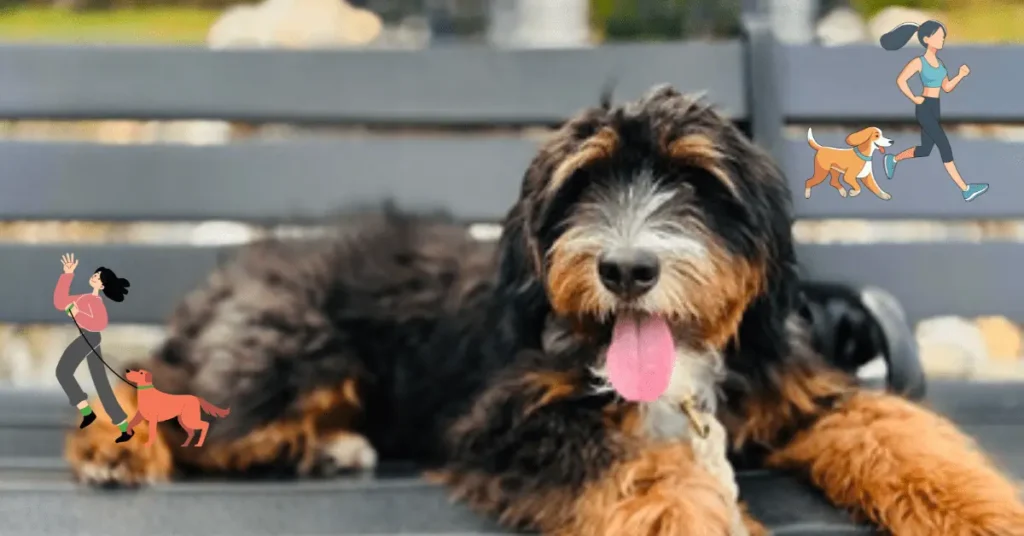
Poorly matched exercise is another reason for high Aussiedoodle energy. A short toilet walk may not be enough for an active adult dog. The dog returns home with most of its energy untouched. It then looks for another way to release it.
This may lead to:
The exact Aussiedoodle exercise needs depend on age and size and health. Personality and parent traits also matter. A standard Aussiedoodle may need more activity than a smaller dog. A young adult may also have more stamina than a senior.
Healthy adults may enjoy brisk walks and swimming and hiking. Fetch and tug and controlled running can also work well. Try spreading activity across the day instead of using one long exercise session.
A useful schedule may include:
A sniff walk gives the dog a chance to study smells. This can provide physical activity and mental work at the same time. Do not judge a walk only by distance. Ten minutes of careful sniffing may tire the brain more than twenty minutes of pulling along a road.
Puppies need a safer exercise plan. Their growing joints are not ready for repeated long runs or forced high-impact activity. Use short walks and brief play sessions. Allow the puppy to stop when it feels tired.
Watch for overexertion. Warning signs can include irritability and difficulty lying down. Some dogs show slow responses or an unusual sitting posture. Your dog should look satisfied after exercise. It should not return home with frantic behavior.
When activity makes the dog more wild the session may have been too exciting or too long.
Puppy age and high energy often go together.
A young Aussiedoodle does not have the same self-control as an adult dog. It may run in circles and bite a toy and then fall asleep a few minutes later. These short energy bursts are often called puppy zoomies. A puppy explores every new sound and smell. A visitor feels exciting. A moving shoe looks like something to chase.
Young dogs also lack impulse control. They must learn how to wait and release objects and greet people calmly. The adolescent stage may feel even harder. A puppy that listens well at four months may become distracted later. Hormonal changes and brain development can increase confidence. The dog may test rules or ignore known cues.
This does not always mean the training failed. Keep the household rules simple and clear. Do not allow jumping one day and punish it the next. Avoid mixed rules around stolen objects. Chasing a dog for a sock can turn sock stealing into a fun game.
Young Aussiedoodles benefit from:
Reward the puppy when it makes a good choice. Praise it for picking up its own toy. Reward quiet sitting and lying on a bed. Do not compare a five-month-old puppy with a calm five-year-old dog. Their brains and experience levels are very different.
Age often improves wild behavior. Still owners should not wait for maturity while poor habits grow stronger. Calmness training should start early.

A tired dog does not always look sleepy.
An overtired Aussiedoodle may look completely out of control. It may start biting harder or running around furniture. Owners often respond by adding more play. This can make the problem worse.
Common signs of overstimulation and overtired behavior include:
Too much excitement can come from a busy dog park or a long outing. Repeated ball throwing can also keep the dog in a high state.
Other triggers may include loud children or several visitors. A full day away from home can also leave the dog unable to settle.
Look for early warning signs. Stop the activity while the dog can still respond to you. Create a calm sleeping area. This may be a crate introduced in a positive way or a puppy pen or a quiet room.
Use comfortable bedding and reduced light. Lower the noise in the home. Offer a safe chew when suitable. Then allow the dog to rest without people touching it again and again. Build a calm transition after exciting events.
Use these simple pairs:
A trigger diary can help you notice patterns. Write down the time of day and the activity and the dog’s sleep. Also record meals and visitors and the behavior that happened next. You may find that the worst wild period happens when the dog has been awake too long.
A poor daily routine can make an Aussiedoodle restless.
Dogs often behave better when the day feels predictable. They want to know when they will eat and walk and play and rest. Without a clear Aussiedoodle schedule the dog may keep asking for activity. It may bark or paw at you or carry toys around. A routine does not mean every event must happen at the same exact minute. It means the day follows a familiar order.
A useful routine may look like this.
At first the dog may protest. Stay calm and provide an appropriate chew. Reward quiet behavior without creating fresh excitement. A routine also helps you notice change. A dog that normally settles after dinner but suddenly starts evening pacing may need a health check or schedule adjustment.
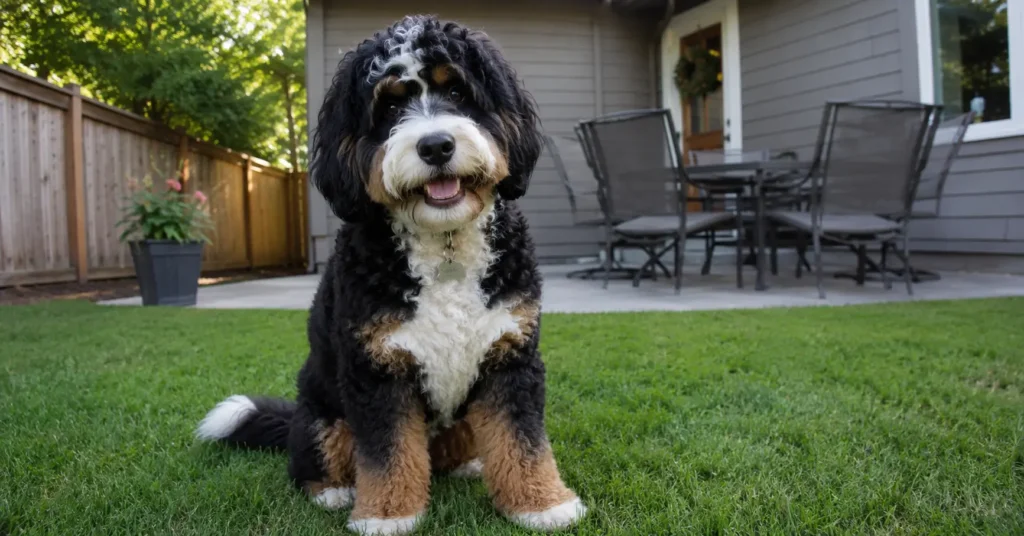
Some hyper behavior continues because it works. The dog jumps and the owner speaks. It barks and the owner looks at it. It steals a sock and the owner starts chasing.
From the dog’s point of view the behavior earned a reward. Even an angry owner’s reaction can become accidental attention. This pattern often appears in attention-seeking and excitement. Suppose your dog jumps when you return home. Avoid shouting or pushing it down. Turn slightly away and wait for four paws on the floor. Then offer calm attention.
Suppose the dog starts food barking while you prepare dinner. Pause your movement. Wait for a quiet moment before continuing. Suppose the dog drops a toy in your lap all evening. Create planned play periods instead of starting a game every time. Outside playtime guide the dog to a mat cue or safe chew.
The main goal is to reward desired behavior. Many owners miss quiet moments. The dog lies down and receives nothing. Then it jumps and receives instant attention.
Dangerous actions should never be ignored. Stop electrical wire chewing and manage doors near roads. Ignoring works only for safe attention-seeking behavior.
Good training does not remove the dog’s personality. It teaches control and recovery. These training tips to calm a hyper Aussiedoodle focus on reward-based methods. Avoid aversive tools and physical punishment. Fear may stop behavior for a moment but it does not teach the dog what to do.
Place a mat on the floor. Reward the dog for looking at it. Then reward one paw and two paws. Finally reward the whole-body settle. Give small treats while the dog stays there. Release it before it gets up. Build duration slowly. The mat can help during meals and guests and work calls.
Use part of the normal meal as meal rewards. This adds brain work without too many extra calories.
After exercise, guide the dog toward its bed. Offer a calm chew and sit nearby. Reward relaxed body language. Look for slower breathing or a lowered head. A dog resting one hip to the side may also be relaxing.
Do not repeat the same command many times. Use a single clear cue and give the dog time to think. Reduce distractions when it cannot respond.
Use several three-to-five-minute sessions instead of one long lesson. Stop after a good response.
Most energetic Aussiedoodles improve with a balanced routine. Sudden or extreme behavior needs closer attention. Contact a veterinarian when the change appears suddenly or comes with pain and shaking.
Other warning signs include heavy panting without heat or exercise and loss of appetite. Vomiting or diarrhea also needs attention. Watch for constant pacing and confusion and seizures. Unusual thirst or sleep problems may also point to medical factors.
Pain and neurologic problems and hormonal disorders can change behavior. True clinical hyperactivity is different from a young energetic dog. Most dogs described as hyper need better exercise or enrichment or sleep. Seek a qualified reward-based trainer when the dog cannot settle even with a balanced plan.
A veterinary behaviorist may help when anxiety or severe reactivity or compulsive behavior appears. Keep a behavior log before the appointment. Record sleep and exercise and food and triggers. Note the behavior duration and recovery time. A safe video may also help the professional understand the problem.
An Aussiedoodle may act hyper because it has an active brain and active body. The dog may need more exercise. It may also need better mental work or protected sleep or a clear routine. Do not focus only on endless running. Use walks and play for the body. Use training and scent games for the brain.
Reward calm choices instead of giving accidental attention to barking or jumping. Teach the dog when to work and when to play and when to rest. A balanced Aussiedoodle does not become lazy. It simply learns how to use its energy in a safer and calmer way.