Petsay
June 17, 2026
By Haseeb Rehman
Many people love Bernedoodles because they look soft and cute. They have a sweet face. They can have a fluffy coat. They also come from the Bernese Mountain Dog and the Poodle. This makes many people think they are safe for people with dog allergies.
The truth is simple. Bernedoodles can be allergy friendly for some people. But they are not fully hypoallergenic. No dog is fully allergy free. A dog can still cause sneezing. A dog can still cause itchy eyes. A dog can still cause a runny nose. A dog can still cause breathing trouble for some people.
Dog allergies do not only come from hair. They can come from skin flakes. They can come from saliva. They can come from pee. These tiny things can stick to the coat. They can also spread around the home.
Some Bernedoodles shed less than many other dogs. This can help some allergy people. A curly coat may hold loose hair better. A wavy coat may also be better than a straight coat. But each dog is different.
This guide explains if Bernedoodles are hypoallergenic. It also explains shedding coat types F1B Bernedoodles Mini Bernedoodles and home care tips. The goal is to help you make a smart choice before you bring a Bernedoodle home.
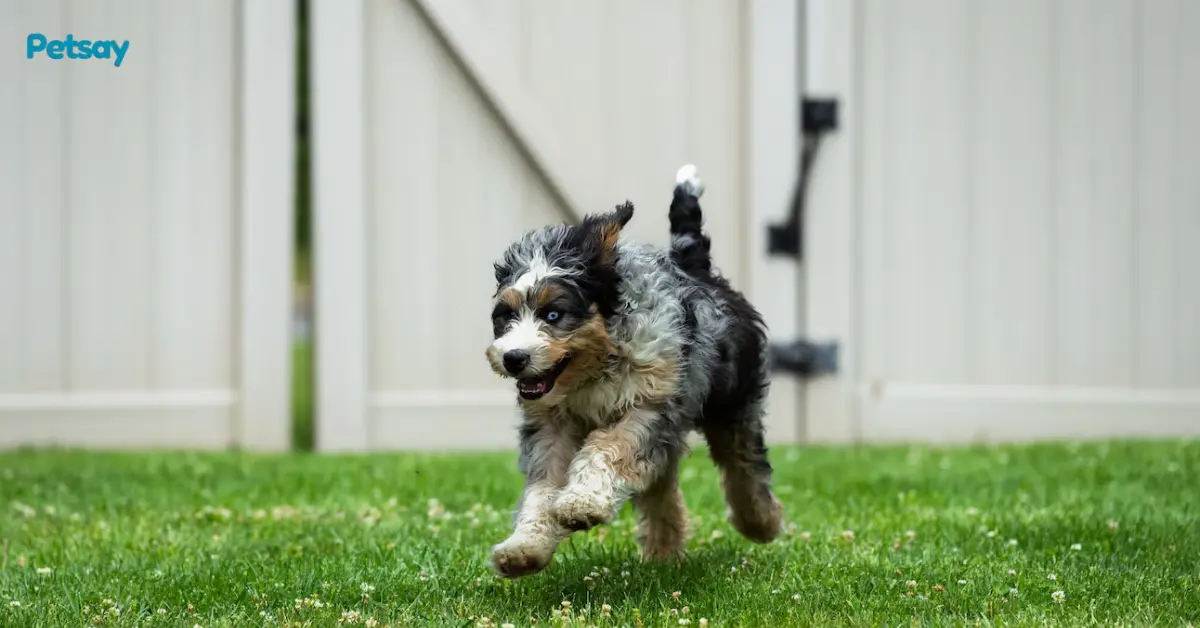
Smart low shedding family friendly companion dog
Mini Bernedoodles are generally healthy but they need regular vet care good food and daily exercise to stay in good shape
They became popular in the United States in the early 2000s as a designer crossbreed.
Bernedoodle
14 to 17 years
Children dogs families seniors and other pets
They need regular brushing and grooming to keep their coat clean healthy and free from tangles
High
Seasonal
Designer / Hybrid CrossBreed
Some Mini Bernedoodles may have different coat patterns and can sometimes show unique markings from both parent breeds
Bernese Mountain Dog crossed with Miniature Poodle
Easy to train socialization early basic commands and positive reward based training works best
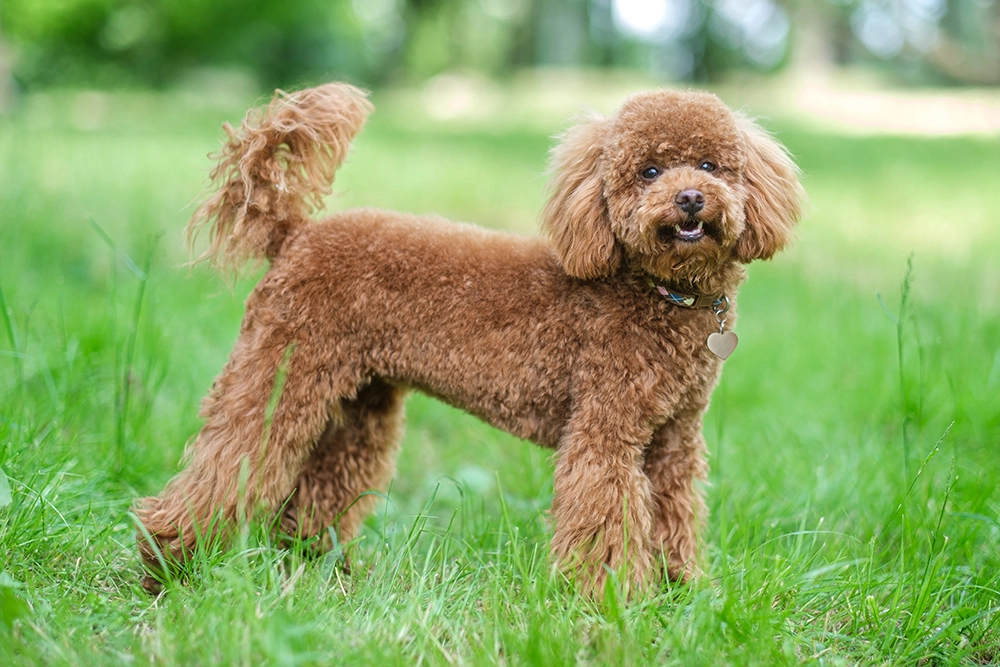
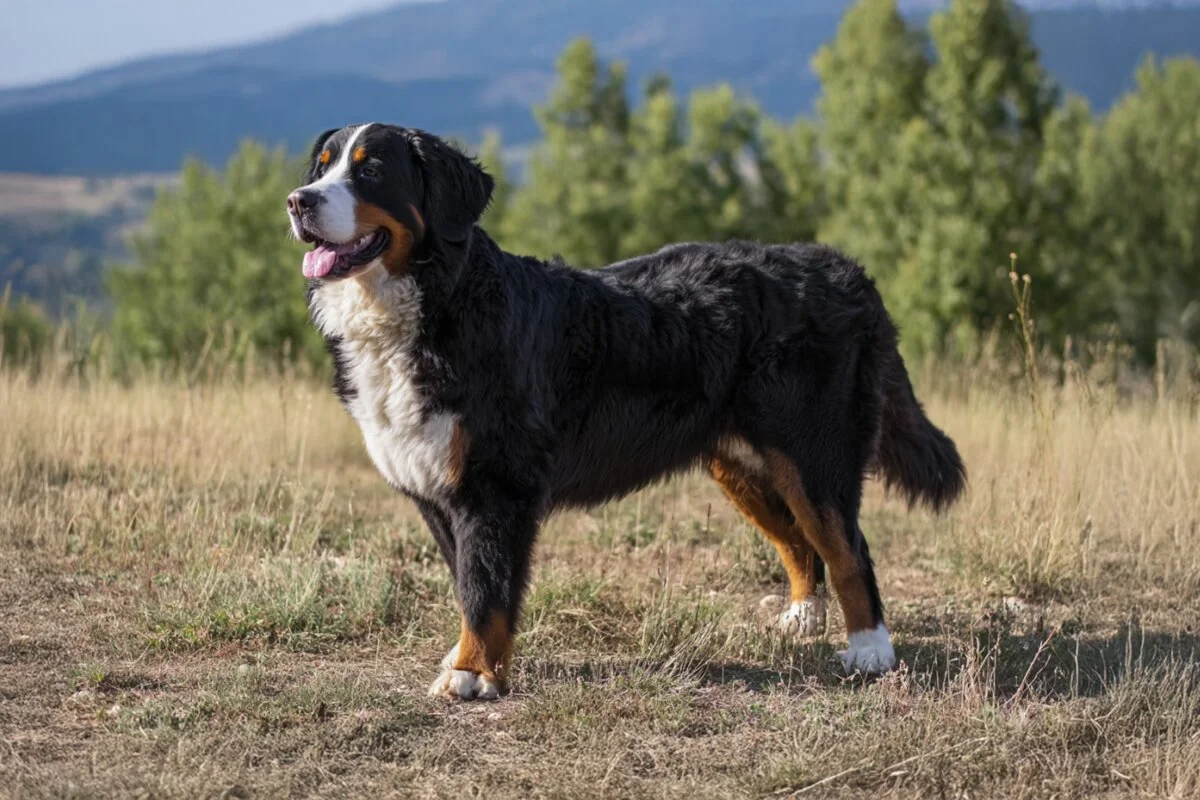
A journey of love and intelligence through generations of exceptional breeds.
The Mini Bernedoodle became popular as a designer dog breed in the early 2000s. It was created when breeders crossed a Bernese Mountain Dog with a Miniature Poodle. Their goal was to create a family dog that would have the best qualities of both parent breeds.
The Bernese Mountain Dog comes from Switzerland and has been around for more than 2000 years. It was originally used as a farm dog and became known for being loyal gentle and hardworking. The Miniature Poodle also has a long history that goes back hundreds of years. This breed is famous for being very smart and having a coat that sheds very little.
Breeders wanted to combine the loving and calm nature of the Bernese Mountain Dog with the intelligence and longer lifespan of the Miniature Poodle. The result was the Mini Bernedoodle. A smart friendly and low shedding dog that quickly became a favorite among families in the United States and Canada.
Today the Mini Bernedoodle is one of the most popular designer dog breeds. Families love them because they are easy to train friendly with people and able to fit into many different types of homes and lifestyles.
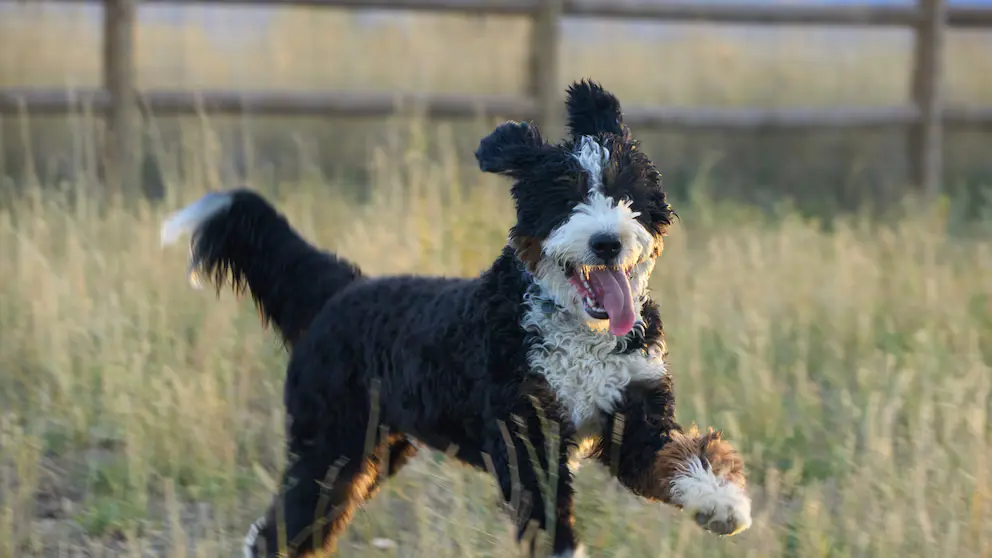
Bernedoodles are not truly hypoallergenic. They may be better for some people with allergies. But they are not allergy proof. A person can still react to a Bernedoodle.
A Bernedoodle has Poodle genes. Poodles are known for low shedding coats. This is one reason people think Bernedoodles are hypoallergenic. Some Bernedoodles shed less. Less shedding can mean less hair around the home. This may help reduce some allergy triggers.
But low shedding does not mean no allergy. A dog can still make skin flakes. A dog can still lick itself. Saliva can dry on the coat. Then it can spread in the air or around the home. This can still bother allergy people.
Some owners with mild allergies do fine with a Bernedoodle. Some owners still have allergy signs. It depends on the person and the dog. It also depends on coat type grooming cleaning and how strong the allergy is.
A Bernedoodle with a curly coat may be better for many allergy people. A straight coat Bernedoodle may shed more. A dog that sheds more may spread more loose hair and skin flakes.
So the best answer is this. Bernedoodles can be more allergy friendly than some dogs. But they are not fully hypoallergenic.
Mini Bernedoodles need daily exercise to stay healthy happy and well-behaved. They are active dogs that enjoy walks, playtime and fun outdoor activities. A good routine usually includes 30 to 60 minutes of exercise every day depending on their age and energy level. They love games like fetch running in the yard and exploring new places. Mental exercise is also important for them so training sessions puzzle toys and learning new tricks help keep their mind busy. If they do not get enough activity they can become bored which may lead to chewing barking or restlessness. Regular exercise helps them stay calm fit and emotionally balanced which makes them a great family companion.
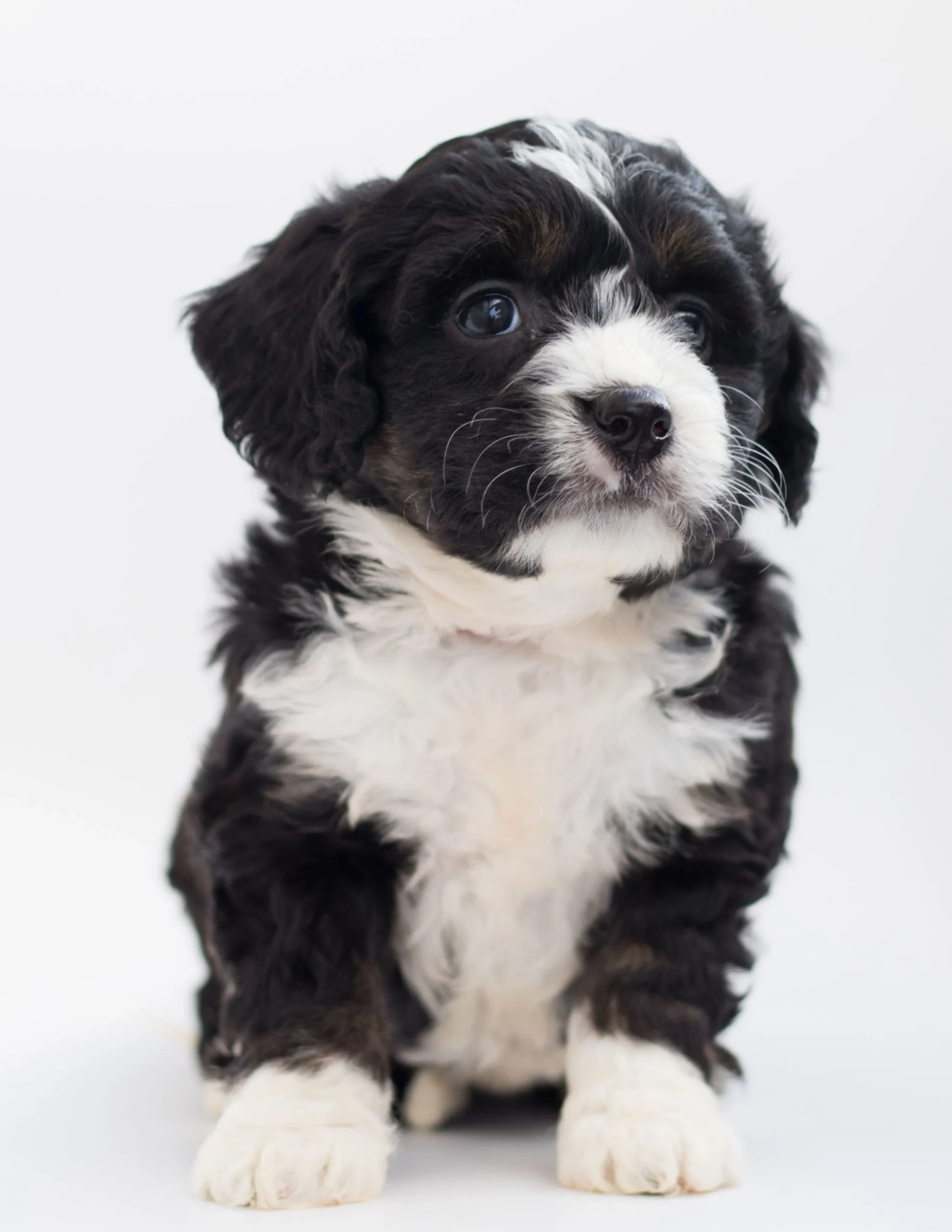
30 to 60 minutes per day for very active or Mini Bernedoodle
How to Split the Time
2 walks a day
(20–30 minutes each)
Playtime (fetch, tug, running)
15 minutes
Mental games or training
15 minutes
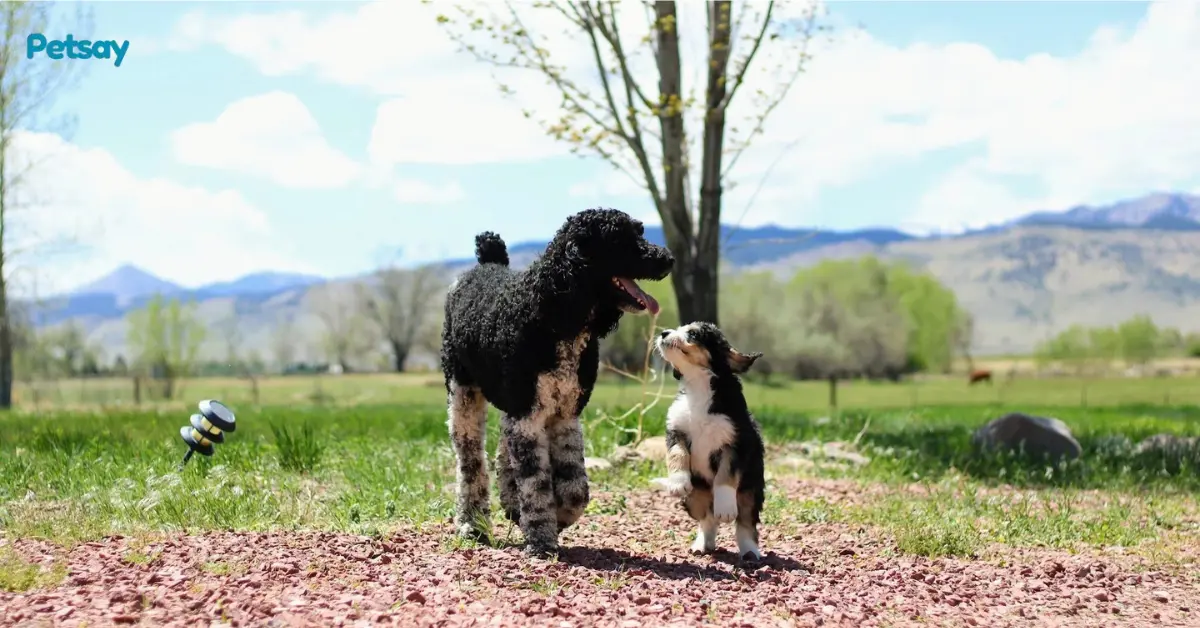
No dog is 100 percent hypoallergenic because all dogs make allergy triggers. These triggers are not only in the fur. They can be in the skin. They can be in saliva. They can be in pee.
Many people think dog hair is the main problem. Dog hair can carry the allergy stuff. But the hair itself is not always the only issue. Skin flakes can stick to hair. Saliva can stick to hair. Then the dog moves around the home and spreads it.
This is why a low shedding dog can still cause allergies. It may shed less hair. But it can still have skin flakes and saliva on the coat. It can still lick people. It can still sleep on furniture. It can still leave tiny allergy pieces in the home.
The word hypoallergenic can be confusing. It does not mean zero allergy. It usually means the dog may cause fewer allergy problems for some people. But it is not a promise.
Important things to know:
A person with strong allergies should be careful. It is better to spend time with the dog first. It is also smart to talk to a doctor or allergy expert before getting a dog.
Exercise Needs
Active Explorer
Health Issues
Strong & Resilient
Grooming Needs
Fluffy Maintenance
Training Needs
Quick Learner
Shedding Level
Light Shedding
Friendliness
People Lover
Playfulness
Forever Fun
Energy Level
Always On-the-Go
Apartment Living
Compact Friendly
Cold Weather Tolerance
Mild Chiller
Warm Weather Tolerance
Summer Ready
First-Time Owner Suitability
Beginner Friendly
Good with Kids
Family Favorite
Good with Cats
Feline Friendly
Good with Other Dogs
Pack Buddy
First-Time Owner Suitability
Beginner Friendly
Bernedoodle shedding can be low or medium. It depends on the coat. It also depends on how much the dog takes after the Poodle side or the Bernese Mountain Dog side.
A Bernese Mountain Dog sheds a lot. A Poodle sheds much less. A Bernedoodle can fall anywhere between these two sides. This is why some Bernedoodles are low shedding and some shed more.
A curly Bernedoodle may shed less. Loose hair can get caught in the curls. This can make the coat better for some allergy people. But that loose hair still needs to be brushed out. If it is not brushed then it can turn into mats.
A wavy Bernedoodle may shed a little more than a curly coat. But many wavy coats are still low to medium shedding. A straight coat may shed more because it may be closer to the Bernese side.
Shedding matters because loose hair can carry skin flakes. When hair falls around the home it can carry allergy stuff with it. This can collect on the floor couch bed and clothes.
Signs that shedding may be a problem:
Regular brushing can help. Bathing can help when done the right way. Cleaning the home can also help. But if your allergy is strong then shedding may still bother you.
F1B Bernedoodles can be better for allergies in many cases. An F1B Bernedoodle is usually an F1 Bernedoodle bred back to a Poodle. This means it often has more Poodle genes.
More Poodle genes can mean a curlier coat. It can also mean less shedding. This is why many people with allergies look for F1B Bernedoodles.
But an F1B Bernedoodle is not a perfect answer. It can still cause allergies. It can still have saliva skin flakes and other allergy triggers. It can still need grooming and home cleaning.
An F1 Bernedoodle has one Bernese parent and one Poodle parent. Its coat can be harder to guess. Some F1 dogs are wavy. Some are curly. Some may shed more than expected.
An F1B Bernedoodle may have a better chance of a curly coat. But even in the same litter puppies can look different. One puppy may be curlier. Another puppy may be more wavy.
Why F1B may be better:
What to remember:
If you want a Bernedoodle and have allergies then an F1B with a curly coat may be one of the better choices.
Mini Bernedoodles may shed less than many dogs. But mini size does not always mean less shedding. Shedding is more about coat type than body size.
A Mini Bernedoodle can have a curly coat. It can have a wavy coat. It can also have a straighter coat. A curly Mini Bernedoodle may shed less. A straight Mini Bernedoodle may shed more.
The smaller size can help in one way. A smaller dog has less body area than a large dog. This may mean less total hair in the home. But this does not mean no allergy. A small dog can still make skin flakes and saliva.
Mini Bernedoodles are popular because they are easier for many homes. They are smaller than Standard Bernedoodles. They can be easier to bathe. They can be easier to brush. They may also be easier to control during grooming.
Mini Bernedoodle allergy facts:
If you want a Mini Bernedoodle for allergy reasons then do not only look at size. Look at coat type. Ask about the parents. Ask about past puppies. Meet the dog if you can.
Bernedoodles are not fully hypoallergenic. No dog is 100 percent hypoallergenic. Bernedoodles can still make allergy triggers through skin flakes saliva and pee.
Some Bernedoodles may work better for people with mild allergies. This is often because of the Poodle side. Curly and wavy coats may shed less. F1B Bernedoodles may also be a better choice because they often have more Poodle genes.
But every dog is different. One Bernedoodle may bother your allergies. Another may not bother you as much. Coat type grooming and home cleaning all matter.
If you have allergies then choose carefully. Spend time with the dog first. Look for a curly or wavy coat. Keep the dog clean. Brush often. Wash bedding often. Keep your bedroom dog free. Ask a doctor if you have strong allergy signs.
A Bernedoodle can be a loving family dog. It can be smart sweet and fun. But it is not a magic allergy free dog. The best choice is a dog that fits your health your home and your daily life.