Petsay
June 12, 2026
By Haseeb Rehman
Bernedoodle lifespan is an important topic for anyone who wants this sweet and fluffy dog. A Bernedoodle is a mix between a Bernese Mountain Dog and a Poodle. This dog is loved because it is smart. It is loving. It has a soft coat. It can also be a great family dog.
Most Bernedoodles can live a long and happy life when they get good care. Their life span can change by size. Mini Bernedoodles usually live longer than Standard Bernedoodles. This happens because smaller dogs often live longer than large dogs.
A Bernedoodle life span is not only about size. It also depends on health. Food. Weight. Exercise. Vet care. Breeder quality. Family history. Daily care. A dog with good care can have a better chance of living longer.
This guide explains Bernedoodle lifespan in a simple way. You will learn the average life span. Mini Bernedoodle lifespan. Standard Bernedoodle lifespan. Health factors. Common health problems. Diet. Exercise. Weight control. And simple tips to help your Bernedoodle live longer.
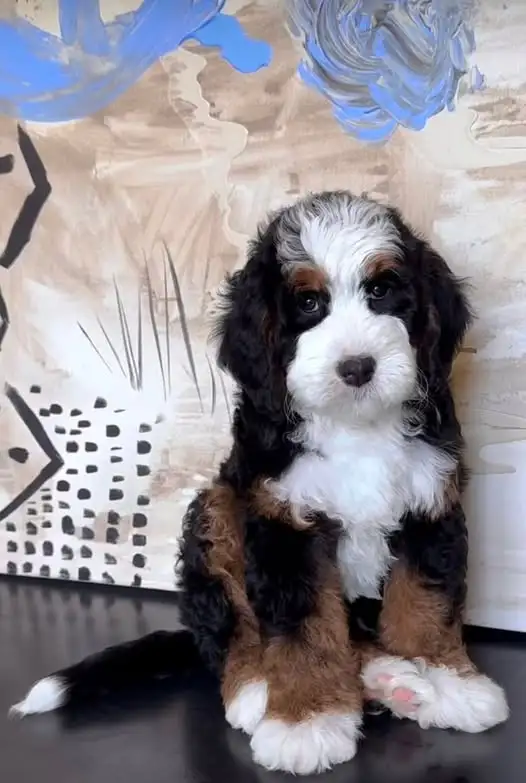
Smart low shedding family friendly companion dog
Mini Bernedoodles are generally healthy but they need regular vet care good food and daily exercise to stay in good shape
They became popular in the United States in the early 2000s as a designer crossbreed.
Bernedoodle
14 to 17 years
Children dogs families seniors and other pets
They need regular brushing and grooming to keep their coat clean healthy and free from tangles
High
Seasonal
Designer / Hybrid CrossBreed
Some Mini Bernedoodles may have different coat patterns and can sometimes show unique markings from both parent breeds
Bernese Mountain Dog crossed with Miniature Poodle
Easy to train socialization early basic commands and positive reward based training works best
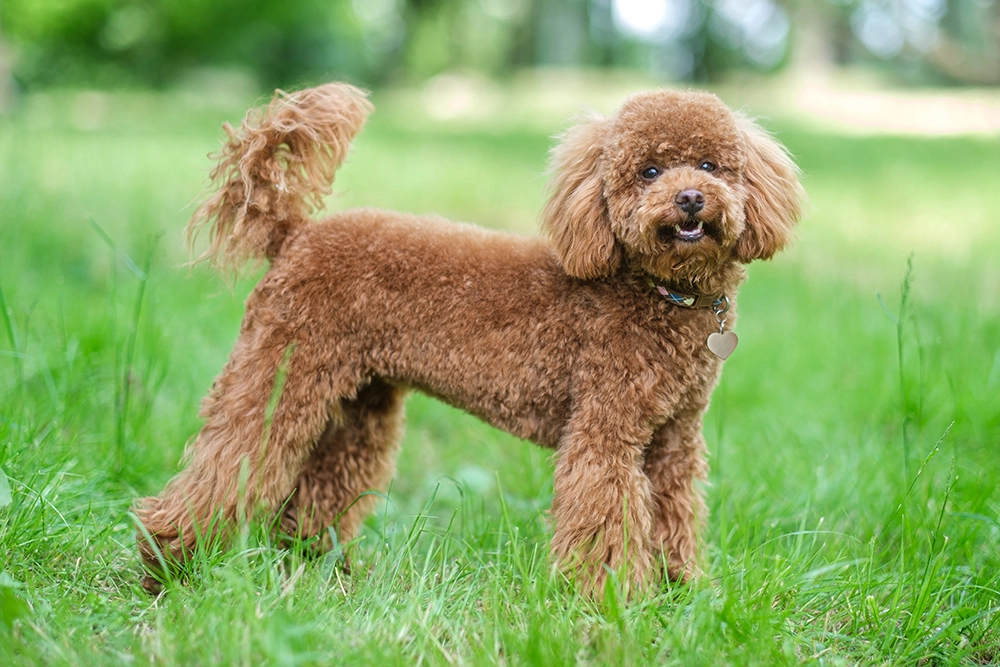
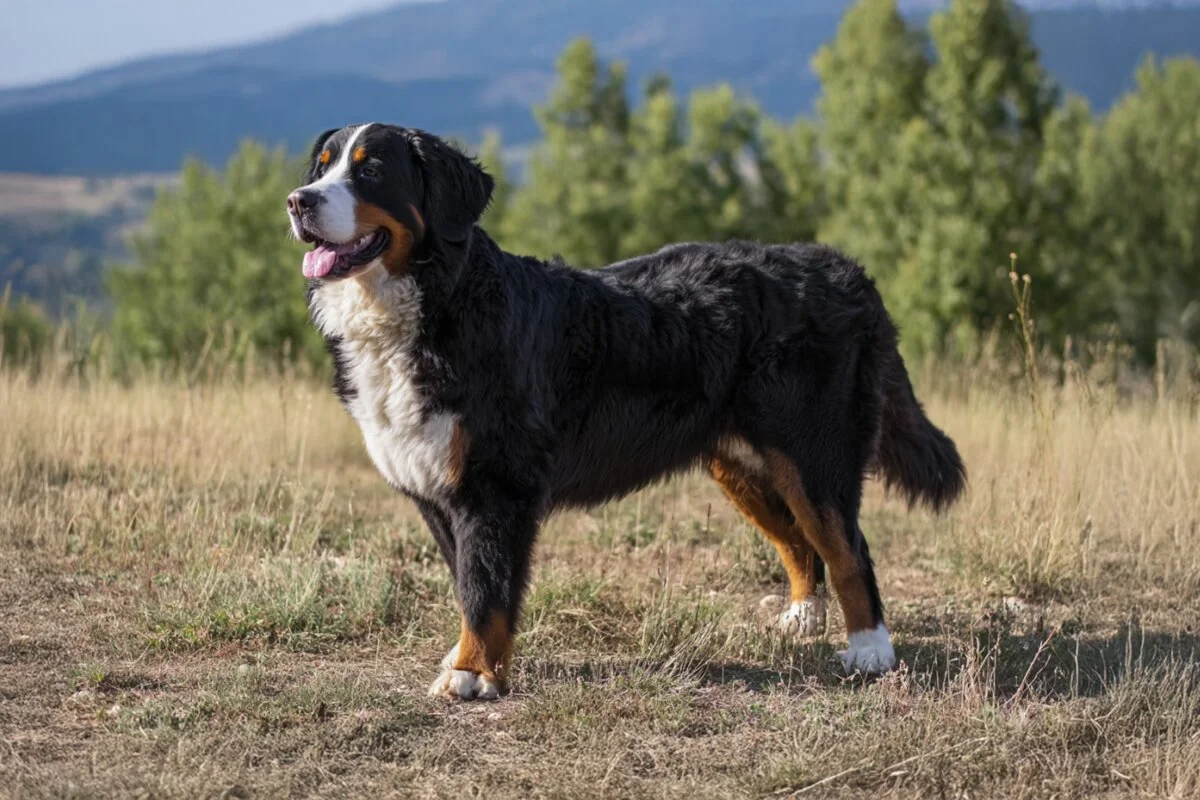
A journey of love and intelligence through generations of exceptional breeds.
The Mini Bernedoodle became popular as a designer dog breed in the early 2000s. It was created when breeders crossed a Bernese Mountain Dog with a Miniature Poodle. Their goal was to create a family dog that would have the best qualities of both parent breeds.
The Bernese Mountain Dog comes from Switzerland and has been around for more than 2000 years. It was originally used as a farm dog and became known for being loyal gentle and hardworking. The Miniature Poodle also has a long history that goes back hundreds of years. This breed is famous for being very smart and having a coat that sheds very little.
Breeders wanted to combine the loving and calm nature of the Bernese Mountain Dog with the intelligence and longer lifespan of the Miniature Poodle. The result was the Mini Bernedoodle. A smart friendly and low shedding dog that quickly became a favorite among families in the United States and Canada.
Today the Mini Bernedoodle is one of the most popular designer dog breeds. Families love them because they are easy to train friendly with people and able to fit into many different types of homes and lifestyles.

The average Bernedoodle lifespan is often around 12 to 18 years. This range is wide because Bernedoodles come in different sizes. A small Bernedoodle may live closer to the higher end. A large Bernedoodle may live closer to the lower end.
A Standard Bernedoodle usually has a shorter life span than a Mini or Toy Bernedoodle. This is common in many dog breeds. Large dogs often age faster than small dogs. This does not mean a Standard Bernedoodle cannot live a long life. It only means size can affect the average life span.
Bernedoodles may live longer than Bernese Mountain Dogs in many cases. The Bernese Mountain Dog side is known for a shorter life span than many breeds. The Poodle side often brings a longer life span. This mix can help some Bernedoodles live longer than a pure Bernese Mountain Dog.
Still no one can promise the exact age a Bernedoodle will live. A puppy from healthy parents has a better start. A dog that gets good food and regular vet care has a better chance. A dog that stays at a healthy weight also has a better chance.
A long life is not only about years. It is also about quality of life. A healthy Bernedoodle should be able to walk. Play. Eat well. Rest well. And enjoy family time.
Mini Bernedoodles often live about 14 to 16 years. Some may live longer with good care. Mini Bernedoodles are smaller than Standard Bernedoodles. This smaller size can help them live longer in many cases.
A Mini Bernedoodle is usually made from a Bernese Mountain Dog and a Miniature Poodle or from Bernedoodle lines with smaller parents. Their size can still vary. Some are closer to medium size. Some are smaller. The smaller and healthier dog may have a better chance of reaching an older age.
Mini Bernedoodles can be active and playful. They need walks and play time. They also need mental work because they are smart. A bored Mini Bernedoodle may become stressed or may start bad habits. A happy daily routine can help both mind and body.
Mini Bernedoodles still need health checks. Small size does not remove all health risks. They can still have joint issues. Eye issues. Skin issues. Ear problems. Or stomach problems. Good care helps catch these issues early.
A Mini Bernedoodle can be a good choice for families who want a dog that may live longer than a large dog. But the owner must be ready for grooming. Training. Exercise. Food care. And vet visits for many years.
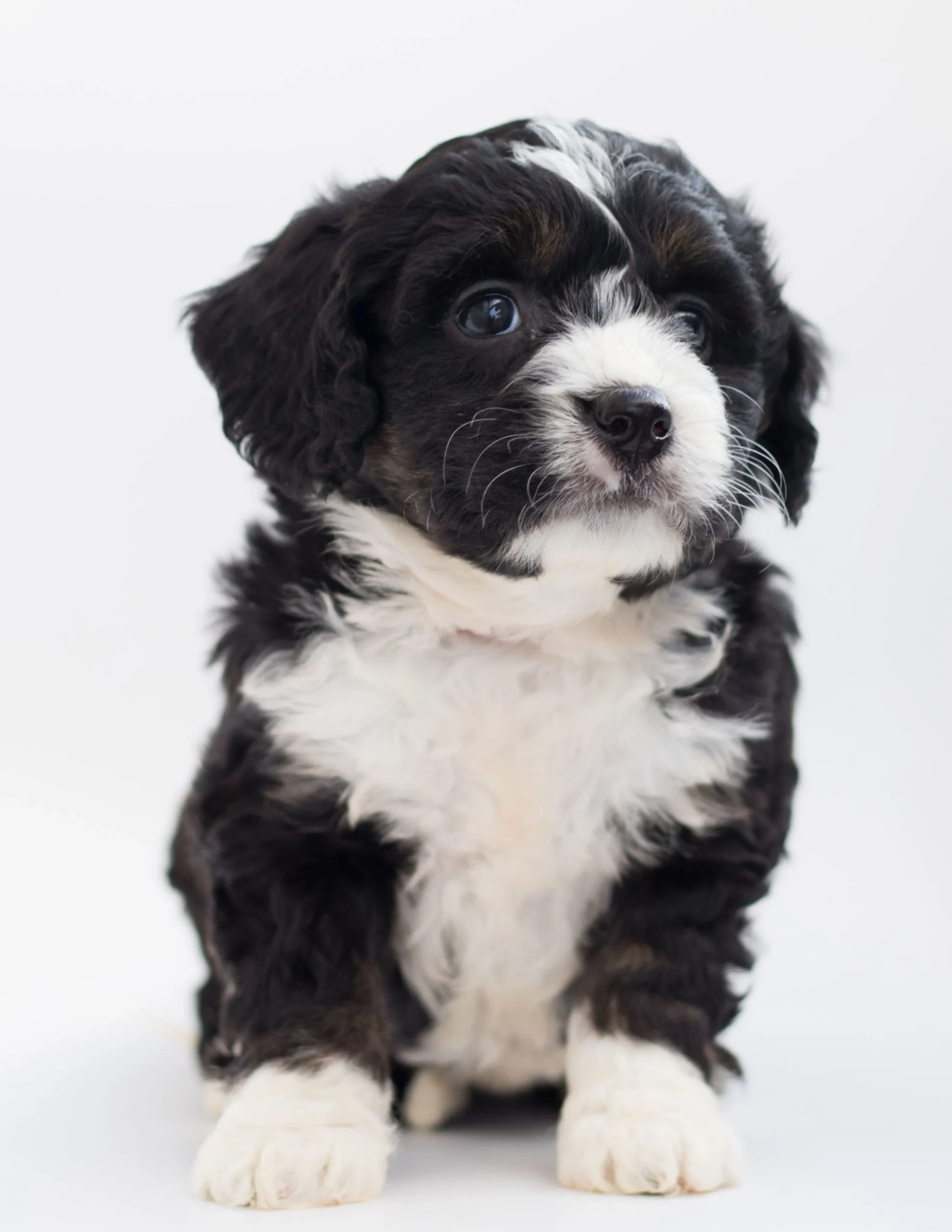
30 to 60 minutes per day for very active or Mini Bernedoodle
How to Split the Time
2 walks a day
(20–30 minutes each)
Playtime (fetch, tug, running)
15 minutes
Mental games or training
15 minutes
Many things can affect Bernedoodle lifespan. Some things come from birth. Some things come from daily care. A good owner cannot control everything but can control many important parts of the dog life.
Important lifespan factors include:
Genetics matter a lot. Genetics means the health traits passed from parents to puppies. A good breeder tests parent dogs before breeding. This can lower the risk of some health issues.
Size also matters. Smaller Bernedoodles often live longer than bigger ones. This is why Mini and Toy Bernedoodles may have a longer average life span than Standard Bernedoodles.
Daily care is also very important. A dog that eats too much may gain weight. A dog that never gets exercise may lose muscle. A dog that never sees a vet may have hidden health issues. These things can affect life span.
Love is important but love alone is not enough. A Bernedoodle also needs a real care plan. Food. Vet visits. Grooming. Safe exercise. Clean ears. Healthy teeth. And a stable home all matter.




Exercise Needs
Active Explorer
Health Issues
Strong & Resilient
Grooming Needs
Fluffy Maintenance
Training Needs
Quick Learner
Shedding Level
Light Shedding
Friendliness
People Lover
Playfulness
Forever Fun
Energy Level
Always On-the-Go
Apartment Living
Compact Friendly
Cold Weather Tolerance
Mild Chiller
Warm Weather Tolerance
Summer Ready
First-Time Owner Suitability
Beginner Friendly
Good with Kids
Family Favorite
Good with Cats
Feline Friendly
Good with Other Dogs
Pack Buddy
First-Time Owner Suitability
Beginner Friendly
Bernedoodles can be healthy dogs. But they can still get health issues from either parent breed. The Bernese Mountain Dog side and the Poodle side can both bring some risks.
Common health issues that may affect Bernedoodles include:
Not every Bernedoodle will get these problems. Many Bernedoodles live healthy lives. But knowing the risks helps owners watch for early signs.
Hip and elbow problems can make walking painful. This is more important for large Bernedoodles. Keeping the dog at a healthy weight can help lower stress on joints.
Ear infections can happen because many Bernedoodles have floppy ears. Hair and moisture can stay in the ear. Regular ear checks can help. Bad smell. Redness. Head shaking. Or scratching can be signs of ear trouble.
Bloat is a serious issue that can happen in large deep chested dogs. It can become life threatening fast. Signs may include a swollen belly. Trying to vomit but nothing comes out. Restlessness. Pain. Or weakness. This needs emergency vet care.
A good breeder and a good vet can help lower risk and catch problems early.
You can help your Bernedoodle live longer by giving steady care every day. Small habits matter. A healthy life comes from many simple choices repeated over time.
Start with a good breeder or rescue. If buying a puppy ask for health testing of parent dogs. Ask about hips. Elbows. Eyes. Heart. And other health records. A good start can make a big difference.
Take your Bernedoodle to the vet for regular checkups. A vet can catch health issues early. Early care is often easier than late care. Keep vaccines and parasite care up to date. Ask your vet about flea tick and heartworm care in your area.
Keep your dog at a healthy weight. Measure food. Limit treats. Choose safe exercise. Make sure your dog moves every day.
Grooming also helps health. Bernedoodles can get mats in their coat. Mats can pull the skin and cause pain. Regular brushing and grooming keep the coat clean. Ear checks and nail trims are also important.
Dental care can also help. Bad teeth can cause pain and infection. Brushing the teeth with dog toothpaste can help. Dental chews may also help if your vet says they are safe.
Mental health matters too. Bernedoodles are smart and social. They need time with people. They need training. They need toys. They need a calm home. Stress and boredom can lead to bad behavior and poor quality of life.
A longer life is built through daily care. Good food. Good weight. Good vet care. Safe exercise. Grooming. Love. And a safe home all work together.
Bernedoodle lifespan is usually around 12 to 18 years depending on size and care. Mini Bernedoodles often live about 14 to 16 years. Standard Bernedoodles often live about 12 to 15 years. Smaller Bernedoodles may live longer because small dogs often age more slowly than large dogs.
A Bernedoodle can have a long and happy life if it gets the right care. The most important things are good food. Healthy weight. Regular vet visits. Safe exercise. Grooming. Dental care. And early attention to health problems.
Health can come from both parent breeds. This means owners should know the risks. Joint problems. Ear issues. Eye issues. Bloat. Cancer risk. Skin issues. And weight problems can affect life span. A trusted breeder and a good vet can help lower risk.
A Bernedoodle is not just a cute fluffy dog. It is a long term family member. It needs daily care and love for many years. If you care for your Bernedoodle in a steady and smart way it can stay happy healthy and close to your family for a long time.